
Yokokan Garden
Researched and written by Hinato

Photo: 藤谷良秀(Yoshihide Fujitani) / Wikimedia Commons (CC BY-SA 4.0) · original
Fukui's geography does a lot of the work at Yokokan Garden — the rest is knowing when to show up.
Yokokan (養浩館庭園) is the former villa garden of the Matsudaira clan, feudal lords who ruled Fukui Domain for 270 years during the Edo period. The garden, completed in 1670, exemplifies the kaiyu-shiki (strolling garden) style — a large central pond surrounded by paths that reveal carefully composed views at each turn. The garden's name translates to 'Nurture the Vast Spirit,' reflecting Confucian ideals of self-cultivation through contemplation of nature.
The garden was severely damaged in World War II air raids and the 1948 Fukui earthquake, then meticulously reconstructed from 1982–1993 using original Edo-period drawings and excavated foundation stones. Today, the garden ranks among Japan's most accomplished reconstructions — the balance between water, stone, pruned pine, and the reconstructed villa buildings creates a meditative atmosphere that justifies the 30-year restoration effort. The view from the villa's tatami rooms across the pond to the borrowed scenery of distant Mount Asuwa is Fukui City's most refined aesthetic experience.
What to know before you go
Access hours
9:00 AM – 7:00 PM (until 5:00 PM November–February). Night illumination (April–May, October–November): extended until 9:00 PM.
Closed: Open daily. Occasional maintenance closures — check Fukui City official website.
When to go
Mid-November for scarlet maple reflections in the pond. Early April for cherry blossoms and fresh green moss. January–February for snow-covered compositions (heated tea service available).
Fee
¥220. Monthly tea ceremony in villa tea room: ¥1,500 (includes matcha and wagashi, reservation required).
Time to allow
45–60 minutes for standard garden stroll and villa viewing. Allow 90 minutes during peak foliage or blossom seasons. Tea ceremony adds 30 minutes.
Getting there
Getting there in detail
Beyond the guidebook
Nearby Spots
The closest hidden gems to Yokokan Garden, by straight-line distance.
 ノボホショコロトソ / CC BY 4.0
Sauce Katsudon
Little knownSauce katsudon is Fukui's regional soul food and the polar opposite of the egg-bound katsudon known elsewhere in Japan.…
 藤谷良秀 / CC BY-SA 4.0
Oroshi Soba
Little knownEchizen oroshi soba is Fukui's traditional buckwheat noodle dish, defined by the use of coarsely grated daikon radish mi…
Fukui City Ruins Museum
Little knownThe Fukui City History Museum (福井市立郷土歴史博物館) features a unique exhibition format: the museum building was constructed dir…
 Douglaspperkins / CC BY-SA 4.0
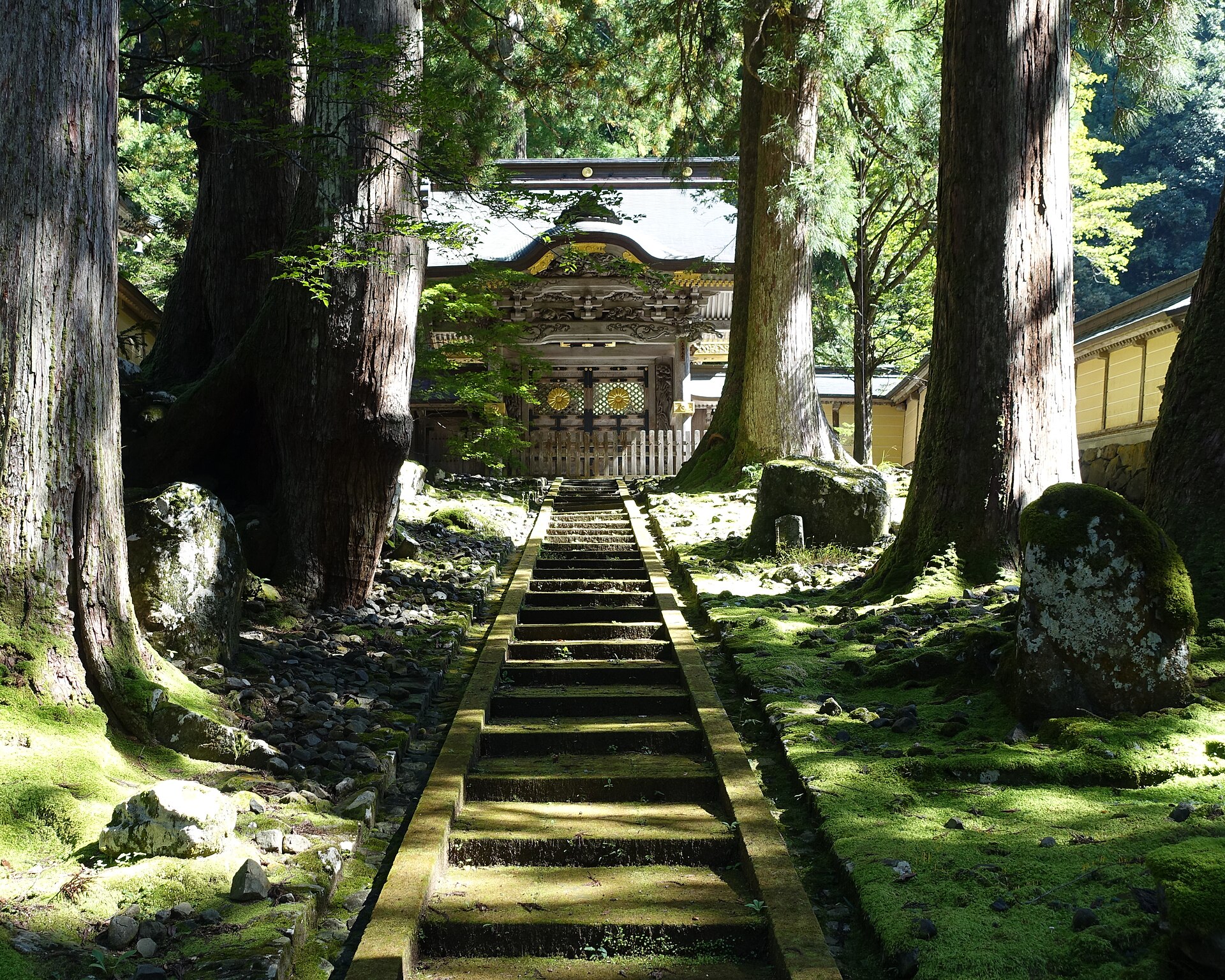
Eiheiji Temple
Little knownEiheiji is a working Zen monastery founded in 1244, where 150-200 monks follow a training schedule unchanged since the E…
 掬茶 / CC BY-SA 4.0
Ichijodani Asakura Clan Ruins
Little knownIchijodani (一乗谷) was the castle town of the Asakura clan, who ruled Echizen Province (now Fukui) for 103 years (1471–157…
 shikabane taro / CC BY 3.0
Maruoka Castle
Little knownMaruoka Castle (丸岡城) possesses the oldest surviving castle keep (tenshu) in Japan, constructed in 1576 — a claim dispute…
More in Fukui
 Motokoka / CC BY-SA 4.0
Uriwari Falls
Little knownThe name means the melon splitter, from a story that the water was so cold that a melon left in it cracked. It comes out…
 藤谷良秀(Yoshihide Fujitani) / CC BY-SA 4.0
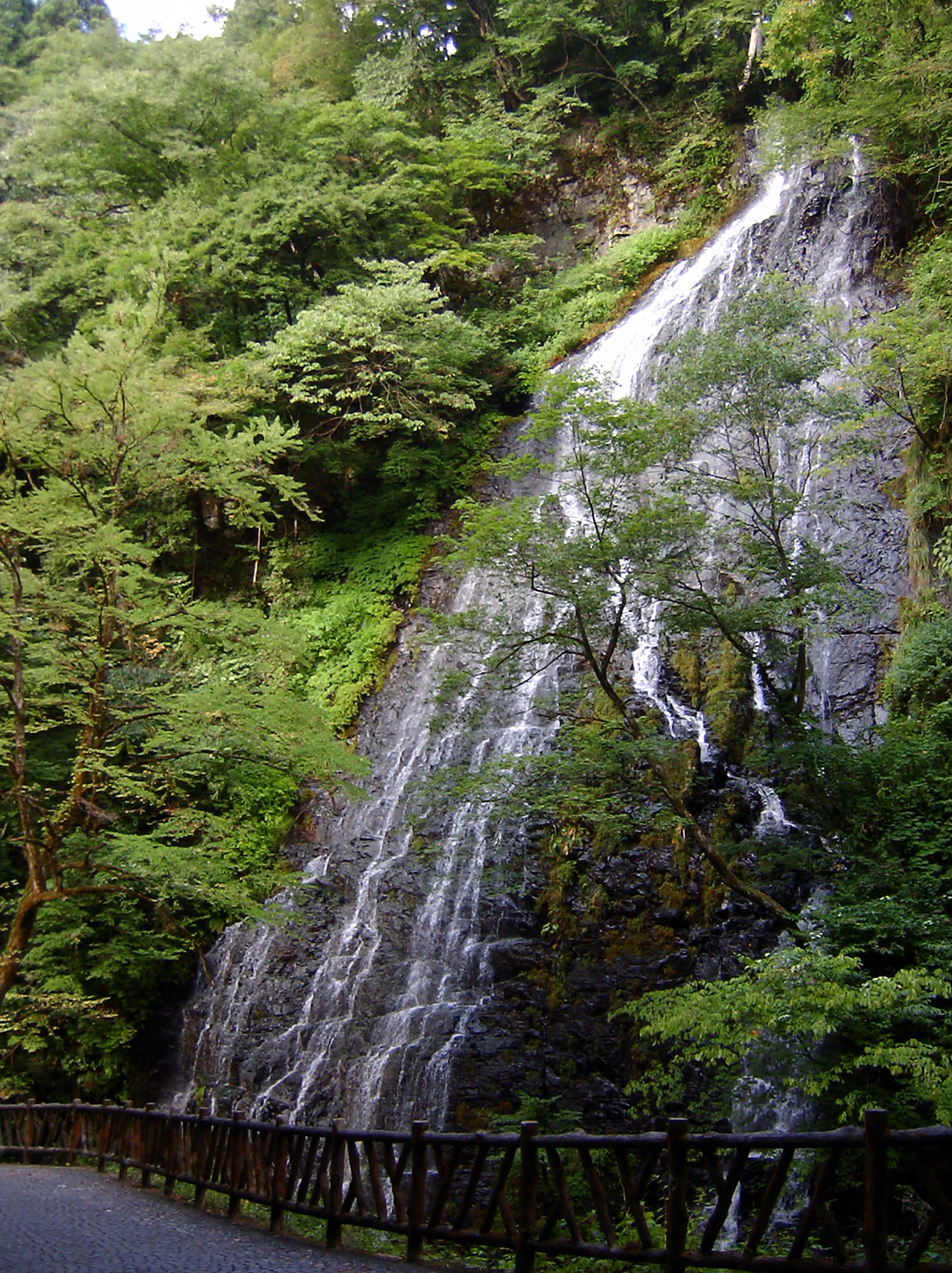
Ryusogataki Falls
Little knownSixty metres of water down a rock face in a narrow valley in Ikeda, one of the least populated municipalities in Fukui,…
Echizen Daffodils
Little knownOne of the three great wild daffodil grounds in Japan is on the cliffs of the Echizen coast, and it flowers in December…