
Senso-ji Temple
Researched and written by Hinato
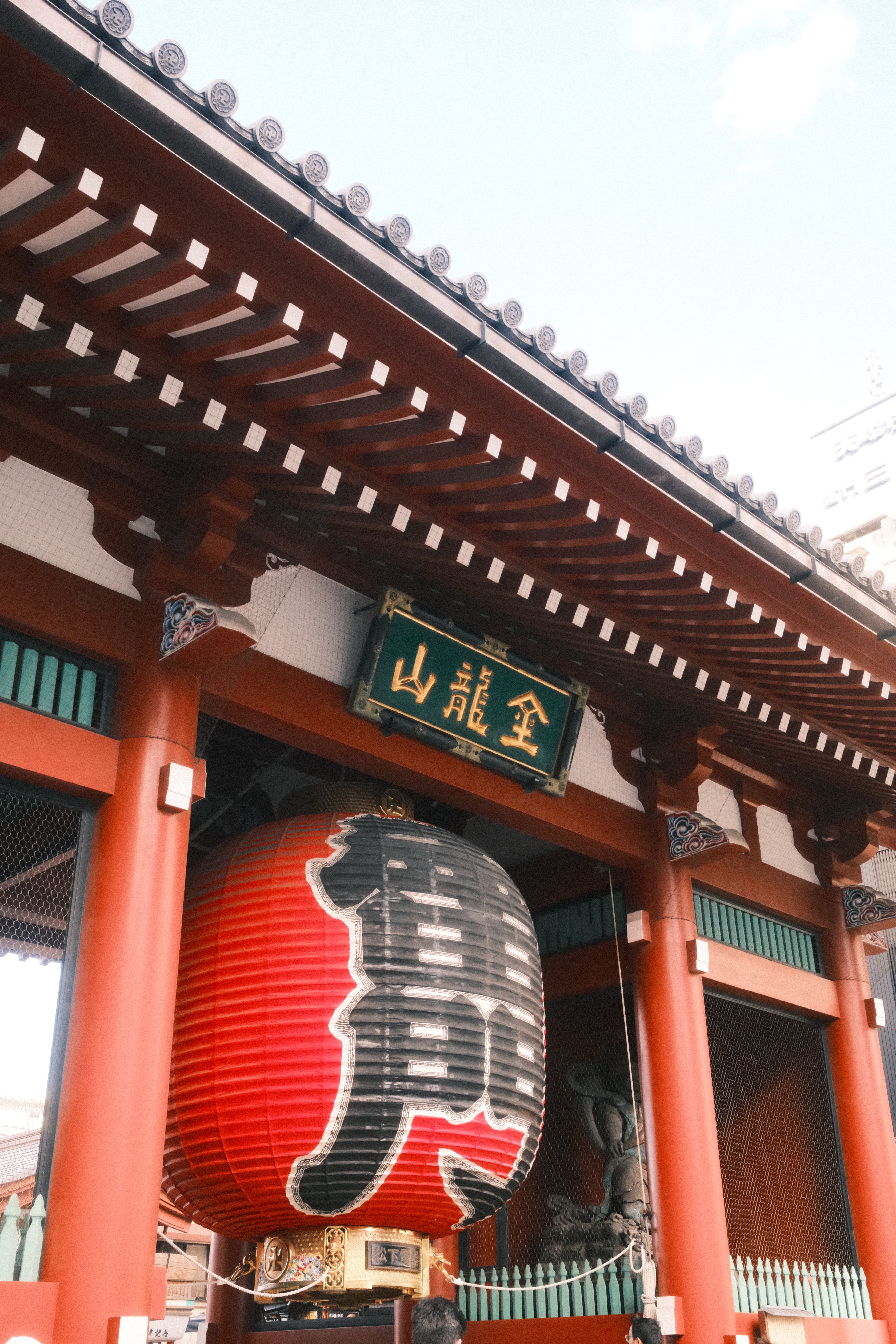
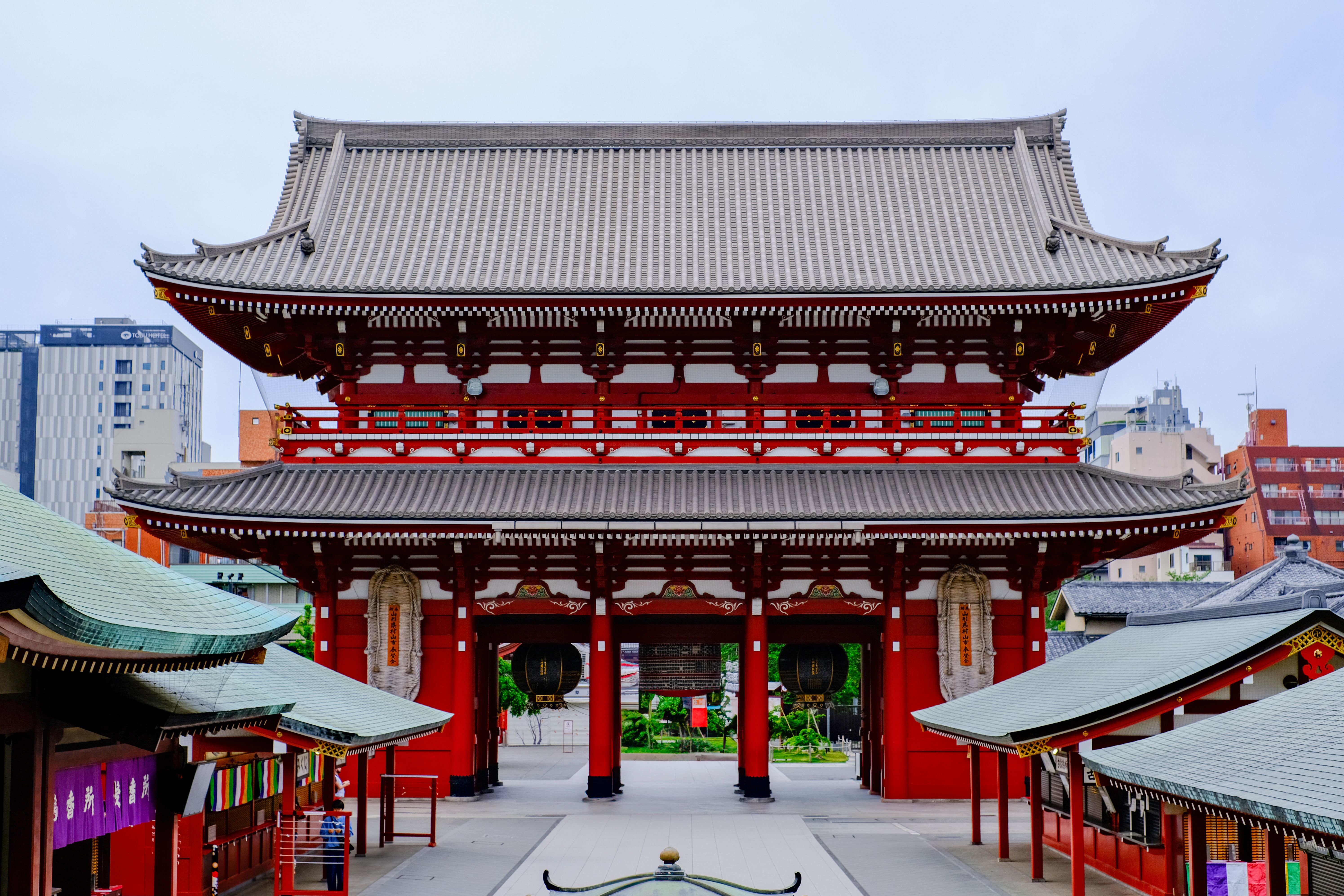
Tokyo has no shortage of temples and shrines, but Senso-ji Temple is the one worth setting aside real time for.
Senso-ji (浅草寺) is Tokyo's oldest and most significant Buddhist temple, founded in 645 AD after two fishermen discovered a golden statue of Kannon (Goddess of Mercy) in the Sumida River. The temple's approach through Kaminarimon (Thunder Gate, 雷門) with its massive red lantern (4 meters tall, 700kg) and Nakamise shopping street (仲見世, 250m of souvenir stalls) creates Tokyo's most iconic temple experience. The temple's five-story pagoda, main hall (hondo), and incense cauldron embody classical Japanese Buddhist architecture.
The temple grounds are always crowded but remain spiritually significant — locals visit for prayers, omikuji (fortune slips), and seasonal festivals. The area retains Edo-period charm with traditional shops, rickshaws, and kimono-clad visitors, creating a photogenic time capsule in modern Tokyo.
What this page is actually for
Sensoji has no admission and no closing gate on the main approach, which makes most published advice about it fairly thin: you can go at any hour, and the difference between them is the number of people on Nakamise-dori.
Our contribution is the surrounding neighbourhood rather than the temple. East Tokyo, across the river and north of the tourist track, holds a long list of places that go almost entirely uncovered in English. The nearest are below.
Nobody else is going here
Everyone within a mile of Senso-ji Temple is going to Senso-ji Temple. Here are 4 places within 24km of it that almost nobody writes about — straight-line distances from our own catalogue, not travel times.
- Urayasu Edo-Style BathhouseLittle known~12 km away · Chiba
Before Urayasu became synonymous with Disney, it was a fishing village on the edge of Edo (Tokyo) Bay, and the town's ba…
- Soka Senbei and MatsubaraLittle known~13 km away · Saitama
Soka was the second post station out of Edo on the Nikko highway, and the rice crackers sold to travellers there became…
- Urawa UnagiLittle known~21 km away · Saitama
Urawa (now part of Saitama City) has served as a freshwater eel capital since the Edo period when the Shiba River and su…
- Fujiko F Fujio MuseumLittle known~24 km away · Kanagawa
The Fujiko F Fujio Museum (藤子・F・不二雄ミュージアム) celebrates the work of manga artist Fujiko F Fujio, creator of Doraemon — Jap…
Before you go
Opening hours
Main hall: 6:00 AM – 5:00 PM (Oct-Mar 6:30 AM – 5:00 PM)
Closed: Open year-round
Admission
Free
Best time to visit
Year-round (Late March-early April for cherry blossoms)
Time to allow
1-1.5 hours
Access route
Directions
Access in depth
Nearest Station
Asakusa Station (Ginza/Asakusa/Tobu Lines) - 5 min walk
Travel Time
From Tokyo Station: 20 min via Metro | From Narita Airport: 60 min via Keisei Skyliner + Metro
How to Get There
Train: Take Ginza Line to Asakusa Station (Exit 1), or Asakusa Line to Asakusa Station (Exit A4). 5-minute walk to Kaminarimon Gate. Water bus: Sumida River cruise from Odaiba/Hamarikyu stops at Asakusa Pier (¥1,000-1,500, scenic 40-min ride). Bus: Toei bus routes stop near Kaminarimon. Taxi: 15 min from Tokyo Station (¥2,000-3,000).
Best Time to Visit
Early morning (6:00-7:30 AM) before Nakamise shops open for spiritual solitude. Sunset (4-6 PM) for golden light on pagoda. Weekday mornings quieter than weekends.
Crowd Avoidance Tips
Avoid weekends 11 AM-4 PM when tour groups peak. Golden Week (late April-early May) and New Year (Jan 1-3) see massive crowds. Cherry blossom season (late March-early April) triples normal traffic. Arrive at temple opening (6:00 AM) or after 5 PM for minimal crowds.
Parking Information
No dedicated parking. Nearby coin parking: ¥300-400/30 min. Public transport strongly recommended due to narrow streets and heavy pedestrian traffic.
Visiting etiquette & tips
Book Your Stay Nearby
Find accommodation close to Senso-ji Temple on these trusted booking platforms:
Nearby Spots
The closest hidden gems to Senso-ji Temple, by straight-line distance.
 Nesnad / CC BY 3.0
Tokyo Yakatabune
Well knownYakatabune (屋形船) are low-slung wooden boats with tatami floors and sliding paper windows that have been hauling partying…
 Illustration — not a photograph
Tokyo Skytree
FamousTokyo Skytree punches through the skyline at 634 meters (2,080 feet) — the tallest tower on the planet, though locals wi…
 くろふね / CC BY 3.0
Ueno Park
FamousUeno Park (上野恩賜公園, Ueno Onshi Koen) is Tokyo's largest public park (133 acres), housing five major museums, a zoo, shrin…
 nakashi from Chofu, Tokyo, JAPAN / CC BY-SA 2.0
Akihabara Electric Town
FamousAkihabara (秋葉原, often shortened to 'Akiba') is Tokyo's electronics and otaku (geek) culture district, a dense 500-meter…
Tokyo Sushi
Well knownEdomae sushi (江戸前鮨) developed in the 1800s in Tokyo (then called Edo) as fast food for workers — rice and fish pressed t…
 片割れ靴下 (unpaired sock) / CC BY-SA 4.0
Ginza Shopping District
FamousGinza (銀座, 'silver mint') is Tokyo's premier luxury shopping district, an 8-block grid of flagship stores, department st…
More in Tokyo
 kanesue / CC BY 3.0
Tokyo Metropolitan Building
FamousThe Tokyo Metropolitan Government Building (東京都庁, Tocho) has twin towers rising 243 meters, each with a free observation…
 Illustration — not a photograph
Takeshita Street
FamousTakeshita Street (竹下通り, Takeshita-dori) is a 350-meter pedestrian alley in Harajuku, lined with shops selling kawaii (cu…
 kanesue / CC BY 3.0
Meiji Shrine
FamousMeiji Shrine (明治神宮, Meiji Jingu) is a Shinto shrine dedicated to Emperor Meiji and Empress Shoken, set within 175 acres…