
Ueno Park
Researched and written by Hinato

Photo: くろふね / Wikimedia Commons (CC BY 3.0) · original
A visit to Ueno Park is easy to underplan — bring more time, and less certainty about what you'll find, than you'd expect.
Ueno Park (上野恩賜公園, Ueno Onshi Koen) is Tokyo's largest public park (133 acres), housing five major museums, a zoo, shrines, and 1,000+ cherry trees that make it Tokyo's most popular hanami (cherry blossom viewing) spot. The park's museums — Tokyo National Museum (東京国立博物館, Japan's oldest and largest museum), National Museum of Western Art (西洋美術館, UNESCO World Heritage Le Corbusier building), and National Museum of Nature and Science — make Ueno Tokyo's cultural heart.
The park's cherry trees (mostly Somei Yoshino) line a 500-meter path from the main entrance to Shinobazu Pond, creating a tunnel of blossoms. During bloom season (late March-early April), the park attracts 3 million visitors in one week for hanami parties — picnicking under cherry trees with food, drinks, and celebrations. The combination of museums, zoo, and natural beauty makes Ueno Tokyo's most diverse single destination.
Our angle on Ueno Park
Nobody else is going here
Everyone within a mile of Ueno Park is going to Ueno Park. Here are 4 places within 22km of it that almost nobody writes about — straight-line distances from our own catalogue, not travel times.
- Urayasu Edo-Style BathhouseLittle known~13 km away · Chiba
Before Urayasu became synonymous with Disney, it was a fishing village on the edge of Edo (Tokyo) Bay, and the town's ba…
- Soka Senbei and MatsubaraLittle known~14 km away · Saitama
Soka was the second post station out of Edo on the Nikko highway, and the rice crackers sold to travellers there became…
- Urawa UnagiLittle known~19 km away · Saitama
Urawa (now part of Saitama City) has served as a freshwater eel capital since the Edo period when the Shiba River and su…
- Fujiko F Fujio MuseumLittle known~22 km away · Kanagawa
The Fujiko F Fujio Museum (藤子・F・不二雄ミュージアム) celebrates the work of manga artist Fujiko F Fujio, creator of Doraemon — Jap…
What to know before you go
Access hours
Park: Open 24/7
Closed: Museums and Zoo: Closed Mondays (if holiday, closed following Tuesday)
When to go
Late March–early April (1,000+ cherry trees, hanami parties) | Year-round for museums
Fee
Park: Free | Tokyo National Museum: ¥1,000 | National Museum of Western Art: ¥500 | Ueno Zoo: ¥600
Time to allow
2-4 hours (park walk + 1-2 museums)
Making the trip
Directions
What to bring
Nearby Spots
The closest hidden gems to Ueno Park, by straight-line distance.
 nakashi from Chofu, Tokyo, JAPAN / CC BY-SA 2.0
Akihabara Electric Town
FamousAkihabara (秋葉原, often shortened to 'Akiba') is Tokyo's electronics and otaku (geek) culture district, a dense 500-meter…
 Nesnad / CC BY 3.0
Tokyo Yakatabune
Well knownYakatabune (屋形船) are low-slung wooden boats with tatami floors and sliding paper windows that have been hauling partying…
 Pexels
Senso-ji Temple
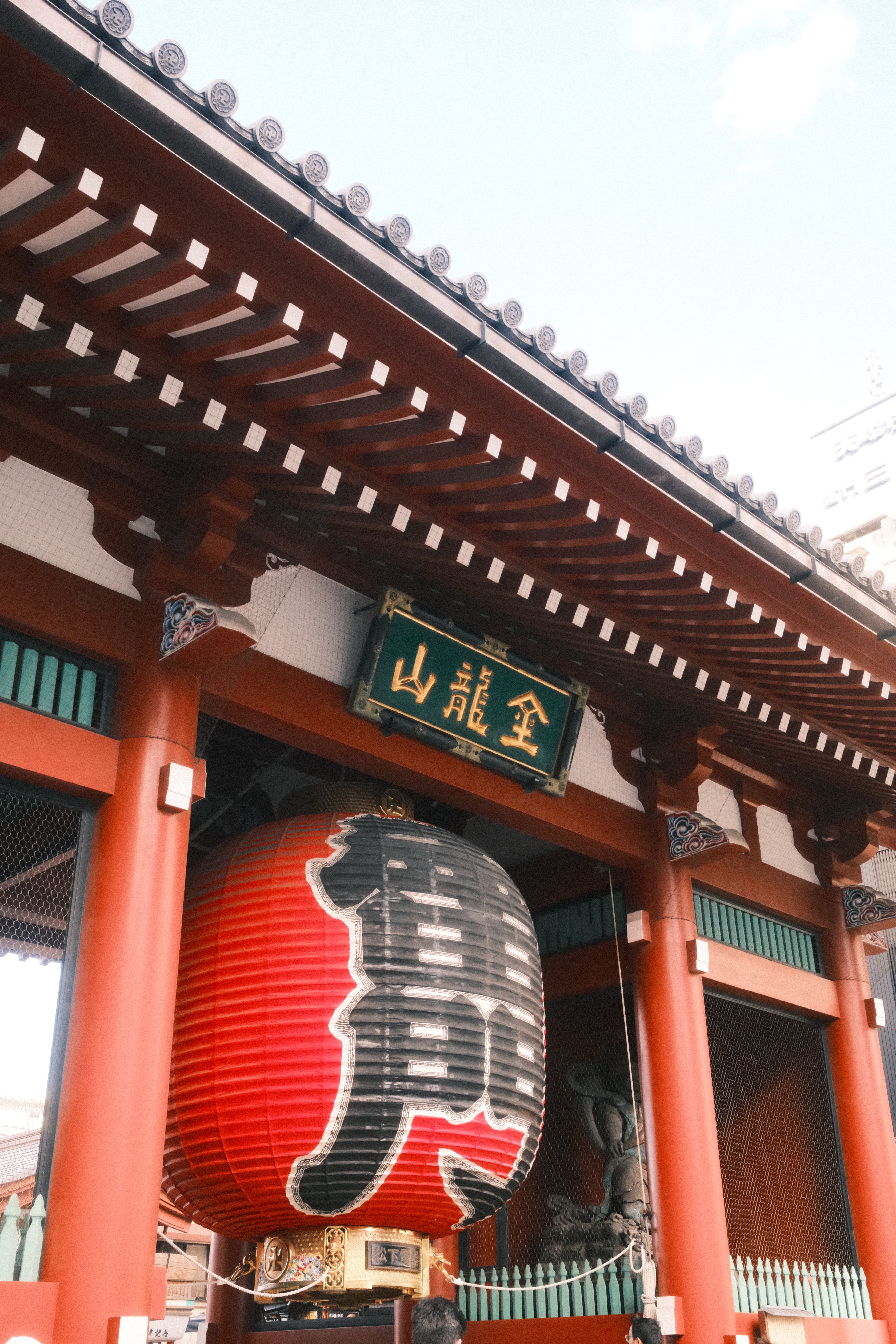
FamousSenso-ji (浅草寺) is Tokyo's oldest and most significant Buddhist temple, founded in 645 AD after two fishermen discovered…
 Illustration — not a photograph
Tokyo Skytree
FamousTokyo Skytree punches through the skyline at 634 meters (2,080 feet) — the tallest tower on the planet, though locals wi…
Tokyo Sushi
Well knownEdomae sushi (江戸前鮨) developed in the 1800s in Tokyo (then called Edo) as fast food for workers — rice and fish pressed t…
 片割れ靴下 (unpaired sock) / CC BY-SA 4.0
Ginza Shopping District
FamousGinza (銀座, 'silver mint') is Tokyo's premier luxury shopping district, an 8-block grid of flagship stores, department st…
More in Tokyo
 Yoshio Kohara / CC BY 3.0
Odaiba Seaside Park
Well knownOdaiba (お台場) is a man-made island in Tokyo Bay, developed in the 1990s-2000s as a futuristic entertainment district with…
Tokyo Izakaya Culture
FamousIzakaya (居酒屋) are Japanese gastropubs — casual drinking establishments serving small plates (yakitori, edamame, fried ch…
 Creative Monkey / CC BY 3.0
Yoyogi Park
Well knownYoyogi Park (代々木公園) is Tokyo's fifth-largest park (134 acres) and the city's most socially active green space. The park'…