
Meiji Shrine
Researched and written by Hinato

Photo: kanesue / Wikimedia Commons (CC BY 3.0) · original
Ask where to send a first-time visitor for a temple or shrine in Tokyo, and Meiji Shrine comes up more than once.
Meiji Shrine (明治神宮, Meiji Jingu) is a Shinto shrine dedicated to Emperor Meiji and Empress Shoken, set within 175 acres of forested sanctuary in central Tokyo. The shrine was completed in 1920, destroyed in WWII, and rebuilt in 1958. The approach to the shrine is a short walk through towering trees (70,000 trees from across Japan, all donated and planted during the shrine's original construction), creating a transition from urban Tokyo to sacred forest space.
The shrine's main hall (honden) is built in traditional nagare-zukuri style with cypress wood and copper roofing. The massive torii gate at the entrance — made from 1,500-year-old cypress trees — is one of Japan's largest. Meiji Shrine is Tokyo's premier spot for traditional Shinto weddings (20-30 ceremonies on weekends), and visitors often witness bridal processions in white shiromuku kimono.
Our angle on Meiji Shrine
Nobody else is going here
Everyone within a mile of Meiji Shrine is going to Meiji Shrine. Here are 4 places within 21km of it that almost nobody writes about — straight-line distances from our own catalogue, not travel times.
- Fujiko F Fujio MuseumLittle known~14 km away · Kanagawa
The Fujiko F Fujio Museum (藤子・F・不二雄ミュージアム) celebrates the work of manga artist Fujiko F Fujio, creator of Doraemon — Jap…
- Urayasu Edo-Style BathhouseLittle known~18 km away · Chiba
Before Urayasu became synonymous with Disney, it was a fishing village on the edge of Edo (Tokyo) Bay, and the town's ba…
- Shin-Yokohama Ramen MuseumLocally known~20 km away · Kanagawa
The Shin-Yokohama Ramen Museum (新横浜ラーメン博物館) is part food court, part cultural museum — a basement complex recreating 195…
- Soka Senbei and MatsubaraLittle known~20 km away · Saitama
Soka was the second post station out of Edo on the Nikko highway, and the rice crackers sold to travellers there became…
Visiting essentials
Best time to visit
Spring (cherry blossoms) | June (iris garden, 150 varieties) | Early morning year-round for solitude
Hours
Varies by venue — confirm before visiting
Closed: Open year-round
Admission
Free | Inner Garden (御苑 Gyoen): ¥500
Time to allow
30-60 minutes (90 minutes including Inner Garden)
Finding your way there
Directions
Visiting etiquette & tips
Nearby Spots
The closest hidden gems to Meiji Shrine, by straight-line distance.
 Creative Monkey / CC BY 3.0
Yoyogi Park
Well knownYoyogi Park (代々木公園) is Tokyo's fifth-largest park (134 acres) and the city's most socially active green space. The park'…
Tokyo Ramen
Well knownTokyo-style ramen (東京ラーメン) is characterized by shoyu (soy sauce) broth — clear, savory, and balanced — served with mediu…
Tokyo Coffee Culture
Well knownTokyo's coffee culture has evolved from 1970s kissaten (喫茶店, retro cafes) to 2000s-2010s third-wave specialty coffee — s…
 Illustration — not a photograph
Takeshita Street
FamousTakeshita Street (竹下通り, Takeshita-dori) is a 350-meter pedestrian alley in Harajuku, lined with shops selling kawaii (cu…
 江戸村のとくぞう / CC BY-SA 4.0
Shibuya Parco
FamousShibuya Parco (渋谷パルコ) is a 10-floor fashion and culture complex rebuilt in 2019, blending streetwear boutiques, art gall…
 kanesue / CC BY 3.0
Tokyo Metropolitan Building
FamousThe Tokyo Metropolitan Government Building (東京都庁, Tocho) has twin towers rising 243 meters, each with a free observation…
More in Tokyo
 Basile Morin / CC BY-SA 4.0
Shinjuku Kabukicho
FamousKabukicho (歌舞伎町) is Tokyo's largest entertainment and red-light district, a neon-soaked maze of narrow alleys packed wit…
 Pexels
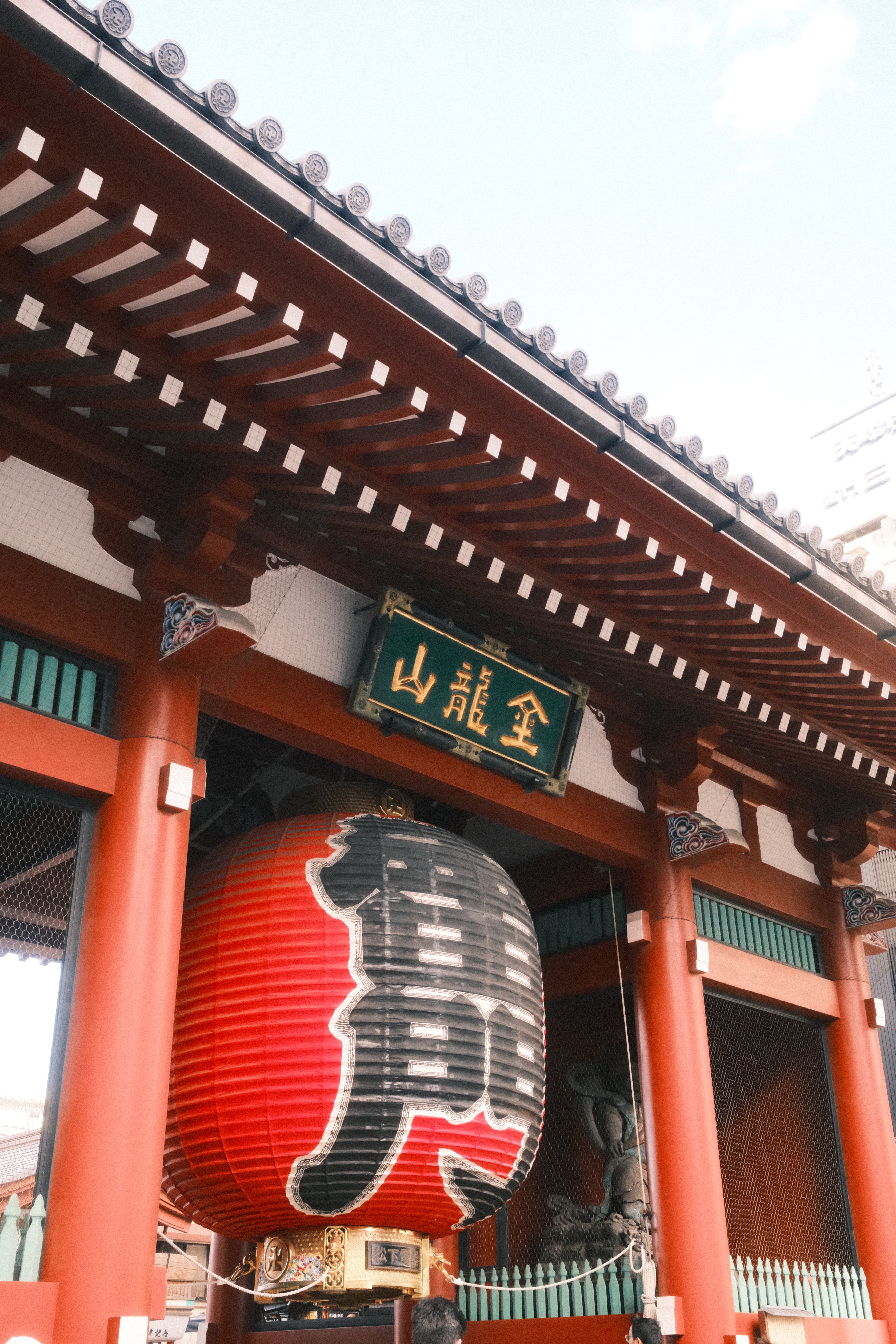
Senso-ji Temple
FamousSenso-ji (浅草寺) is Tokyo's oldest and most significant Buddhist temple, founded in 645 AD after two fishermen discovered…
 nakashi from Chofu, Tokyo, JAPAN / CC BY-SA 2.0
Akihabara Electric Town
FamousAkihabara (秋葉原, often shortened to 'Akiba') is Tokyo's electronics and otaku (geek) culture district, a dense 500-meter…