
Top 10 Spots in Tokyo
Tokyo sprawls across 2,194 square kilometers with 38 million people in the metro area — navigating it requires curation. These 10 spots represent Tokyo's defining experiences: Shinto shrines in urban forests, the world's busiest intersection, digital art museums, and nightlife districts that never sleep. Together they form a Tokyo itinerary that balances tradition, technology, and chaos.
City lists invert the geographic rule that governs most of this site. Everywhere else, entries are spread across regions so that a list does not collapse into the three prefectures with the most written about them. Here the concentration is the entire point, and the balancing act moves inside the city instead: ten entries drawn from across Tokyo's very different districts rather than ten variations on the same central experience.
Tokyo is not a city with a centre, and a list that treats it as one produces a bad trip. The selection is therefore built to show that the place is an assembly of districts with genuinely different characters — a shrine inside a forest, a working market, a hyper-commercial crossing, a nightlife quarter, a purpose-built waterfront — because understanding that is more useful to a visitor than any individual entry on the list. Where two candidates were similar in kind, the one that added a district the list did not yet represent won.
Ordering is weighted by how efficiently an entry pays back the time spent getting to it, which in a city this size is the dominant practical variable. Tokyo's rail network makes almost everything reachable and nothing is quick; an entry near a major interchange that can absorb an hour or a whole afternoon ranks above a more singular attraction that costs two train changes and only works as a short visit. Entries that pair naturally with something else nearby rank higher again, because a realistic Tokyo day is two or three of these, not one.
Time of day matters more here than on any other city list, and the entries carry it: several of these are different places at 7am, at midday and at 10pm, and at least one is only itself after dark.
The honest limitation: ten entries out of a metropolitan area of this size is a sampling, not a summary, and it is weighted towards what a visitor with a few days will actually be able to do. Tokyo's residential neighbourhoods, which are where much of the city's character lives, are under-represented by that choice.
Last revised . No visitor numbers, review scores or user votes are used.
Why #1?
The world's busiest intersection defines Tokyo's kinetic energy. 3,000 people cross every 2 minutes.
 Unsplash
Shibuya Scramble Crossing
FamousShibuya Scramble Crossing (渋谷スクランブル交差点) is the world's busiest pedestrian intersection, where up to 3,000 people cross s…
Why #2?
Tokyo's oldest temple (645 AD) with traditional shopping street. The city's most accessible cultural experience.
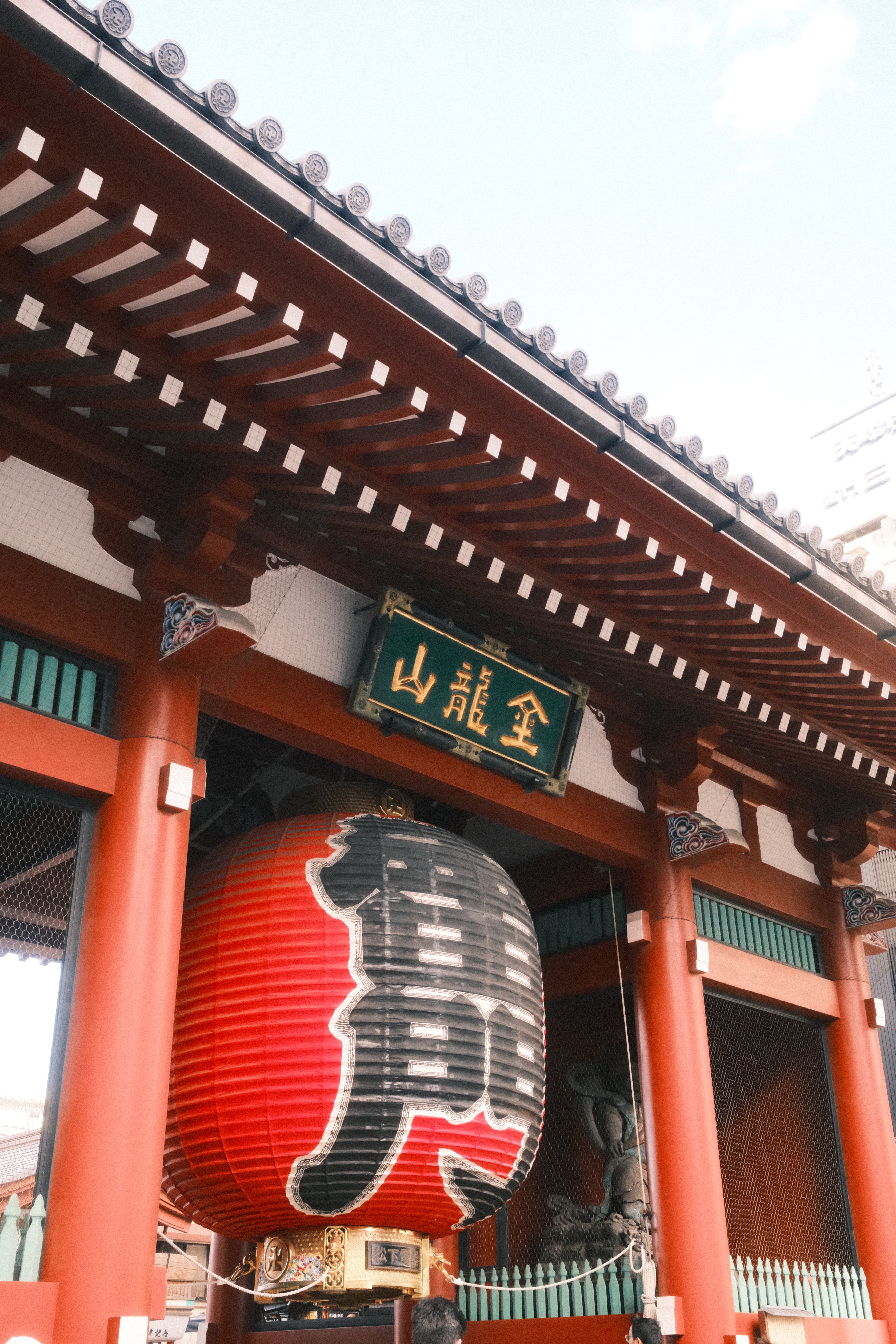 Pexels
Senso-ji Temple
FamousSenso-ji (浅草寺) is Tokyo's oldest and most significant Buddhist temple, founded in 645 AD after two fishermen discovered…
Why #3?
Digital art museum where rooms flow into each other. Book 2-4 weeks in advance for weekday morning slots.
 DannyWithLove / CC BY-SA 4.0
teamLab Borderless
FamousWalking into teamLab Borderless (チームラボボーダレス) feels like stepping through a screen into someone's fever dream. The space…
Why #4?
Ultra-fresh sushi breakfast at 6am and 400+ food vendors. Tokyo's culinary ground zero.
 Christophe95 / CC BY-SA 4.0
Tsukiji Outer Market
FamousTsukiji Outer Market (築地場外市場, Tsukiji Jogai Shijo) is a 300-meter network of alleys and shops selling fresh seafood, pro…
Why #5?
Shinto shrine in 175-acre urban forest. Traditional weddings most weekends, free entry year-round.
 kanesue / CC BY 3.0
Meiji Shrine
FamousMeiji Shrine (明治神宮, Meiji Jingu) is a Shinto shrine dedicated to Emperor Meiji and Empress Shoken, set within 175 acres…
Why #6?
634m tower with observation decks at 350m and 450m. Reserve timed entry tickets to skip 2-hour queues.
 Illustration — not a photograph
Tokyo Skytree
FamousTokyo Skytree punches through the skyline at 634 meters (2,080 feet) — the tallest tower on the planet, though locals wi…
Why #7?
350m of kawaii culture, youth fashion, and crepe stands. Weekends are shoulder-to-shoulder chaos.
 Illustration — not a photograph
Takeshita Street
FamousTakeshita Street (竹下通り, Takeshita-dori) is a 350-meter pedestrian alley in Harajuku, lined with shops selling kawaii (cu…
Why #8?
Tokyo's largest entertainment district with Golden Gai's tiny bars and neon-soaked streets until dawn.
 Basile Morin / CC BY-SA 4.0
Shinjuku Kabukicho
FamousKabukicho (歌舞伎町) is Tokyo's largest entertainment and red-light district, a neon-soaked maze of narrow alleys packed wit…
Why #9?
Otaku mecca with 8-story anime shops, retro video games, maid cafes, and electronics superstores.
 nakashi from Chofu, Tokyo, JAPAN / CC BY-SA 2.0
Akihabara Electric Town
FamousAkihabara (秋葉原, often shortened to 'Akiba') is Tokyo's electronics and otaku (geek) culture district, a dense 500-meter…
Why #10?
Luxury shopping district with flagship stores, 12-story Uniqlo, and weekend pedestrian streets.
 片割れ靴下 (unpaired sock) / CC BY-SA 4.0
Ginza Shopping District
FamousGinza (銀座, 'silver mint') is Tokyo's premier luxury shopping district, an 8-block grid of flagship stores, department st…
Explore More Rankings
Discover other curated lists to plan your perfect Japan itinerary
View All Rankings