
Dewa Sanzan
Researched and written by Hinato

Photo: 掬茶 / Wikimedia Commons (CC BY-SA 4.0) · original
Dewa Sanzan has outlasted the version of Yamagata it was originally built for, and it shows.
Dewa Sanzan (出羽三山, 'Three Mountains of Dewa') comprises Mt. Haguro, Mt. Gassan, and Mt. Yudono — three sacred peaks that have been pilgrimage destinations for Shugendo mountain ascetics (yamabushi) for over 1,400 years. Each mountain represents a stage of spiritual rebirth: Haguro symbolizes birth and the present world, Gassan symbolizes death and the afterlife, and Yudono symbolizes resurrection and the future. The pilgrimage traditionally requires climbing all three mountains over three days, staying in temple lodgings (shukubo) and eating shojin-ryori (Buddhist vegetarian cuisine). Mt. Haguro is the most accessible, featuring a magnificent cedar forest approach and a 600-year-old Five-Story Pagoda (National Treasure) at the base of 2,446 stone steps leading to the summit shrine. Mt. Gassan (1,984m) is a full-day mountain hike requiring stamina, open only July-September due to snow. Mt. Yudono is considered the most sacred — photography is prohibited at the inner sanctum, and visitors must remove shoes to walk barefoot on a sacred red rock formation washed by a hot spring stream.
Visiting essentials
How long to allow
Half day for Mt. Haguro alone (2.5–3 hours); full day for two mountains; three days for the complete Dewa Sanzan pilgrimage
Best season
July–September for all three mountains accessible together; October for Mt. Haguro autumn foliage; winter for solitary Mt. Haguro pilgrimage (steps may be icy)
Hours
Mt. Haguro stone steps: 9:00 AM – 5:00 PM year-round | Mt. Gassan: open July 1–September 30 only | Mt. Yudono: May–November
Closed: Mt. Haguro: open daily | Mt. Gassan: closed October–June (heavy snow) | Mt. Yudono: closed December–April
Admission
Mt. Haguro summit shrine: ¥300 | Mt. Gassan summit shrine: ¥500 | Mt. Yudono: ¥500 | Shukubo temple lodging: ¥7,000–9,000/night including meals
Access route
Directions
Beyond the guidebook
Nearby Spots
The closest hidden gems to Dewa Sanzan, by straight-line distance.
Mt. Haguro Five-Story Pagoda
Locally knownThe Mt. Haguro Five-Story Pagoda is a 29-meter tall wooden pagoda standing in a primeval cedar forest, considered one of…
 ブルーノ・プラス / CC BY 4.0
Mogami River Boat Ride
Little knownThe Mogami River is one of Japan's three most rapid rivers, flowing 224km from the mountains of southern Yamagata to the…
 Raita Futo from Tokyo, Japan / CC BY 2.0
Gassan Ski Resort
Little knownMt. Gassan (月山, Moon Mountain, 1,984m) is one of the three sacred mountains of Dewa Sanzan and Japan's only ski resort w…
 Yauchi / CC BY-SA 4.0
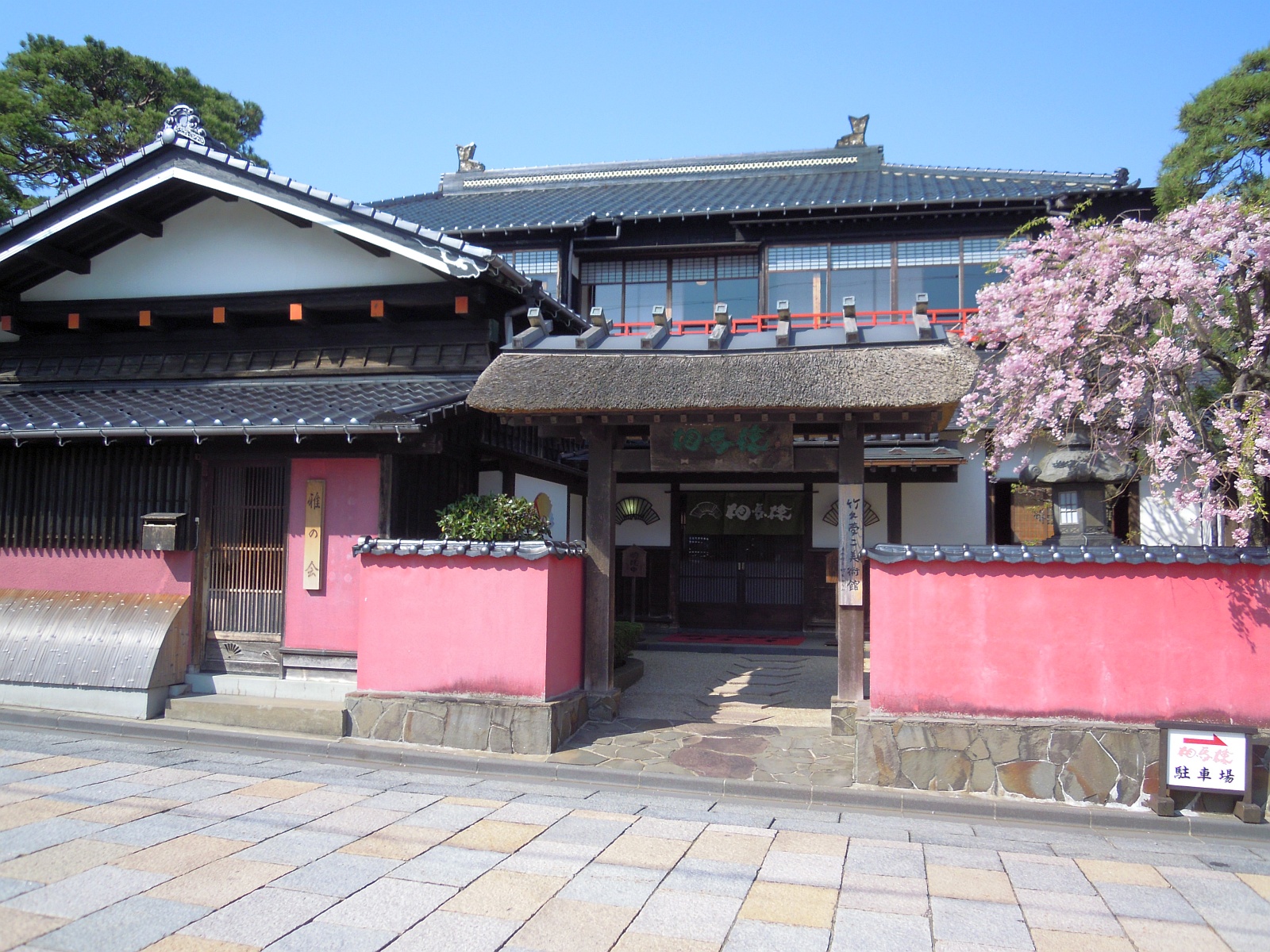
Sakata Somaro
Little knownSomaro (相馬樓) is a beautifully preserved Edo-period geisha house in the port city of Sakata, converted into a cultural mu…
 さかおり / CC BY-SA 4.0
Ginzan Onsen
FamousGinzan Onsen is 300 meters of Taisho-period (1912-1926) wooden ryokan squeezed into a mountain valley, three and four st…
 wataru_95s / CC BY 4.0
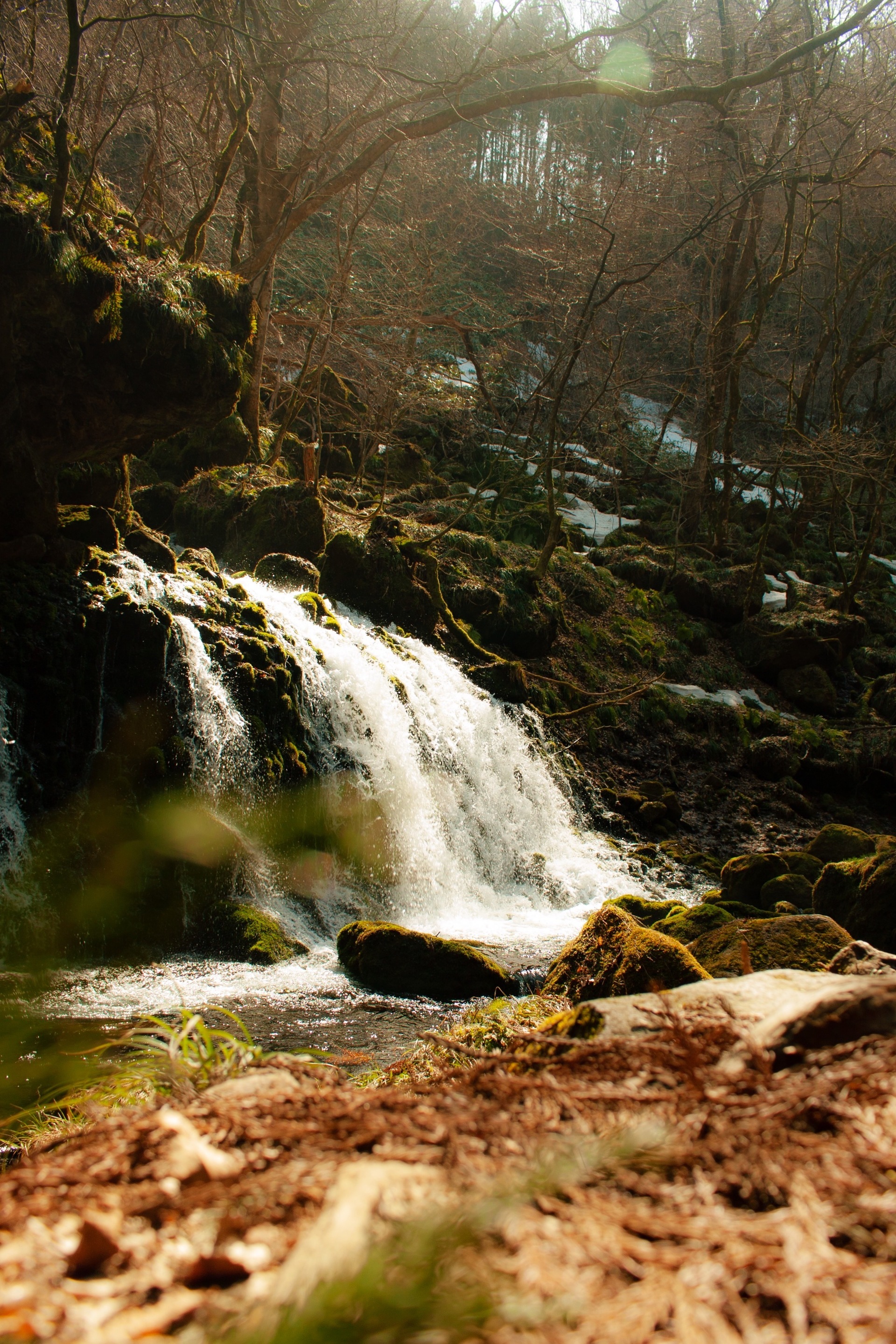
Mototaki Fukuryusui
Little knownRain and snowmelt on Mt. Chokai sink into the volcanic rock, travel underground for decades, and come out here — not ove…
More in Yamagata
Yamagata Hina Dolls
Little knownThe Hina Matsuri (雛祭り, Girls' Day or Doll Festival) on March 3rd is celebrated throughout Japan, but Yamagata takes spec…
Kumano Taisha Shrine
Little knownKumano Taisha is a Shinto shrine founded over 1,200 years ago, famous for its massive thatched roof (茅葺屋根, kayabuki-yane…
 Ippukucho / CC BY 3.0
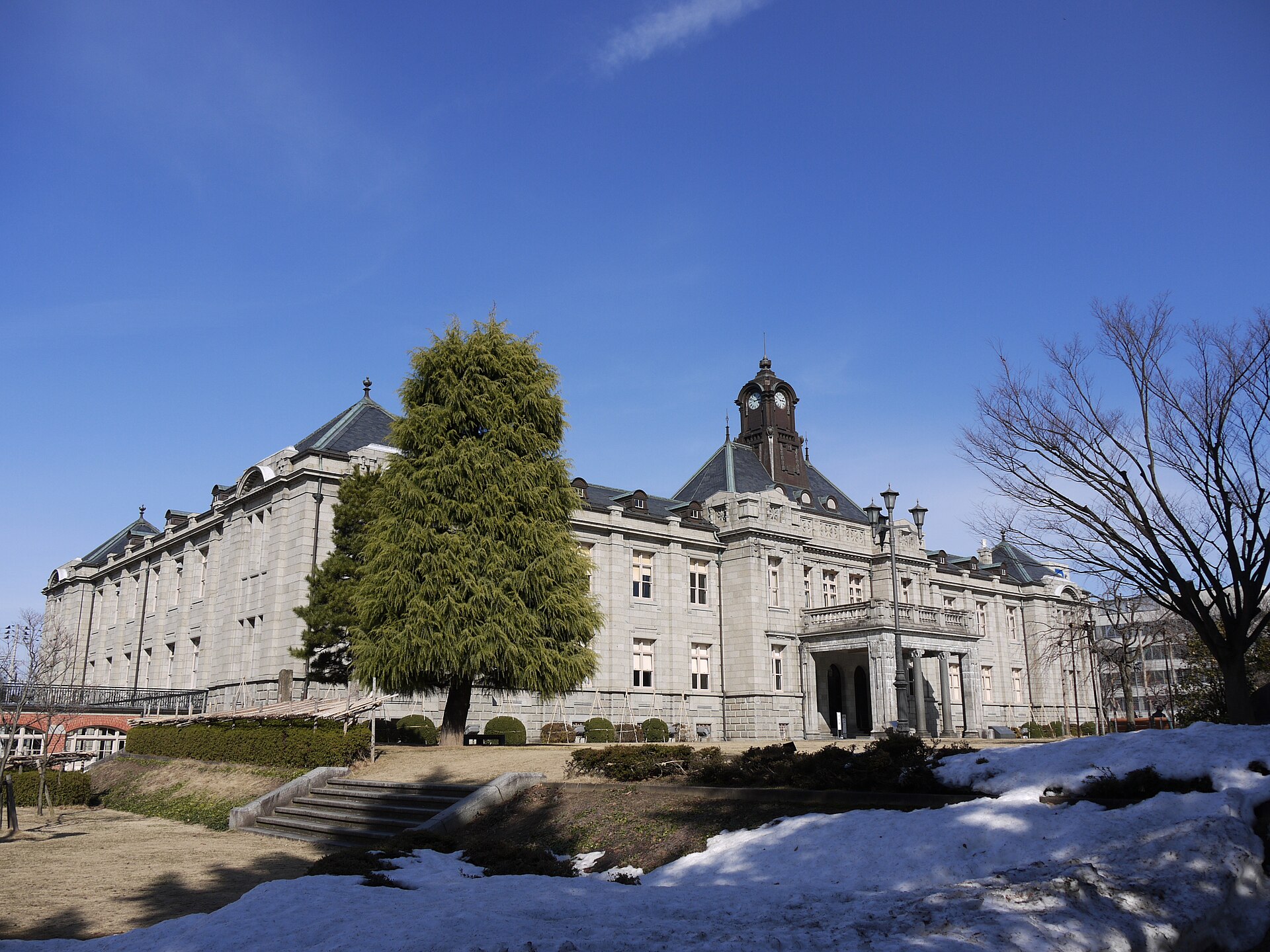
Bunshokan
Little knownThe Bunshokan (文翔館) is a Western-style brick building constructed in 1916 to serve as the Yamagata Prefectural Office an…