
Mogami River Boat Ride
Researched and written by Hinato

Photo: ブルーノ・プラス / Wikimedia Commons (CC BY 4.0) · original
A visit to Mogami River Boat Ride is easy to underplan — bring more time, and less certainty about what you'll find, than you'd expect.
The Mogami River is one of Japan's three most rapid rivers, flowing 224km from the mountains of southern Yamagata to the Sea of Japan. The river historically served as the primary transportation route for rice and safflower shipments from inland Yamagata to the port of Sakata, with wooden boats navigating the rapids and currents. The traditional boat ride (最上川舟下り, Mogamigawa Funakudari) takes modern visitors on a 12km, 60-minute downstream journey through the forested Mogami gorge in flat-bottomed boats piloted by skilled boatmen. During the ride, the boatmen sing traditional work songs (舟歌, funauta) passed down from Edo-period rivermen — melancholy melodies about separation, longing, and the river's moods. The gorge scenery changes with seasons: fresh green in May, autumn colors in October, snow-covered cliffs in winter. Hot amazake (sweet fermented rice drink) is served onboard during cold months.
What to know before you go
Access hours
Departures 9:00 AM – 3:00 PM (multiple daily); check mogamigawa-funakudari.jp for current schedule
Closed: Operates year-round including winter; check for occasional suspension during high-water or storm conditions
When to go
October–November for autumn foliage; December–March for snow scenery and smaller crowds with kotatsu-heated boats
Fee
¥3,000 adults / ¥1,500 elementary school (60-minute downstream ride)
Time to allow
2–2.5 hours total: 60-minute boat ride plus travel to/from departure point
Access route
Directions
Local knowledge
Nearby Spots
The closest hidden gems to Mogami River Boat Ride, by straight-line distance.
Mt. Haguro Five-Story Pagoda
Locally knownThe Mt. Haguro Five-Story Pagoda is a 29-meter tall wooden pagoda standing in a primeval cedar forest, considered one of…
 掬茶 / CC BY-SA 4.0
Dewa Sanzan
Well knownDewa Sanzan (出羽三山, 'Three Mountains of Dewa') comprises Mt. Haguro, Mt. Gassan, and Mt. Yudono — three sacred peaks that…
 Raita Futo from Tokyo, Japan / CC BY 2.0
Gassan Ski Resort
Little knownMt. Gassan (月山, Moon Mountain, 1,984m) is one of the three sacred mountains of Dewa Sanzan and Japan's only ski resort w…
 Yauchi / CC BY-SA 4.0
Sakata Somaro
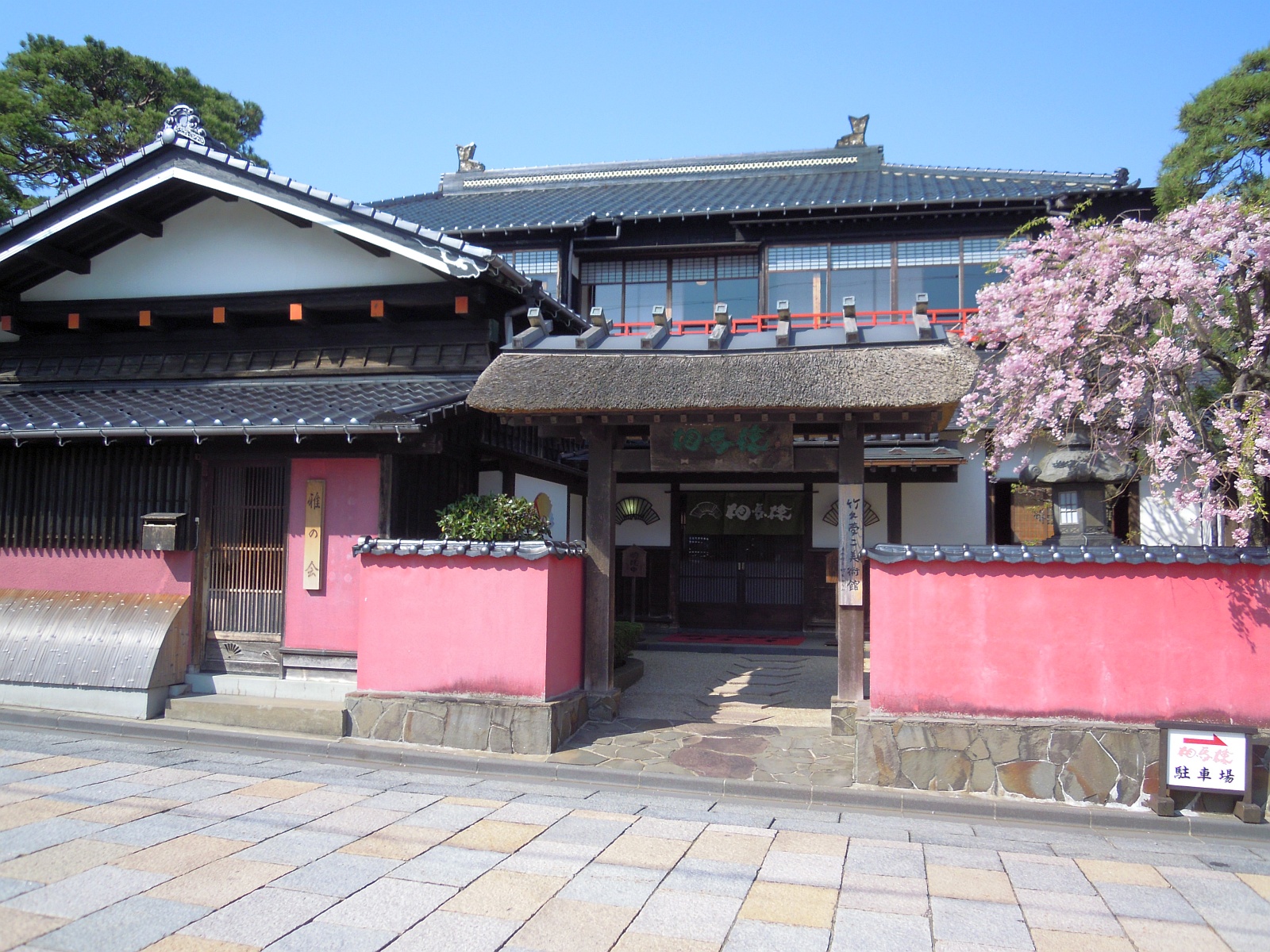
Little knownSomaro (相馬樓) is a beautifully preserved Edo-period geisha house in the port city of Sakata, converted into a cultural mu…
 さかおり / CC BY-SA 4.0
Ginzan Onsen
FamousGinzan Onsen is 300 meters of Taisho-period (1912-1926) wooden ryokan squeezed into a mountain valley, three and four st…
 Gorilla Jones / CC BY-SA 4.0
Tendo Shogi Pieces
Little knownTendo City produces over 90% of Japan's shogi pieces (将棋, Japanese chess), a craft tradition dating to the Edo period wh…
More in Yamagata
 Suz-b / CC BY-SA 3.0
Zao Snow Monsters (Juhyo)
FamousAt 1,600 meters on Mt. Zao, Siberian wind hits moisture from the Sea of Japan and does something strange to the Maries f…
 Qwert1234 / CC BY-SA 4.0
Yamagata Cherries
Little knownYamagata Prefecture produces 70% of Japan's cherry crop, earning its designation as the nation's cherry capital. The sig…
Yamagata Beef
Little knownYamagata beef is one of Japan's elite wagyu brands, produced from Japanese Black cattle raised in Yamagata's clean mount…