
Tendo Shogi Pieces
Researched and written by Hinato

Photo: Gorilla Jones / Wikimedia Commons (CC BY-SA 4.0) · original
Tendo Shogi Pieces has outlasted the version of Yamagata it was originally built for, and it shows.
Tendo City produces over 90% of Japan's shogi pieces (将棋, Japanese chess), a craft tradition dating to the Edo period when low-ranking samurai turned to artisan work after losing stipends. The city's 170 artisans continue to hand-carve shogi pieces from wood (primarily Anemonopsis macrophylla or tsuge boxwood), using lacquer and vermillion to paint the kanji characters. High-grade pieces are masterworks of craftsmanship — the wood is aged 10+ years, carved with precision knives, and the characters are written by calligraphy masters before being filled with lacquer. The Tendo Shogi Museum displays historic sets, demonstrates carving techniques, and sells pieces ranging from ¥3,000 beginner sets to ¥500,000+ masterwork sets used in professional tournaments. The annual Ningen Shogi (人間将棋, 'Human Shogi') festival in late April features a massive outdoor shogi board where people in Sengoku-period armor serve as living game pieces, reenacting famous historical matches.
Visiting essentials
How long to allow
1.5–2 hours for museum and craft district; 3–4 hours if attending Ningen Shogi festival
Best season
Late April for Ningen Shogi (coincides with cherry blossoms at Maizuru Park); year-round for museum and craft shops
Hours
Ningen Shogi festival: 10:00 AM – 4:00 PM (late April, last weekend)
Closed: Museum: closed 3rd Monday of month; Ningen Shogi: held once annually in late April
Admission
Museum: ¥320 | Ningen Shogi festival: free to observe | Carving workshop: ¥2,000 (reservation required)
Reaching the site
Getting there in detail
Historical notes & tips
Nearby Spots
The closest hidden gems to Tendo Shogi Pieces, by straight-line distance.
 Illustration — not a photograph
Yamadera (Risshakuji Temple)
Well knownYamadera hangs on a volcanic cliff north of Yamagata City, its halls and pagodas built directly into the rock face 417 m…
 Ippukucho / CC BY 3.0
Bunshokan
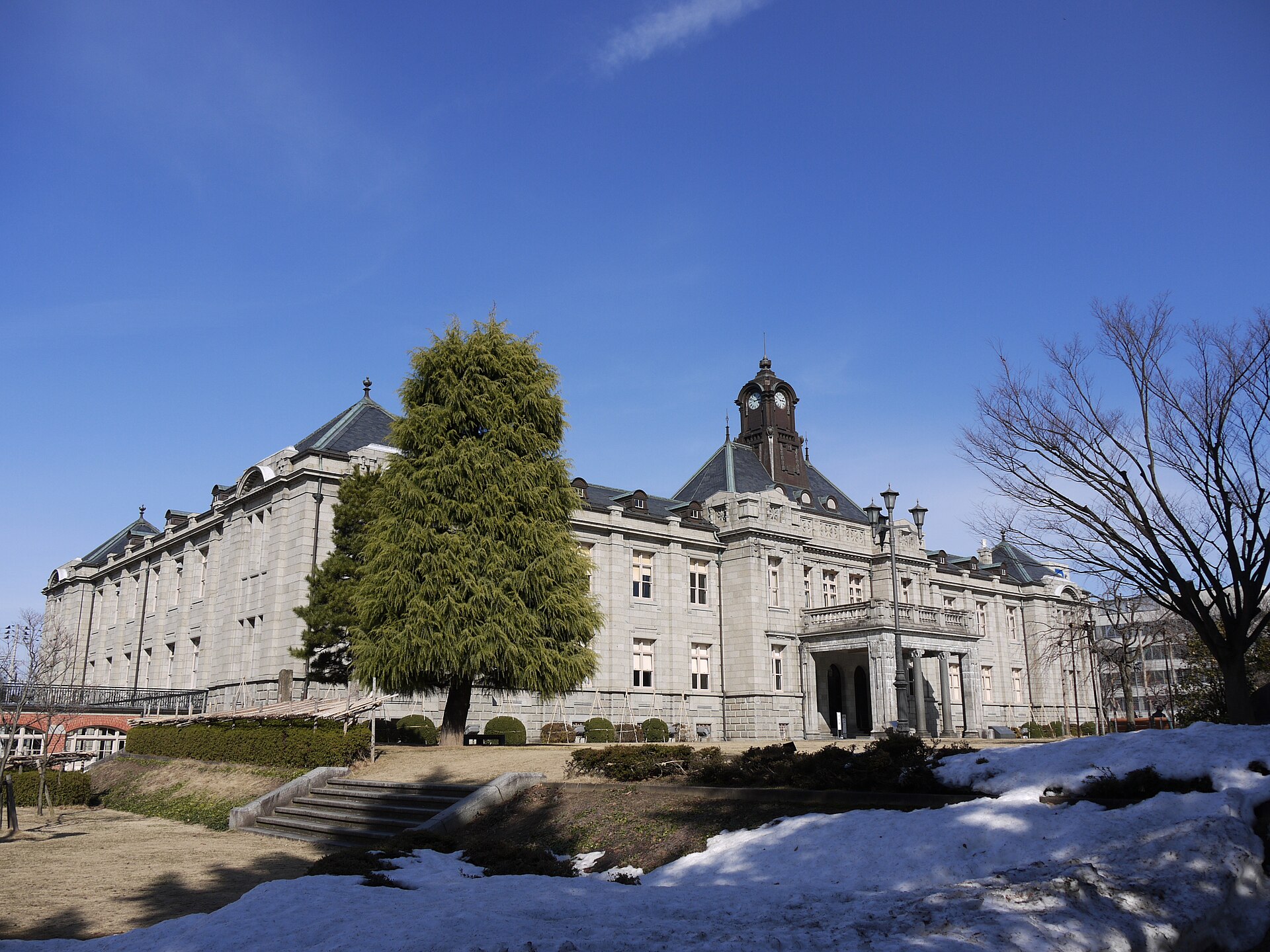
Little knownThe Bunshokan (文翔館) is a Western-style brick building constructed in 1916 to serve as the Yamagata Prefectural Office an…
 Raita Futo from Tokyo, Japan / CC BY 2.0
Kajo Park
Little knownKajo Park occupies the site of Yamagata Castle, once one of the largest feudal castles in the Tohoku region. Built in th…
 Qwert1234 / CC BY-SA 4.0
Yamagata Cherries
Little knownYamagata Prefecture produces 70% of Japan's cherry crop, earning its designation as the nation's cherry capital. The sig…
 U-D.I.E. / CC BY-SA 4.0
Yamagata Imoni
Little knownImoni (芋煮) is Yamagata's signature autumn comfort food — a hot pot stew made with taro root (satoimo), beef, konjac, gre…
Yamagata Hina Dolls
Little knownThe Hina Matsuri (雛祭り, Girls' Day or Doll Festival) on March 3rd is celebrated throughout Japan, but Yamagata takes spec…
More in Yamagata
 663highland / CC BY-SA 4.0
Zao Onsen
Little knownZao Onsen is a high-altitude hot spring village at 880 meters elevation on the slopes of Mt. Zao, one of Japan's oldest…
 Yauchi / CC BY-SA 4.0
Sakata Somaro
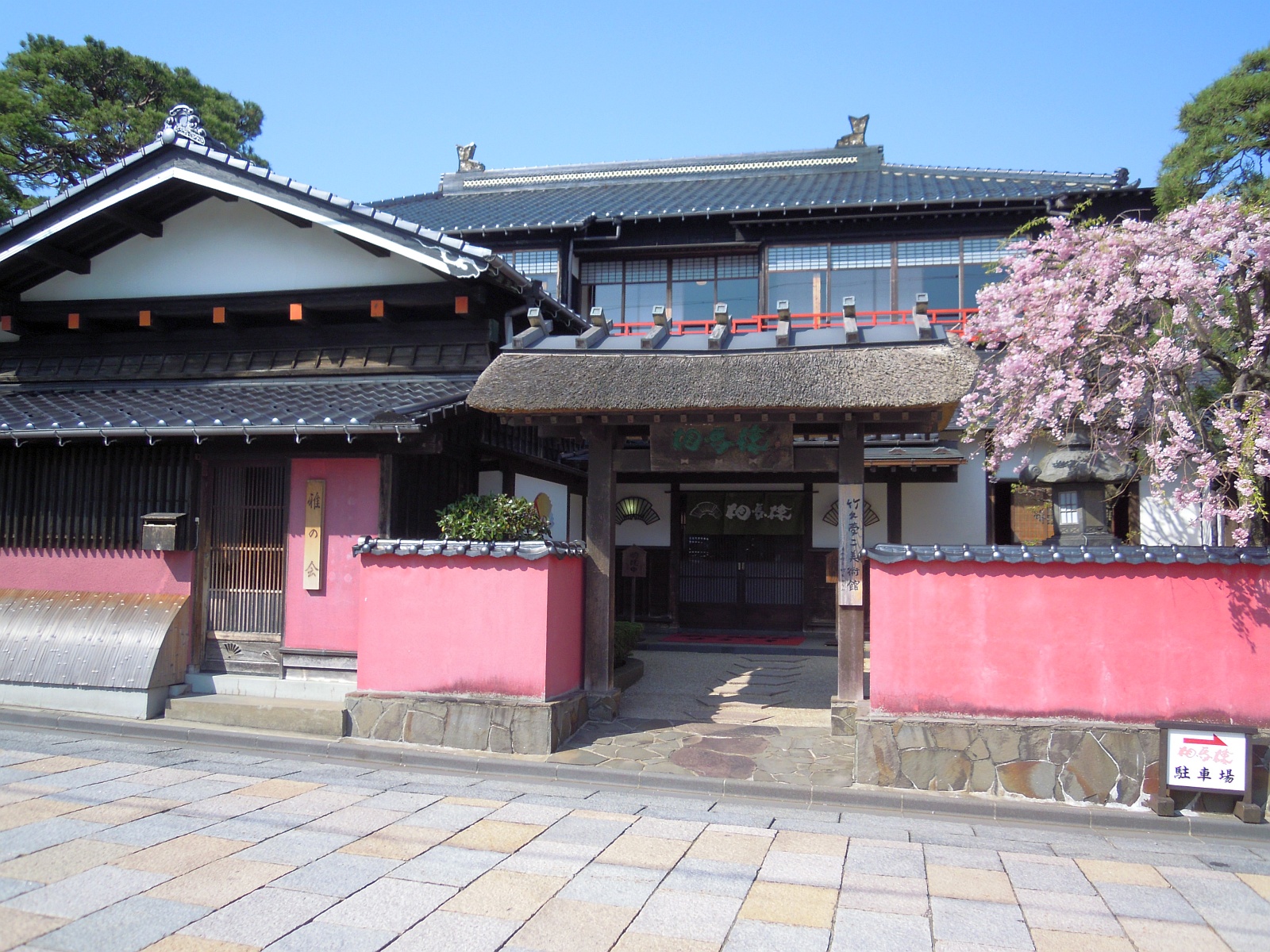
Little knownSomaro (相馬樓) is a beautifully preserved Edo-period geisha house in the port city of Sakata, converted into a cultural mu…
Mt. Haguro Five-Story Pagoda
Locally knownThe Mt. Haguro Five-Story Pagoda is a 29-meter tall wooden pagoda standing in a primeval cedar forest, considered one of…