
Ginzan Onsen
Researched and written by Hinato

Photo: さかおり / Wikimedia Commons (CC BY-SA 4.0) · original
The appeal of Ginzan Onsen isn't the water alone — it's everything built up around the habit of soaking in it.
Ginzan Onsen is 300 meters of Taisho-period (1912-1926) wooden ryokan squeezed into a mountain valley, three and four stories stacked on both banks of the Ginzan River. At dusk the gas lamps light—actual gas, not electric fakes—and if there's snow on the roofs (likely December through March), the scene goes full time-machine. The town was a silver camp until the Edo period (ginzan = silver mountain), then the mines played out and they pivoted to hot springs discovered while digging. Only 12 ryokan exist, plus Shirogane-yu public bath and one cafe. The whole town is walkable in 8 minutes if you don't stop to photograph. You will stop to photograph—this is the onsen town that inspired the bathhouse in Spirited Away, and it looks the part, especially once the day-trippers leave at 6pm and the gas lamps do their work. Overnight stays are the dream (you get the town to yourself after dark), but ryokan book 4-6 months out for winter weekends. Day visitors are tolerated; the town knows it's become an Instagram pilgrimage site and has adjusted.
The silver-mining history is more than a footnote in the name — Ginzan was one of the larger silver-producing sites in the Tohoku region during its peak, and the switch to hot springs after the mines closed followed a pattern common across mountain Japan, where a mining settlement's existing roads, workforce, and buildings got repurposed once the ore ran out rather than the valley being abandoned outright. The current wooden ryokan mostly date to a rebuilding wave after a major flood damaged the original Meiji-era town, which is part of why the architecture reads as a fairly unified Taisho-period style rather than a patchwork of eras. That narrow river gorge setting, with buildings rising directly from both banks and connected by a handful of small bridges, is also what keeps the town so compact and walkable — there's nowhere for it to sprawl, which is exactly why it still looks the way postcards from a century ago suggest a hot spring town should look.
Our angle on Ginzan Onsen
Nobody else is going here
Everyone within a mile of Ginzan Onsen is going to Ginzan Onsen. Here are 4 places within 28km of it that almost nobody writes about — straight-line distances from our own catalogue, not travel times.
- KatanumaLittle known~25 km away · Miyagi
Katanuma is a crater lake above Naruko Onsen and one of the most acidic lakes in Japan — acidic enough that nothing live…
- Naruko Onsen Hot Spring TownLittle known~25 km away · Miyagi
Naruko Onsen has soothed travelers for over 1,000 years, a mountain hot spring town nestled in a volcanic valley where f…
- Tendo Shogi PiecesLittle known~27 km away · Yamagata
Tendo City produces over 90% of Japan's shogi pieces (将棋, Japanese chess), a craft tradition dating to the Edo period wh…
- Narukokyo GorgeLittle known~27 km away · Miyagi
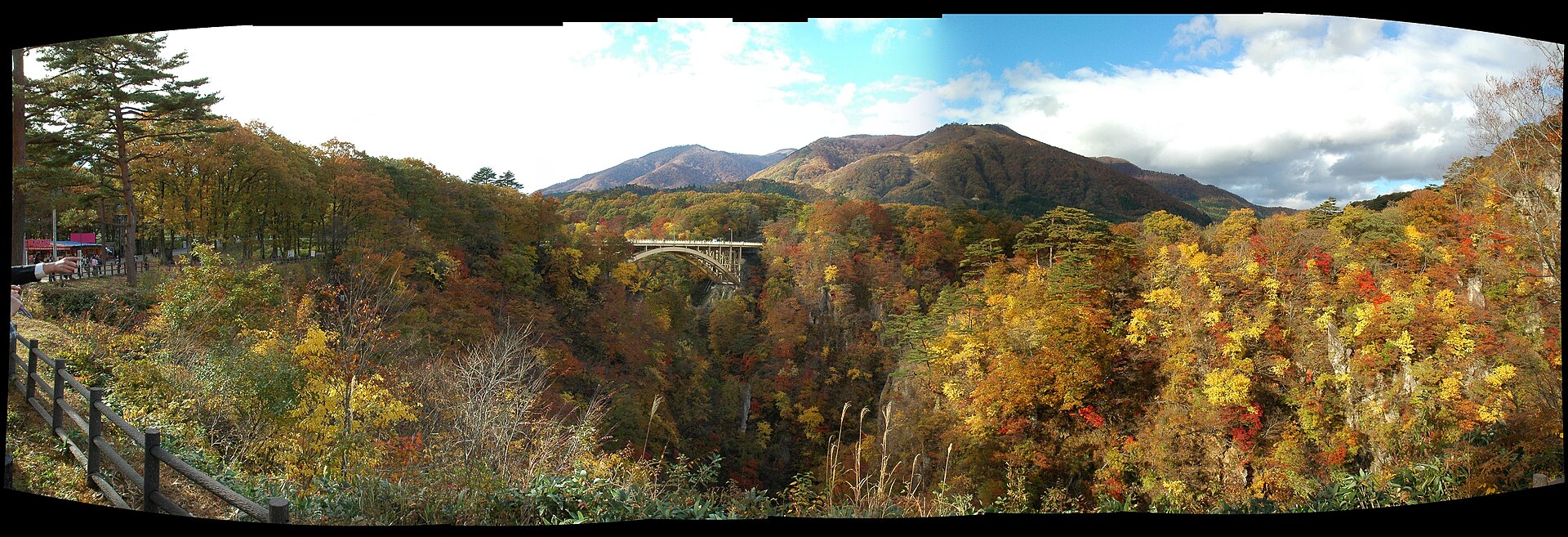
The Otani river has cut a gorge about a hundred metres deep through the volcanic rock west of Naruko Onsen, and the side…
Before you soak
Bathing hours
Town: always accessible | Shirogane-yu public bath: 8:00 AM – 5:00 PM | Free footbath: until 10:00 PM | Gas lamps: 3:30 PM – 10:00 PM | Ryokan check-in: 3:00–5:00 PM
Closed: Shirogane-yu: Mondays and Wednesdays | Town streets: no closure | New Year: most ryokan pause service Jan 1
Bathing fee
Town walking: free | Shirogane-yu public bath: ¥500 | Ryokan overnight: ¥35,000–50,000/person (2 meals included)
Best time to visit
December–February for snow-covered rooftops + gas lamps (peak magic) | March and November for autumn/spring without summer humidity
Time to allow
Day trip: 4–5 hours (11 AM to last bus at 6 PM) | Overnight stay: 16 hours including evening atmosphere, night photography, and morning calm
Access route
Getting there in detail
Detailed access & timing
Nearest Station
Oishida Station (JR Yamagata Shinkansen) — 40-min bus to Ginzan Onsen (reservations required, 5–6 buses daily)
Travel Time
From Tokyo: Yamagata Shinkansen to Oishida (2 hr 20 min) + 40-min bus | From Yamagata: 35-min JR Ou Main Line to Oishida + bus
How to Get There
Bus: From Oishida Station, Obanazawa-shi Community Bus to Ginzan Onsen (40 min, ¥500, 5–6 daily — reservation required in winter, call the bus company). Car: Route 13 north from Yamagata to Obanazawa City, then Route 347 east (total 50 min from Yamagata). Private cars prohibited in town center — park at lot 300m outside and walk. Taxi: Oishida Station to Ginzan Onsen approx ¥5,000 one-way.
Best Time to Visit
After 6:00 PM when day-trippers leave — gas lamps glow and town empties. Blue hour (30 min after sunset) for photography. Overnight guests experience pre-dawn silence at 5:00–6:00 AM.
Crowd Avoidance Tips
Day-trippers flood the town 11 AM–5 PM. Overnight guests have exclusive access to the town after 6 PM. Winter weekends book out 5–6 months ahead for top ryokan. Check for cancellations 30 days before your visit.
Parking Information
Town center: no private cars allowed. Park at the designated lot 300m outside town (free). Walk in via the riverside path. Winter: lot may require snow tires — check conditions.
What locals know
Book Your Stay Nearby
Find accommodation close to Ginzan Onsen on these trusted booking platforms:
Nearby Spots
The closest hidden gems to Ginzan Onsen, by straight-line distance.
Katanuma
Little knownKatanuma is a crater lake above Naruko Onsen and one of the most acidic lakes in Japan — acidic enough that nothing live…
 Illustration — not a photograph
Naruko Onsen Hot Spring Town
Little knownNaruko Onsen has soothed travelers for over 1,000 years, a mountain hot spring town nestled in a volcanic valley where f…
 Gorilla Jones / CC BY-SA 4.0
Tendo Shogi Pieces
Little knownTendo City produces over 90% of Japan's shogi pieces (将棋, Japanese chess), a craft tradition dating to the Edo period wh…
 Own work / CC BY-SA 3.0
Narukokyo Gorge
Little knownThe Otani river has cut a gorge about a hundred metres deep through the volcanic rock west of Naruko Onsen, and the side…
 Illustration — not a photograph
Yamadera (Risshakuji Temple)
Well knownYamadera hangs on a volcanic cliff north of Yamagata City, its halls and pagodas built directly into the rock face 417 m…
 Illustration — not a photograph
Sakunami Onsen
Locally knownSakunami Onsen has welcomed travelers for over 1,500 years, a riverside hot spring town nestled in a forested mountain v…
More in Yamagata
 663highland / CC BY-SA 4.0
Zao Onsen
Little knownZao Onsen is a high-altitude hot spring village at 880 meters elevation on the slopes of Mt. Zao, one of Japan's oldest…
 Yauchi / CC BY-SA 4.0
Sakata Somaro
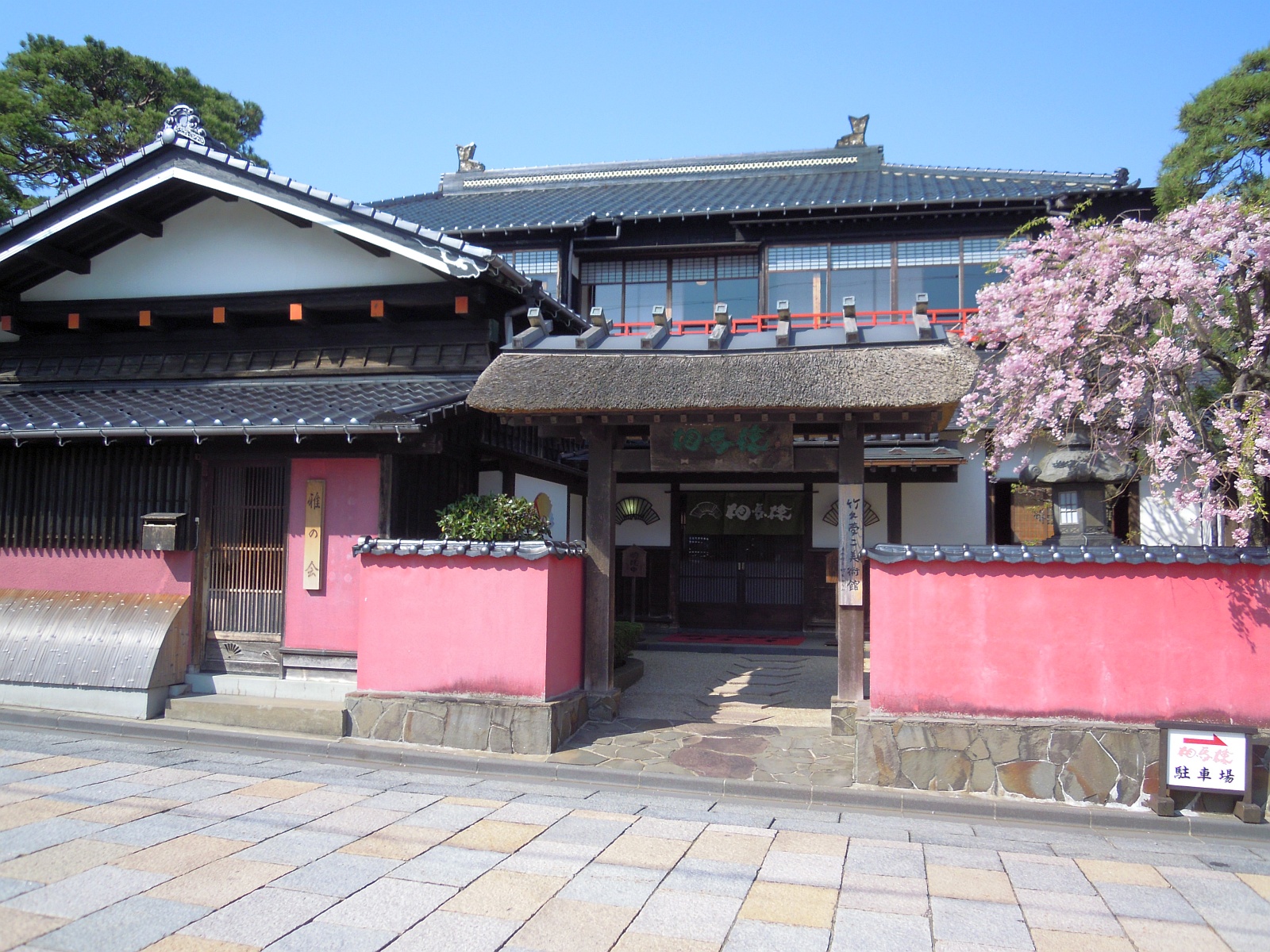
Little knownSomaro (相馬樓) is a beautifully preserved Edo-period geisha house in the port city of Sakata, converted into a cultural mu…
Mt. Haguro Five-Story Pagoda
Locally knownThe Mt. Haguro Five-Story Pagoda is a 29-meter tall wooden pagoda standing in a primeval cedar forest, considered one of…