
Tottori Sand Dunes
Researched and written by Hinato

Photo: Raita Futo from Tokyo, Japan / Wikimedia Commons (CC BY 2.0) · original
A visit to Tottori Sand Dunes is easy to underplan — bring more time, and less certainty about what you'll find, than you'd expect.
The Tottori Sand Dunes stretch 16 kilometers along the Sea of Japan coast and rise up to 50 meters in height, creating Japan's most unique natural landscape. Formed over 100,000 years from sediment carried by the Sendai River and shaped by coastal winds, the dunes are the largest in Japan and feel genuinely otherworldly — rolling golden hills that shift with the seasons, wind-carved ripple patterns that redesign themselves daily, and a horizon where sand meets sea.
The experience is deliberately un-Japanese: camel rides operated by local guides traverse the ridgelines, paragliders launch from the highest peaks, sandboarding down steep faces attracts adventure seekers, and fat-tire bike rentals let visitors explore the deeper sections inaccessible on foot. The Sand Museum at the dunes' edge rotates massive sand sculpture exhibitions annually, with themes changing from Egyptian pyramids to Renaissance art, all carved by international artists. Winter visits reveal a rare phenomenon — snow-covered sand dunes, a sight that exists almost nowhere else on Earth.
What to know before you go
Access hours
Sand Dunes: Open 24/7 | Camel rides: 8:30 AM – 5:30 PM
Closed: Sand Dunes: No closure | Sand Museum: Closed January–March (annual exhibition construction)
When to go
Sunrise (5:30–7:00 AM summer) for dramatic shadows in sand ripples | Winter (Dec–Feb) for rare snow-covered dunes | Year-round
Fee
Sand Dunes: Free | Camel ride: ¥1,300 | Sandboarding rental: ¥1,500 | Sand Museum: ¥800
Time to allow
2-3 hours (dunes walk + Sand Museum)
Making the trip
Access notes
What to bring
Nearby Spots
The closest hidden gems to Tottori Sand Dunes, by straight-line distance.
Tottori Sand Museum
Little knownThe Tottori Sand Museum is the world's only indoor exhibition dedicated exclusively to sand sculpture, where internation…
 KASEI / CC BY-SA 4.0
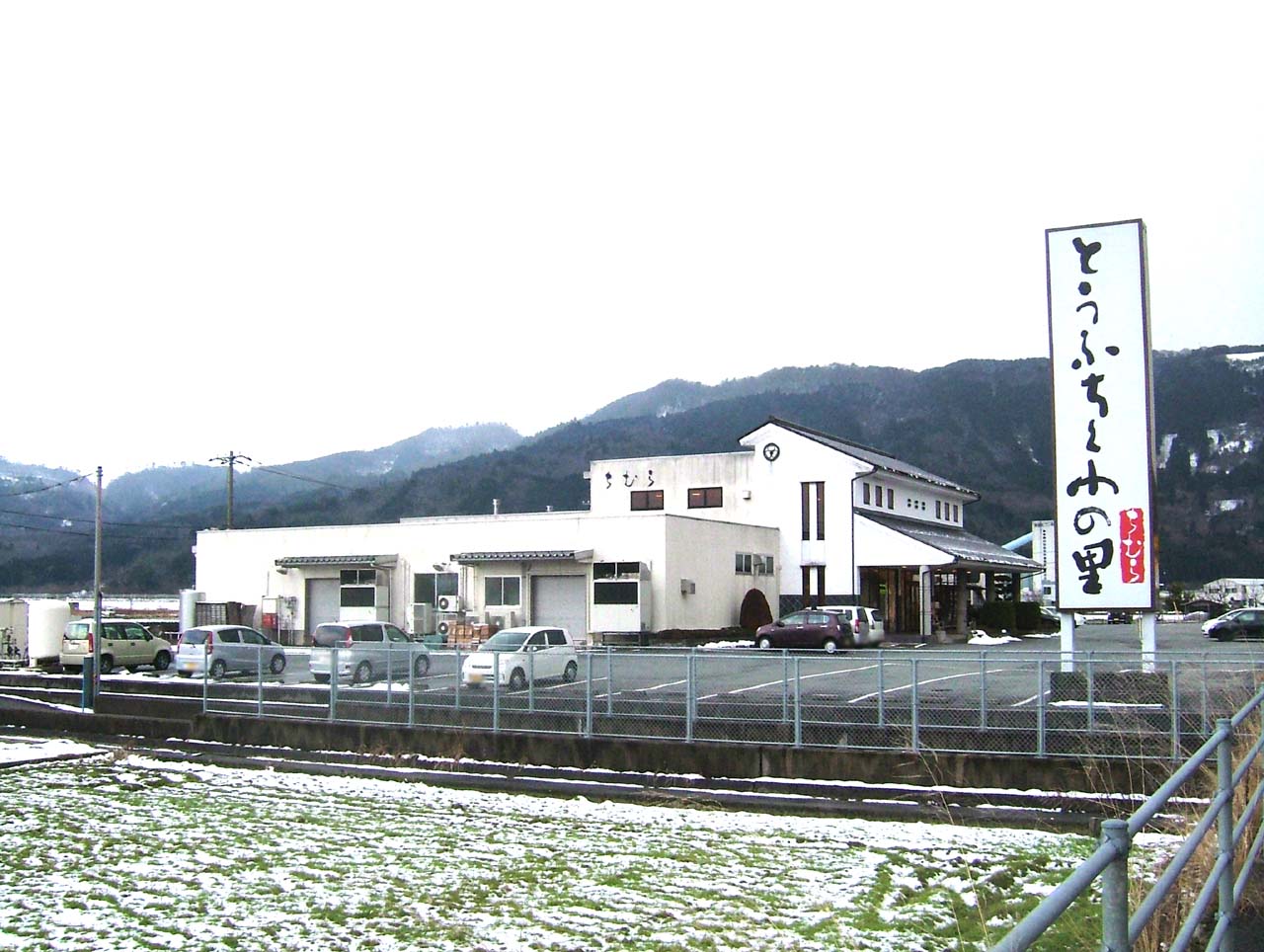
Tofu Chikuwa
Little knownChikuwa everywhere else in Japan is fish paste moulded round a stick and grilled. Tottori's is seven parts firm tofu to…
Karoichi
Little knownKaro is Tottori city's fishing port, two minutes from the sand dunes, and Karoichi is the market building beside it — a…
Tottori Folkloric Museum
Little knownThe Tottori Folkloric Museum (Watanabe Museum) occupies a beautifully preserved Edo-period merchant house in downtown To…
Kannon-in Temple Garden
Little knownKannon-in Temple in central Tottori City preserves a 500-year-old pond-stroll garden (chisen-kaiyu-shiki) designated as…
Tottori Karo Historical Samurai Residence
Little knownThe Tottori Karo Residence (鳥取藩家老職武家屋敷) is a beautifully preserved samurai house from the Edo period, originally occupie…
More in Tottori
 Reggaeman / CC BY-SA 3.0
Fudoin Iwayado
Locally knownA hall about thirteen metres high fitted into a natural rock cavern beside a mountain stream, its floor carried on long…
Wakasa Station and Post Town
Little knownWakasa is the terminus of a nineteen-kilometre private railway that runs up a valley from Koge, and the whole station —…
 Aimaimyi / CC BY-SA 3.0
Hakuto Shrine
Little knownThe Kojiki tells of a rabbit that tricked a line of sharks into forming a bridge so it could cross to the mainland, was…