
Mt. Daisen
Researched and written by Hinato

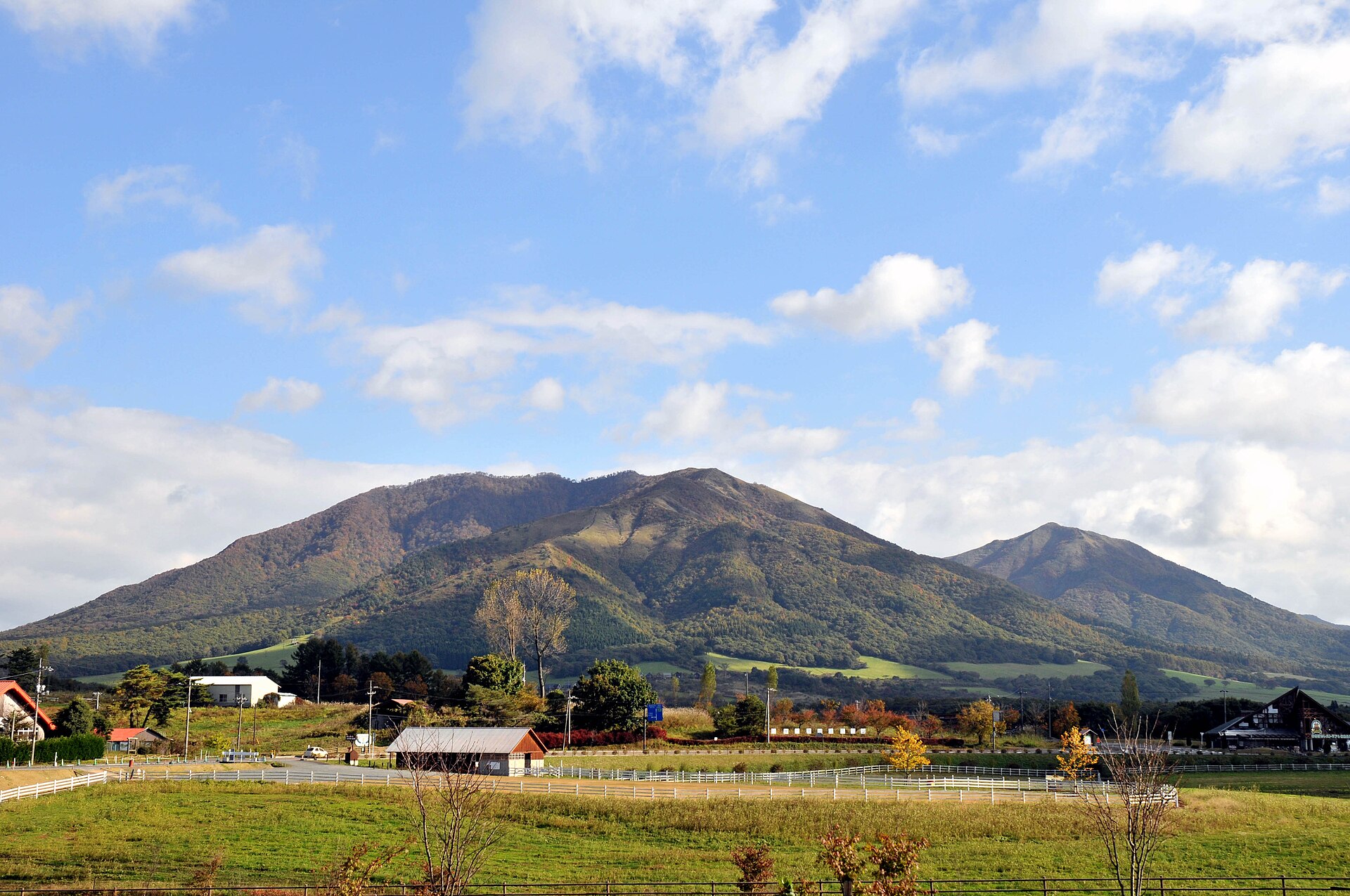
Photo: 掬茶 / Wikimedia Commons (CC BY-SA 4.0) · original
Step through the gate at Mt. Daisen and the first thing you notice isn't the architecture — it's the quiet.
Mt. Daisen (1,729m) rises in near-perfect symmetry above the western Tottori plains, earning the nickname 'Mount Fuji of the West' for its iconic conical silhouette. This sacred peak has been a center of mountain worship (Shugendo) for over 1,300 years, with Daisen-ji Temple at its base serving as the spiritual gateway.
The summit trail from Daisen-ji climbs 900 vertical meters through ancient beech forests and volcanic rock formations, passing stone shrines and sacred waterfalls. The path crosses five wooden suspension bridges and two chain-secured rock scrambles before emerging above treeline. At 1,400 meters, the forest abruptly ends — nothing but volcanic scree and wind-bent dwarf pines to the summit. On clear days (roughly 40% of summer mornings), Shimane Peninsula and the Sea of Japan spread 50 kilometers west. The mountain's spiritual weight isn't metaphor. At dawn, when mist fills the valleys and bell echoes rise from Daisen-ji below, you understand why monks chose this place 13 centuries ago.
Plan your visit
Time to allow
Summit hike (round-trip): 5.5 hours (3 hr up, 2.5 hr down) | Daisen-ji temple only: 1 hour | Dawn sutra + summit hike: full day (depart 5:30 AM) | Ski day: 6–7 hours on slopes
Hours
Mountain trails: open 24 hrs during hiking season | Myoo-in treasure hall: 9:00 AM – 4:30 PM | Ski resort: 8:30 AM – 4:30 PM (December–March)
Closed: Summit trail: officially closed mid-November to late April (snow/ice hazard) | Temple: no regular closing | Winter: ski resort operates Dec–early April | Check trail conditions at Daisen Nature Center before ascending
Admission
Mountain hiking: free | Daisen-ji grounds: free | Myoo-in treasure hall: ¥400 | Ski lift: ¥5,500/day | Backcountry guide: ¥25,000/day (up to 6 people)
Best season
Late October (autumn foliage peak, beech forest color) | Early summer (June, Daisen-renge lotus bloom on volcanic scree) | Spring (May) for fresh beech leaves | Avoid July–August midday heat
Getting there
Access notes
Access in depth
Nearest Station
Yonago Station (JR San'in Main Line) — 50-min bus to Daisen-ji base (¥930) | Bus: Nihon Kotsu bus from Yonago bound for Daisen (check seasonal schedule)
Travel Time
From Yonago Station: 50-min bus (¥930) | From Matsue: 45-min drive | From Tottori City: 90-min drive | Car recommended for flexibility with early morning summit departure
How to Get There
Bus from Yonago Station: Nihon Kotsu to Daisen (check timetable, infrequent) | Car: 50 min from Yonago via Route 431 (free parking at trailhead) | Taxi from Yonago: ~¥5,000 one-way (arrange return pickup)
Best Time to Visit
Summit departure: 6:00 AM to reach summit by 9:00 AM before afternoon clouds | October 25–November 3 for peak autumn color (crowded weekends) | Early November post-peak for empty trails + fallen leaves | Dawn sutra: arrive Daisen-ji by 5:30 AM
Crowd Avoidance Tips
Summit trail has chains + exposed ridge requiring careful footing | Autumn peak weekends: 1,000+ hikers | Weekday October visits cut crowds to ~100 | Serow (wild mountain goats) sighted before 7:00 AM on upper slopes | Unique Daisen-renge lotus at 1,600–1,700m blooms mid-June only
Parking Information
Daisen-ji trailhead: free parking (200 cars) | Peak autumn weekends: lots fill by 8:00 AM | Overflow parking 1km below trailhead (free shuttle) | Ski resort parking: ¥500/day
Beyond the guidebook
Book Your Stay Nearby
Find accommodation close to Mt. Daisen on these trusted booking platforms:
Nearby Spots
The closest hidden gems to Mt. Daisen, by straight-line distance.
 Illustration — not a photograph
Daisen-ji Temple
Little knownDaisen-ji Temple, established in 718 AD, served as the spiritual gateway to Mt. Daisen's sacred peak for over a millenni…
Daisen Milk & White Baracca
Little knownThe Daisen mountain foothills are home to several dairy farms that produce some of Japan's finest milk, cream, and soft-…
 Reggaeman / CC BY-SA 3.0
Ogamiyama Shrine Okunomiya
Locally knownThe approach to the mountain shrine of Ogamiyama is seven hundred metres of natural stone laid as paving — the longest s…
 Reggaeman / CC BY-SA 3.0
Hiruzen Highlands
Little knownHiruzen is a plateau at 500 to 600 metres under three peaks in Okayama's far north, and it is where roughly a fifth of e…
Yonago Gaina Festival
Little knownThe Yonago Gaina Festival, held every July, is western Japan's answer to the massive summer festivals of Tokyo and Osaka…
Yonago Castle Ruins
Little knownYonago Castle once stood as one of the most strategically important fortifications in western Japan, commanding views ov…
More in Tottori
Tottori Nijisseiki Pear Tart
Little knownThe Tottori 20th Century Pear Tart (鳥取二十世紀梨タルト) is the prefecture's signature souvenir dessert — a buttery tart shell fi…
Tottori Karo Historical Samurai Residence
Little knownThe Tottori Karo Residence (鳥取藩家老職武家屋敷) is a beautifully preserved samurai house from the Edo period, originally occupie…
Nageiredo
Locally knownNageiredo is a small hall wedged into a cliff hollow on Mt. Mitoku, held up on stilts of unequal length, and it is a Nat…