
Chureito Pagoda
Researched and written by Hinato
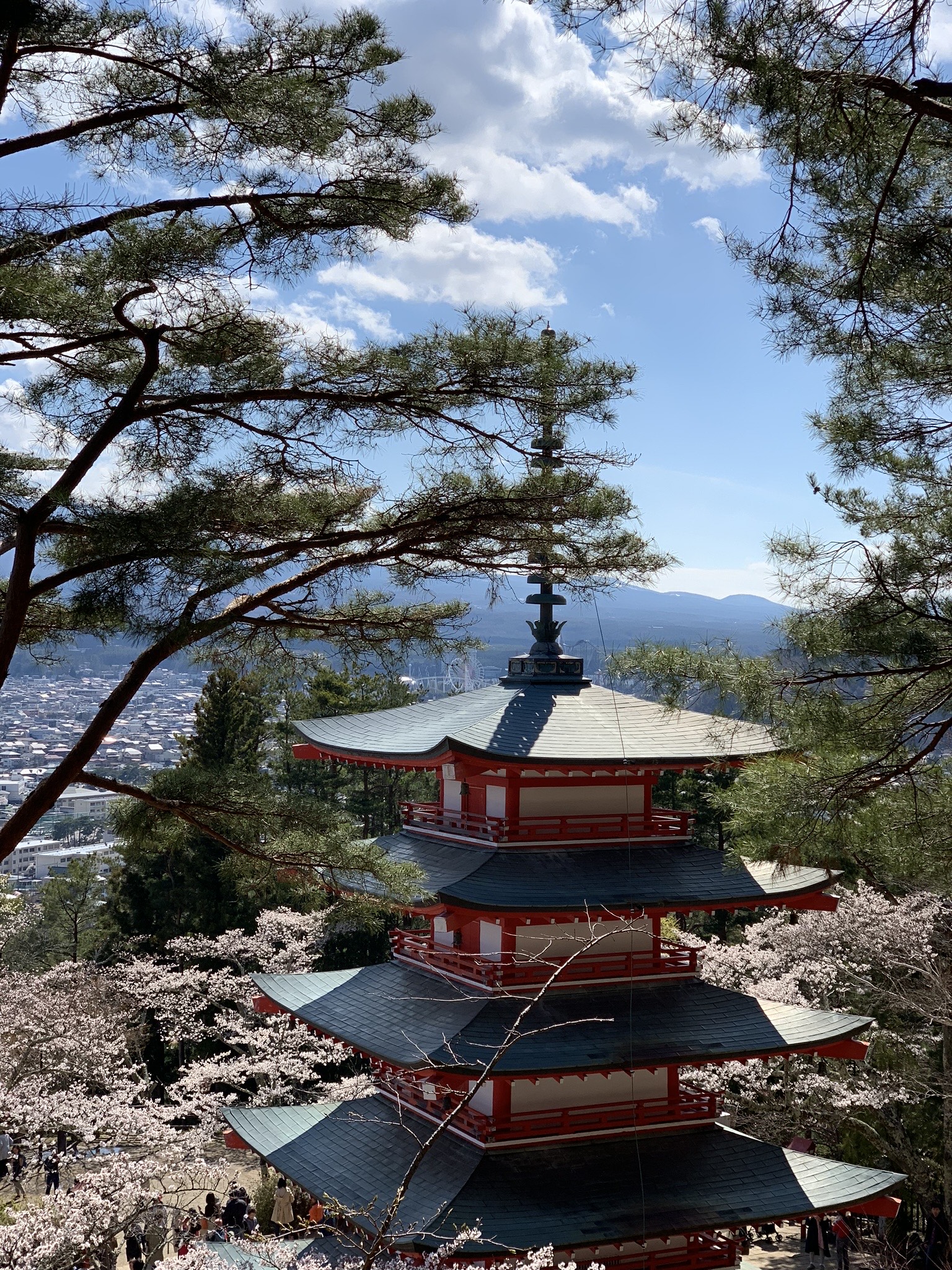
Photo: 1i1ian / Wikimedia Commons (CC BY-SA 4.0) · original
Not every sacred site in Yamanashi draws a crowd. Chureito Pagoda is one of the ones that doesn't need to.
The Chureito Pagoda, a five-story vermillion structure perched on the hillside above Fujiyoshida City, offers the postcard view of Mt. Fuji that defines Japanese iconography — the snow-capped volcanic cone perfectly framed between pagoda eaves, with the urban sprawl of the valley compressed into a thin middle layer.
The view is spectacular year-round, but reaches peak photographic perfection during cherry blossom season (early April) when 650 Somei Yoshino cherry trees bloom simultaneously across the hillside. The composition — red pagoda, pink cherry blossoms, white Fuji, blue sky — has become one of the most photographed scenes in Japan. Autumn foliage (late October to early November) offers a secondary peak season when maple trees add orange and red layers to the frame.
Our angle on Chureito Pagoda
Nobody else is going here
Everyone within a mile of Chureito Pagoda is going to Chureito Pagoda. Here are 4 places within walking or one bus ride of it that almost nobody writes about — straight-line distances from our own catalogue, not travel times.
- Kitaguchi Hongu Fuji Sengen ShrineLittle known~1.4 km away · Yamanashi
Kitaguchi Hongu Fuji Sengen Shrine has served as the traditional starting point for Mt. Fuji pilgrimages via the Yoshida…
- Momiji Kairo Maple CorridorLittle known~4.1 km away · Yamanashi
The Momiji Kairo (紅葉回廊, 'Maple Corridor') is a 150-meter pathway along the northern shore of Lake Kawaguchiko lined with…
- Kawaguchiko Music Forest MuseumLittle known~4.7 km away · Yamanashi
The Kawaguchiko Music Forest Museum is a European-style garden and music box museum set against the backdrop of Mt. Fuji…
- Oshino HakkaiLittle known~6.3 km away · Yamanashi
Oshino Hakkai is a collection of eight crystal-clear ponds fed by snowmelt from Mt. Fuji that has filtered through under…
Plan your visit
Time to allow
1–2 hours
Hours
Open 24 hours (outdoor grounds) | Arakura Sengen Shrine office: 9:00 AM – 5:00 PM
Closed: Open year-round
Admission
Free (grounds and pagoda viewpoint)
Best season
Spring (late March–early April) for cherry blossoms | Autumn (late October–early November) for foliage
Getting there
Getting there in detail
Access in depth
Nearest Station
Shimoyoshida Station (Fujikyuko Line) — 15 min walk
Travel Time
From Tokyo Station: ~2 hours (JR Chuo Line to Otsuki + Fujikyuko Line to Shimoyoshida) | From Narita Airport: ~3 hours
How to Get There
Train: JR Chuo Line from Shinjuku to Otsuki (~80 min, ¥1,340), then Fujikyuko Line to Shimoyoshida (~25 min, ¥570). 15-min walk to shrine gate, then 398-step climb to pagoda. Bus: Highway bus from Shinjuku Busta to Kawaguchiko Station (~2 hrs, ¥2,000), then taxi or local bus to shrine (~10 min). Car: Via Chuo Expressway to Kawaguchiko IC, then local roads to Arakura Sengen Shrine parking (¥500/day).
Best Time to Visit
Weekday mornings 6:00–8:00 AM for minimal crowds and best Fuji visibility.
Crowd Avoidance Tips
Cherry blossom season (early April) draws the largest crowds — the platform fills by 8:00 AM on peak bloom days. Visit one day before or after peak bloom for 80% of the beauty with 20% of the crowds. Outside cherry season, weekday mornings are quiet year-round.
Parking Information
Limited parking near Arakura Sengen Shrine (¥500/day, ~20 spaces). Fills quickly on weekends and during cherry blossom season. Public transport strongly recommended.
Beyond the guidebook
Book Your Stay Nearby
Find accommodation close to Chureito Pagoda on these trusted booking platforms:
Nearby Spots
The closest hidden gems to Chureito Pagoda, by straight-line distance.
 江戸村のとくぞう / CC BY-SA 4.0
Kitaguchi Hongu Fuji Sengen Shrine
Little knownKitaguchi Hongu Fuji Sengen Shrine has served as the traditional starting point for Mt. Fuji pilgrimages via the Yoshida…
Lake Kawaguchiko
FamousLake Kawaguchiko is the most accessible and developed of the Fuji Five Lakes, offering the clearest reflection views of…
Momiji Kairo Maple Corridor
Little knownThe Momiji Kairo (紅葉回廊, 'Maple Corridor') is a 150-meter pathway along the northern shore of Lake Kawaguchiko lined with…
 江戸村のとくぞう / CC BY-SA 4.0
Kawaguchiko Music Forest Museum
Little knownThe Kawaguchiko Music Forest Museum is a European-style garden and music box museum set against the backdrop of Mt. Fuji…
 663highland / CC BY-SA 4.0
Oshino Hakkai
Little knownOshino Hakkai is a collection of eight crystal-clear ponds fed by snowmelt from Mt. Fuji that has filtered through under…
 Illustration — not a photograph
Lake Yamanakako
Little knownLake Yamanakako, the largest and highest-elevation (980m) of the Fuji Five Lakes, stretches 6.8km east-west with the sou…
More in Yamanashi
 Illustration — not a photograph
Hoto Noodles
Little knownHoto is Yamanashi's signature comfort dish — thick, flat wheat noodles simmered in a miso-based broth with kabocha squas…
 Totti / CC BY-SA 4.0
Isawa Onsen
Little knownIsawa Onsen, located in the Fuefuki Valley surrounded by peach and grape orchards, is Yamanashi's largest hot spring res…
 Illustration — not a photograph
Yamanashi Fruit Picking
Little knownYamanashi Prefecture is Japan's fruit basket — the nation's top producer of grapes and peaches, and second for cherries.…