
Aso Shrine
Researched and written by Hinato
Kumamoto · Aso
32.9417°N, 131.1147°E
Not every sacred site in Kumamoto draws a crowd. Aso Shrine is one of the ones that doesn't need to.
Aso Shrine, established in 281 AD, is one of Japan's oldest Shinto shrines and was famous for its three-story gate tower (romon, 楼門) — one of the tallest shrine gates in Japan at 18 meters. The 2016 earthquake completely collapsed the gate and damaged several shrine buildings. The reconstruction (completed 2023) used traditional methods: cypress wood, hand-forged nails, and mortise-tenon joinery without modern fasteners.
The shrine's reconstruction became a national heritage preservation project, documented for future generations to study traditional wooden architecture techniques.
Plan your visit
Time to allow
45–60 minutes for shrine grounds, romon gate, and reconstruction museum
Hours
Shrine grounds: dawn to dusk. Reconstruction museum: 9:00 AM – 4:30 PM.
Closed: Open year-round
Admission
Shrine grounds free. Reconstruction museum ¥300.
Best season
Year-round; spring (April–May) for shrine grounds cherry blossoms; July for Onda Matsuri rice-planting ceremony
Getting there
Directions
Visiting etiquette & tips
Nearby Spots
The closest hidden gems to Aso Shrine, by straight-line distance.
Aso Aka-Ushi (Red Cattle) BBQ
Little knownAso Aka-ushi (阿蘇赤牛) is a regional cattle breed raised on the volcanic grasslands of Mt. Aso. Unlike heavily marbled wagy…
 Yamaguchi Yoshiaki from Japan / CC BY-SA 2.0
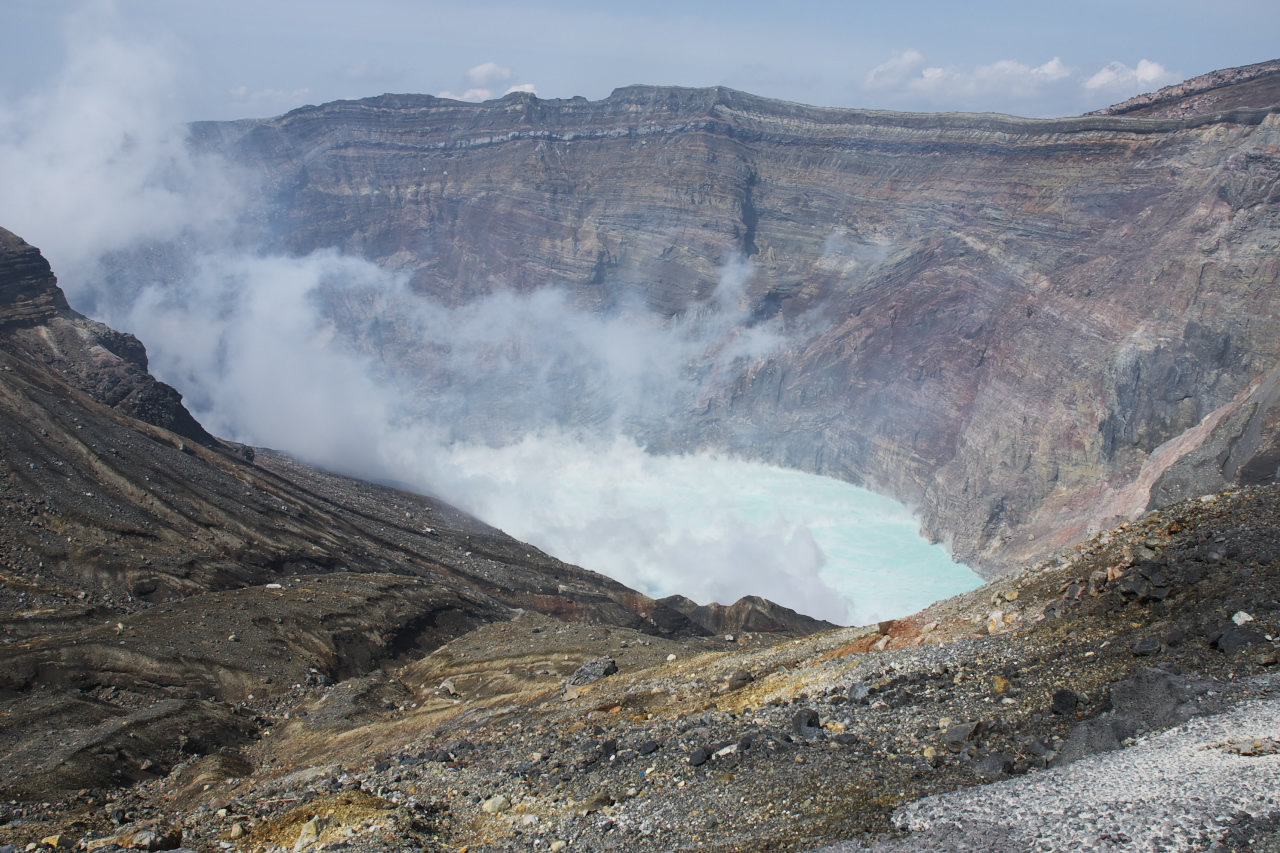
Mt. Aso Nakadake Crater
Well knownMt. Aso is one of the world's largest active calderas (25km across) containing five volcanic peaks. Nakadake is the only…
Daikanbo
Little knownDaikanbo is a promontory on the northern rim of the Aso caldera at 936 metres, and from it the whole basin is visible at…
 Ann Lee / CC BY-SA 2.0
Kamishikimi Kumanoimasu Shrine
Little knownThe approach to Kamishikimi Kumanoimasu runs uphill through cedar forest between ninety-seven moss-covered stone lantern…
 ブルーノ・プラス / CC BY 4.0
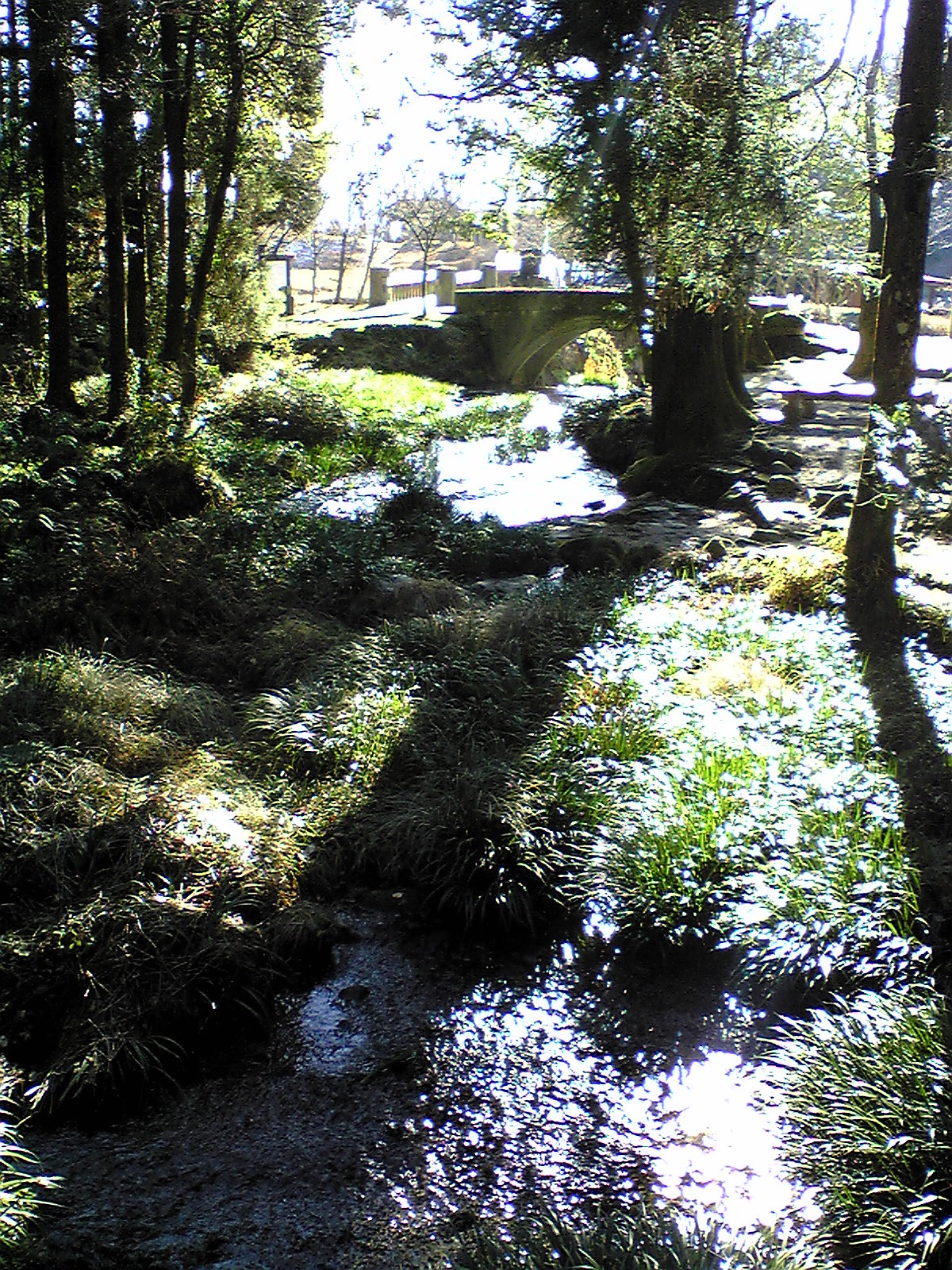
Shirakawa Spring
Little knownThe Shirakawa river, which runs through the middle of Kumamoto City, starts here — sixty tonnes a minute coming up out o…
 松岡博文 / CC BY 3.0
Ikeyama Spring
Little knownIkeyama is a spring in the far north-east corner of Kumamoto, in the village of Ubuyama on the outer rim of the Aso cald…
More in Kumamoto
 そらみみ / CC BY-SA 4.0
Misumi West Port
Well knownMisumi West Port was one of three ports the Meiji government built to modernise Japanese shipping, designed in 1887 by t…
Okoshiki Coast
Little knownThe Ariake Sea has one of the largest tidal ranges in Japan, and when it goes out at Okoshiki it leaves several kilometr…
 Big Ben in Japan / CC BY-SA 2.0
Nabegataki Falls
Little knownNabegataki is ten metres high and twenty wide, and the rock behind it is undercut deeply enough that a path runs along t…