
Yoshino Kuzu Mochi
Researched and written by Hinato
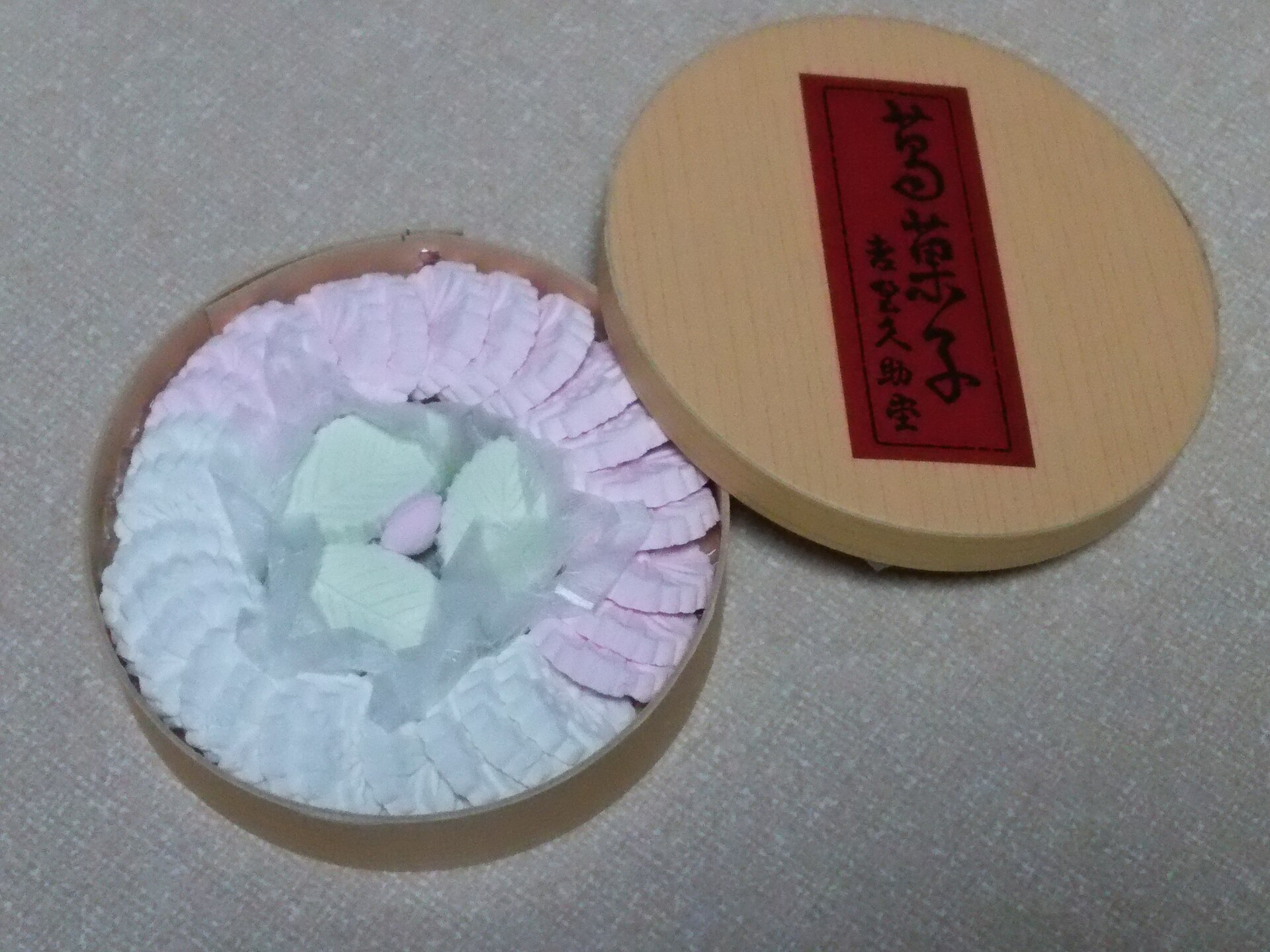
Photo: Uo3rt / Wikimedia Commons (CC BY-SA 4.0) · original
What makes Yoshino Kuzu Mochi worth planning around is less the menu than the timing — get that right and the rest follows.
Yoshino is Japan's premier producer of kuzu (葛, arrowroot starch), a plant-based starch extracted from kudzu vine roots that grow wild in the mountains. Kuzu production is labor-intensive: roots are dug in winter, ground into pulp, soaked in cold mountain water for months to separate starch from fibers, and dried into blocks. The result is pure white starch that creates translucent, jelly-like textures when cooked. Yoshino kuzu is prized for its purity and smoothness, commanding prices 10× higher than industrial starches.
Kuzu is used in traditional sweets (kuzumochi, kuzukiri), kaiseki cuisine (thickening agent), and traditional medicine (kuzu root tea aids digestion). Kuzumochi (葛餅) are translucent cubes served chilled with kinako (roasted soybean powder) and kuromitsu (black sugar syrup) — the texture is slippery, bouncy, and refreshing, popular in summer. Yoshino's mountain shops sell fresh kuzumochi made daily. The combination of cool, smooth texture and sweet toppings creates a refined summer treat. Shops also sell blocks of pure kuzu starch (¥1,500–3,000 per 200g) for home use.
The painstaking separation process behind Yoshino kuzu — repeatedly soaking, settling, and decanting ground root pulp in cold mountain water over weeks or months to isolate the pure starch from fiber and impurities — is one of the reasons the region's kuzu has retained its reputation even as cheaper, faster industrial extraction methods became available elsewhere in Japan. Producers who still follow the traditional cold-water method argue that the slow process and the mineral character of Yoshino's mountain water are what give the finished starch its exceptional clarity and smooth, almost silken texture once cooked, qualities that are difficult to replicate with modern shortcuts. Because kuzu vine grows wild in the surrounding mountains rather than being cultivated as a managed crop, root harvesting remains dependent on foragers who understand the terrain and the plant's seasonal growth patterns, a form of knowledge passed down within families that supply the town's kuzu workshops. This combination of wild-harvested raw material and unhurried traditional processing places Yoshino kuzu closer to a regional craft product than an ordinary foodstuff, which is part of why shops selling it treat the starch itself, not just the finished sweets, as worth showcasing to visitors.
Before you eat
Serving hours
Kuzukichi and most kuzu shops: 9:00 AM – 5:00 PM
Closed: Varies by shop; most open daily during tourist season
What it costs
No entry fee | Fresh kuzumochi set: ¥800–1,200
Best time to go
Summer (June–August, chilled kuzumochi at peak refreshment value) | Year-round for kuzuyu (hot kuzu tea) in winter
Time to allow
15–30 minutes (shop visit) | Best combined with Yoshino mountain pilgrimage
Getting there
Getting there in detail
Beyond the guidebook
Book Your Stay Nearby
Find accommodation close to Yoshino Kuzu Mochi on these trusted booking platforms:
Nearby Spots
The closest hidden gems to Yoshino Kuzu Mochi, by straight-line distance.
 Nankou Oronain (as36… / CC BY-SA 3.0
Mount Yoshino
Well knownYoshino's 30,000 cherry trees bloom in four elevation zones called senbon (千本, 'thousand trees') — Shimo, Naka, Kami, an…
 Naokijp / CC BY-SA 4.0
Yoshino Mikumari Shrine
Well knownYoshino Mikumari Shrine (吉野水分神社) is a Shinto shrine dedicated to Mikumari-no-Kami (水分神), the deity of water distribution…
 Illustration — not a photograph
Asuka Village
Little knownWhen you cycle through Asuka's rice paddies, granite boulders carved with geometric channels and stone slabs weighing 77…
Asuka-dera Temple
Little knownAsuka-dera (飛鳥寺) was Japan's first full-scale Buddhist temple, founded in 596 AD when Buddhism was still new to the arch…
 Yoshio Kohara / CC BY 3.0
Kashihara Jingu Shrine
Little knownKashihara Jingu (橿原神宮) is a large Shinto shrine dedicated to Emperor Jimmu, Japan's legendary first emperor according to…
 米田賢一 / CC BY 3.0
Sanadaan
Little knownAfter Sekigahara in 1600, Sanada Masayuki and his son Nobushige — the man popular history calls Yukimura — were exiled t…
More in Nara
 Kochizufan / CC BY-SA 4.0
Naramachi
FamousNaramachi (奈良町) is Nara's preserved merchant quarter with narrow lanes lined with traditional machiya townhouses dating…
 helohelon / CC BY-SA 3.0
Kofukuji Temple
Well knownKofukuji (興福寺) is a UNESCO World Heritage temple founded in 669 AD as the clan temple of the powerful Fujiwara family, s…
 Kyu3a / CC BY-SA 4.0
Kakinoha-zushi
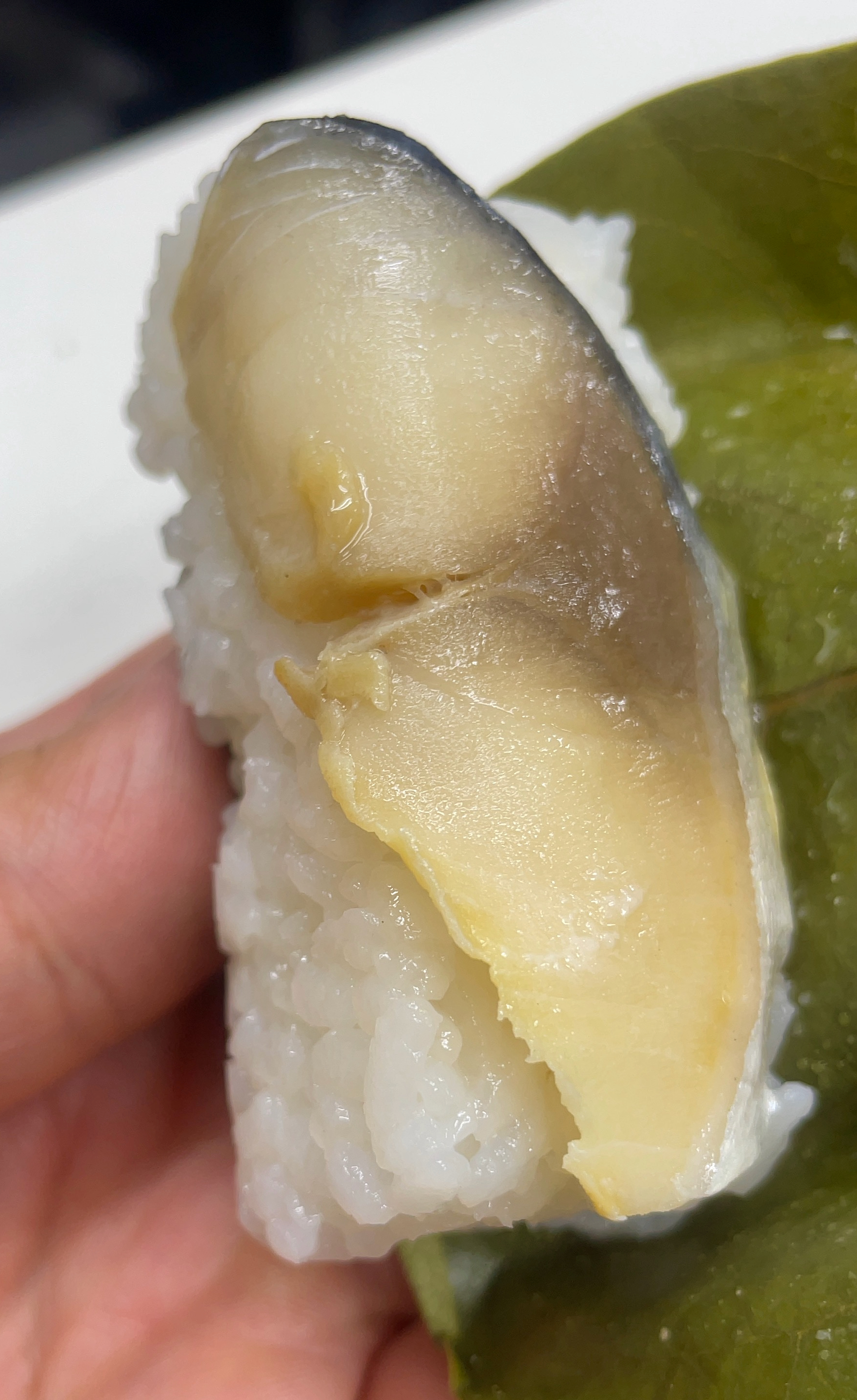
Locally knownKakinoha-zushi (柿の葉寿司) is Nara's signature pressed sushi: vinegared rice topped with mackerel, salmon, or sea bream, wra…