
Yoshino Mikumari Shrine
Researched and written by Hinato

Photo: Naokijp / Wikimedia Commons (CC BY-SA 4.0) · original
Step through the gate at Yoshino Mikumari Shrine and the first thing you notice isn't the architecture — it's the quiet.
Yoshino Mikumari Shrine (吉野水分神社) is a Shinto shrine dedicated to Mikumari-no-Kami (水分神), the deity of water distribution who controls mountain springs feeding Yoshino's rivers. The shrine sits high on Mount Yoshino (Kami-senbon zone) surrounded by ancient cryptomeria forest, accessed via a steep approach path lined with cherry trees. The shrine's origins date to the 7th century, making it one of Yoshino's oldest sacred sites and a UNESCO World Heritage component.
The shrine is famous for granting prayers for safe childbirth and child-rearing — mikumari (水分) can be read as mikomori (御子守, 'child-protector'), leading to folk association between water deity and childbirth. The main hall (rebuilt 1604) features vibrant vermillion paint contrasting with dark forest green. The shrine is far quieter than Kinpusenji Temple (located higher on the mountain, requiring 40-min uphill walk from main village), rewarding visitors who climb beyond the tourist clusters. Spring cherry blossoms and autumn foliage frame the shrine beautifully, and the mountain forest atmosphere creates a serene, primordial feeling.
Plan your visit
Time to allow
20–30 minutes (shrine) | 90 minutes round-trip including walk from lower Yoshino village
Hours
Shrine grounds: open 24/7 | Main hall worship: 8:00 AM – 5:00 PM
Closed: Open year-round
Admission
Free
Best season
Spring (April, cherry blossoms framing the approach path) | Autumn (October–November, foliage in ancient cedar forest)
Getting there
Directions
What locals know
Nearby Spots
The closest hidden gems to Yoshino Mikumari Shrine, by straight-line distance.
 Uo3rt / CC BY-SA 4.0
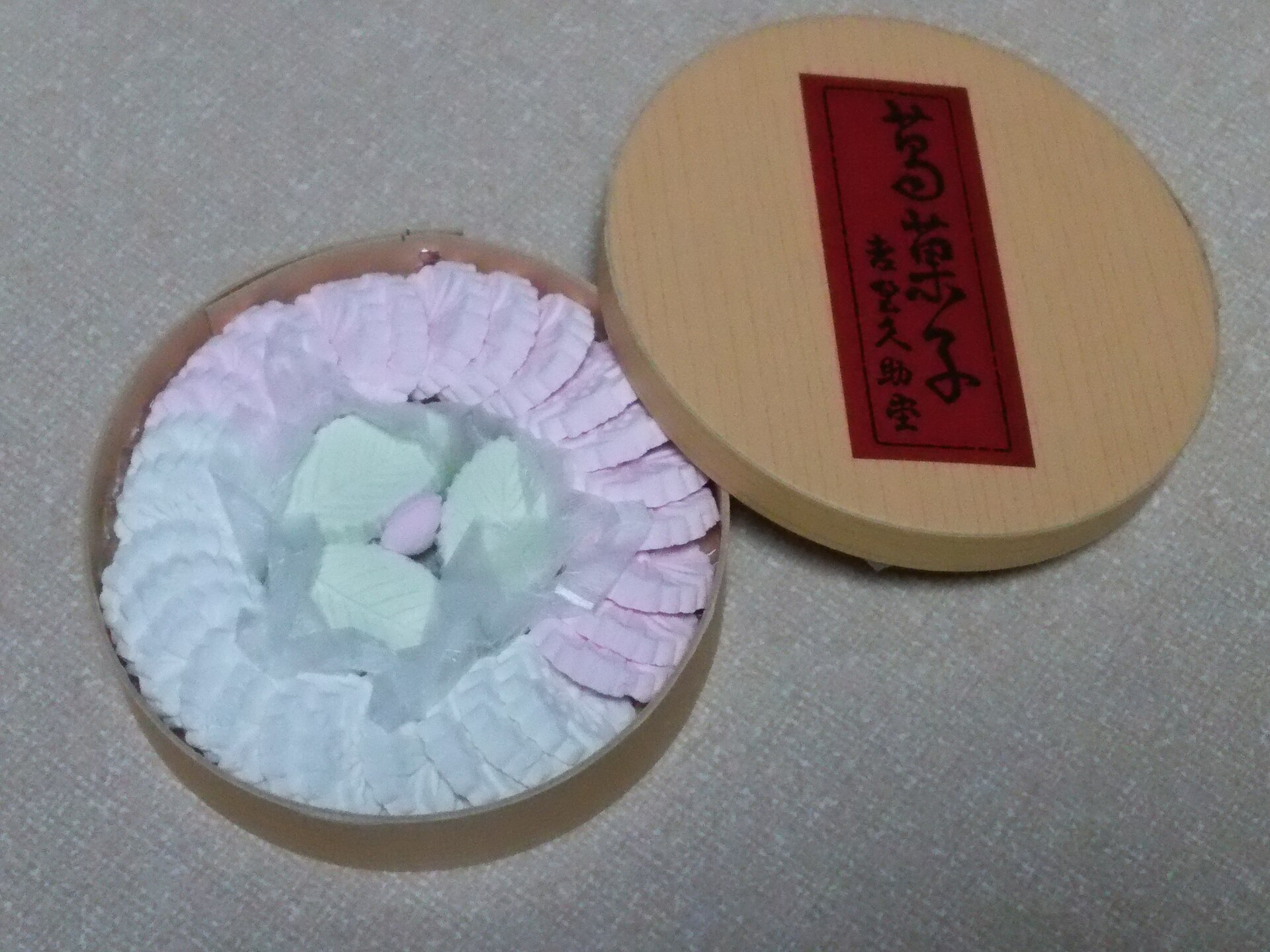
Yoshino Kuzu Mochi
Little knownYoshino is Japan's premier producer of kuzu (葛, arrowroot starch), a plant-based starch extracted from kudzu vine roots…
 Nankou Oronain (as36… / CC BY-SA 3.0
Mount Yoshino
Well knownYoshino's 30,000 cherry trees bloom in four elevation zones called senbon (千本, 'thousand trees') — Shimo, Naka, Kami, an…
 Illustration — not a photograph
Asuka Village
Little knownWhen you cycle through Asuka's rice paddies, granite boulders carved with geometric channels and stone slabs weighing 77…
Asuka-dera Temple
Little knownAsuka-dera (飛鳥寺) was Japan's first full-scale Buddhist temple, founded in 596 AD when Buddhism was still new to the arch…
 Yoshio Kohara / CC BY 3.0
Kashihara Jingu Shrine
Little knownKashihara Jingu (橿原神宮) is a large Shinto shrine dedicated to Emperor Jimmu, Japan's legendary first emperor according to…
 米田賢一 / CC BY 3.0
Sanadaan
Little knownAfter Sekigahara in 1600, Sanada Masayuki and his son Nobushige — the man popular history calls Yukimura — were exiled t…
More in Nara
 Benh LIEU SONG from Torcy, France / CC BY-SA 2.0
Ukimido Pavilion
Well knownUkimido (浮見堂, 'Floating Pavilion') is a hexagonal pavilion built on stilts over Sagi-ike Pond in Nara Park's southern ar…
 jetsun / CC BY-SA 3.0
Wakakusayama Hill
Locally knownWakakusayama (若草山, 'Young Grass Mountain') is a 342-meter grassy hill on Nara Park's eastern edge offering panoramic vie…
 Illustration — not a photograph
Nara Sumi Ink & Fude Brushes
Locally knownNara produces 90% of Japan's traditional sumi ink (墨, solid ink sticks) and is a major center for fude (筆, calligraphy b…