
Tsujun Bridge
Researched and written by Hinato

Photo: Totti / Wikimedia Commons (CC BY-SA 4.0) · original
What sets Tsujun Bridge apart from other natural sites in Kumamoto is how much depends on conditions outside anyone's control.
The plateau at Yabe had no water. In 1854 the village headman Futa Yasunosuke had this built to get it there: a stone arch aqueduct 78 metres long and 21 high, carrying three stone conduits across a gorge under an inverted siphon so that water rises on the far side. It is the largest stone aqueduct in Japan and in 2023 it was designated a National Treasure — the first civil engineering structure in the country to receive that status.
It still works, and it still irrigates about a hundred hectares. Periodically the sluices are opened to clear silt from the conduits and two jets of water blast out of the middle of the bridge in arcs, which is the sight people come for. Discharge days are scheduled and published, and walking on top of the bridge is charged and also restricted.
Plan your visit
Time to allow
60–90 minutes
Hours
Viewing from the park at any time | Discharges on scheduled days only | Bridge deck access restricted
Closed: Discharges do not run daily — check the schedule
Best time to visit
Scheduled discharge days | Spring and autumn for the plateau
Entry fee
Free to view | Charged for walking on the bridge deck
Getting out there
Access notes
Local knowledge
Nearby Spots
The closest hidden gems to Tsujun Bridge, by straight-line distance.
Gokanosho
Little knownGokanosho is five settlements — Shiihara, Kurako, Hagi, Nitao and Momiki — scattered through mountains of thirteen hundr…
 ブルーノ・プラス / CC BY 4.0
Shirakawa Spring
Little knownThe Shirakawa river, which runs through the middle of Kumamoto City, starts here — sixty tonnes a minute coming up out o…
Shiiba Village
Little knownShiiba is counted with Shirakawa-go and the Iya valley as one of Japan's three great hidden regions, and the reason is t…
 Yamaguchi Yoshiaki from Japan / CC BY-SA 2.0
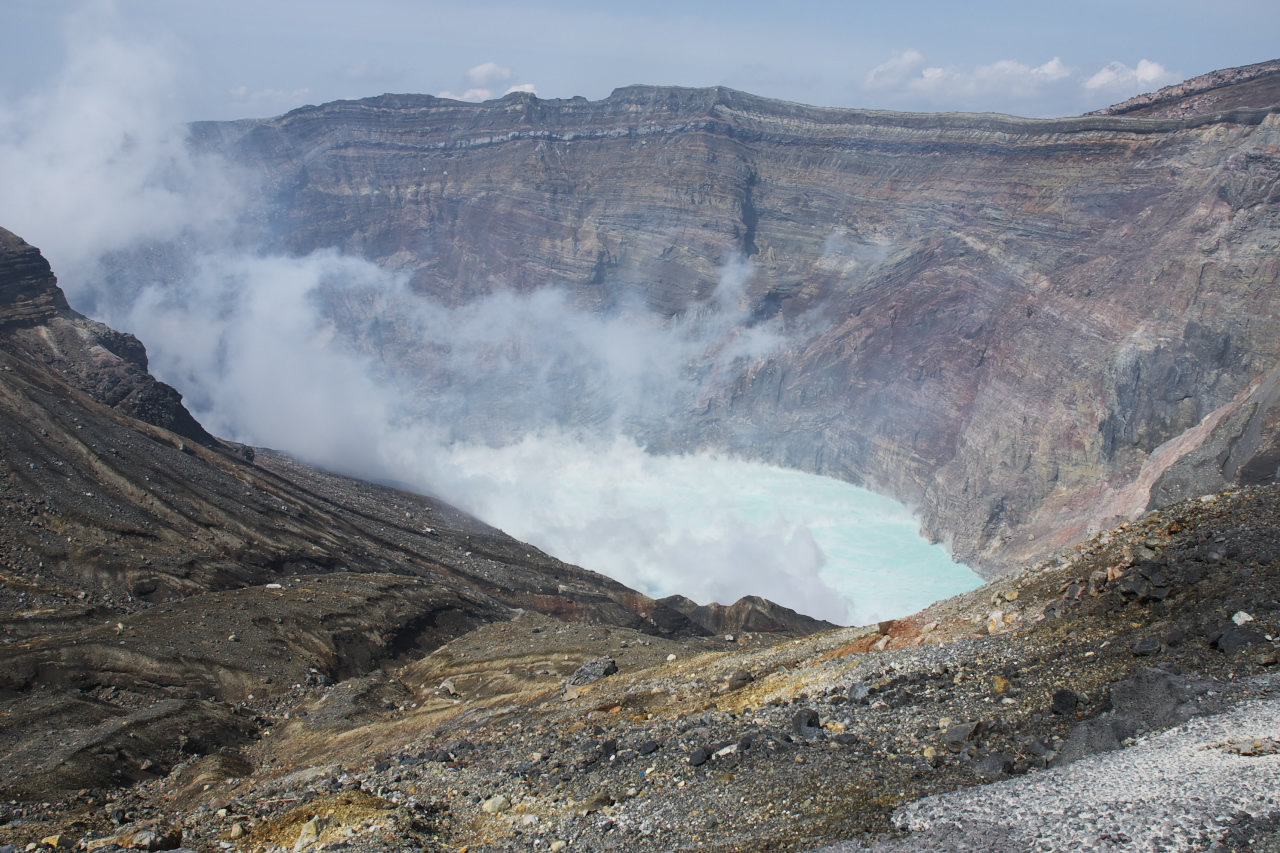
Mt. Aso Nakadake Crater
Well knownMt. Aso is one of the world's largest active calderas (25km across) containing five volcanic peaks. Nakadake is the only…
 Illustration — not a photograph
Kunimigaoka
Little knownKunimigaoka is a ridge above the Takachiho basin where, according to the legend, Takeiwatatsu — a grandson of Emperor Ji…
 Illustration — not a photograph
Kumamoto Ramen
Locally knownKumamoto ramen is a regional variation of Hakata-style tonkotsu — thicker noodles, richer pork-bone broth, and the defin…
More in Kumamoto
 松岡博文 / CC BY 3.0
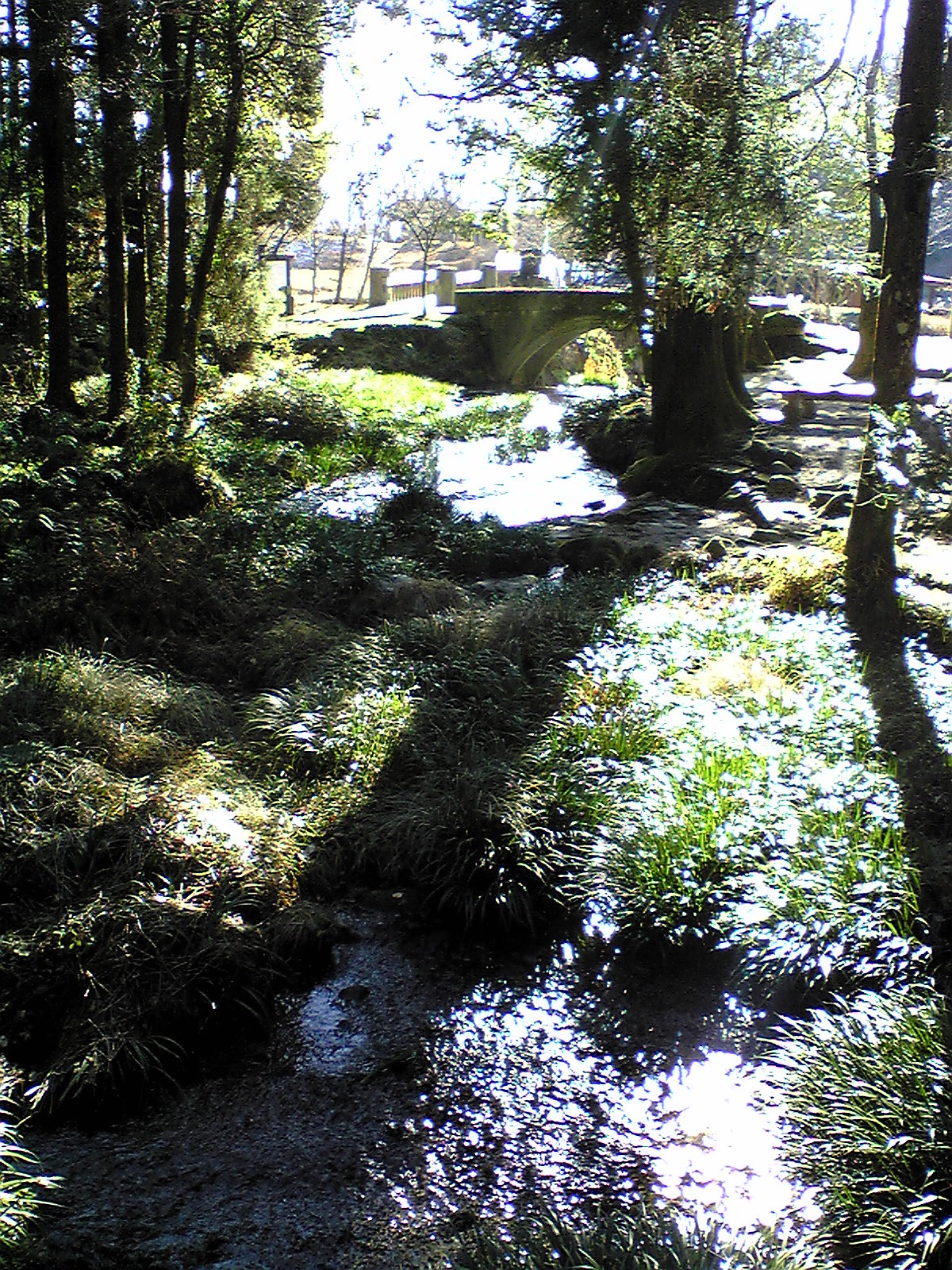
Ikeyama Spring
Little knownIkeyama is a spring in the far north-east corner of Kumamoto, in the village of Ubuyama on the outer rim of the Aso cald…
 そらみみ / CC BY-SA 4.0
Misumi West Port
Well knownMisumi West Port was one of three ports the Meiji government built to modernise Japanese shipping, designed in 1887 by t…
Okoshiki Coast
Little knownThe Ariake Sea has one of the largest tidal ranges in Japan, and when it goes out at Okoshiki it leaves several kilometr…