
Sumiyoshi Taisha
Researched and written by Hinato

Photo: Wei-Te Wong from Taipei City, Taiwan, Republic of China / Wikimedia Commons (CC BY-SA 2.0) · original
Sumiyoshi Taisha rewards a slow visit more than a quick photo stop — there's more to read in the grounds than the entrance suggests.
Sumiyoshi Taisha (住吉大社) is one of Japan's oldest Shinto shrines (founded 211 CE), predating Buddhist influence in Japan. The shrine's four main halls demonstrate sumiyoshi-zukuri (住吉造) — an ancient architectural style unique to this shrine: straight-roofed structures without decorative curves, built in natural wood without paint. This style preserves pre-Buddhist Shinto aesthetics.
The shrine is dedicated to sea deities and was historically patronized by sailors and merchants. The iconic Sorihashi Bridge (反橋, arched bridge) crossing the pond creates the shrine's most photographed scene — a steep vermillion bridge reflecting in water.
Before you go
Opening hours
Sunrise–5:00 PM (seasonal variation) | 24/7 during New Year (Dec 31–Jan 3)
Closed: Open year-round
Admission
Free | Amulets and omamori: ¥500–1,500
Best time to visit
Year-round | New Year (Dec 31–Jan 3) for hatsumode | Major festival: July 30–August 1
Time to allow
30–45 minutes
Access route
Directions
What locals know
Nearby Spots
The closest hidden gems to Sumiyoshi Taisha, by straight-line distance.
 Illustration — not a photograph
Sakai Traditional Knife Workshop
Locally knownMaster Nakamura's hands are scarred from 47 years of knife-making — pale white lines across his knuckles from where blad…
 Illustration — not a photograph
Abeno Harukas
Locally knownAbeno Harukas (あべのハルカス) is Japan's tallest building at 300 meters (60 floors), opened in 2014. The top three floors (58F…
 iloverjoa / CC BY 3.0
Tennoji Zoo
Little knownTennoji Zoo (天王寺動物園) opened in 1915 as Japan's third zoo, housing 1,000+ animals from 180+ species on 11 hectares. The z…
 shikabane taro / CC BY 3.0
Osaka Municipal Museum of Art
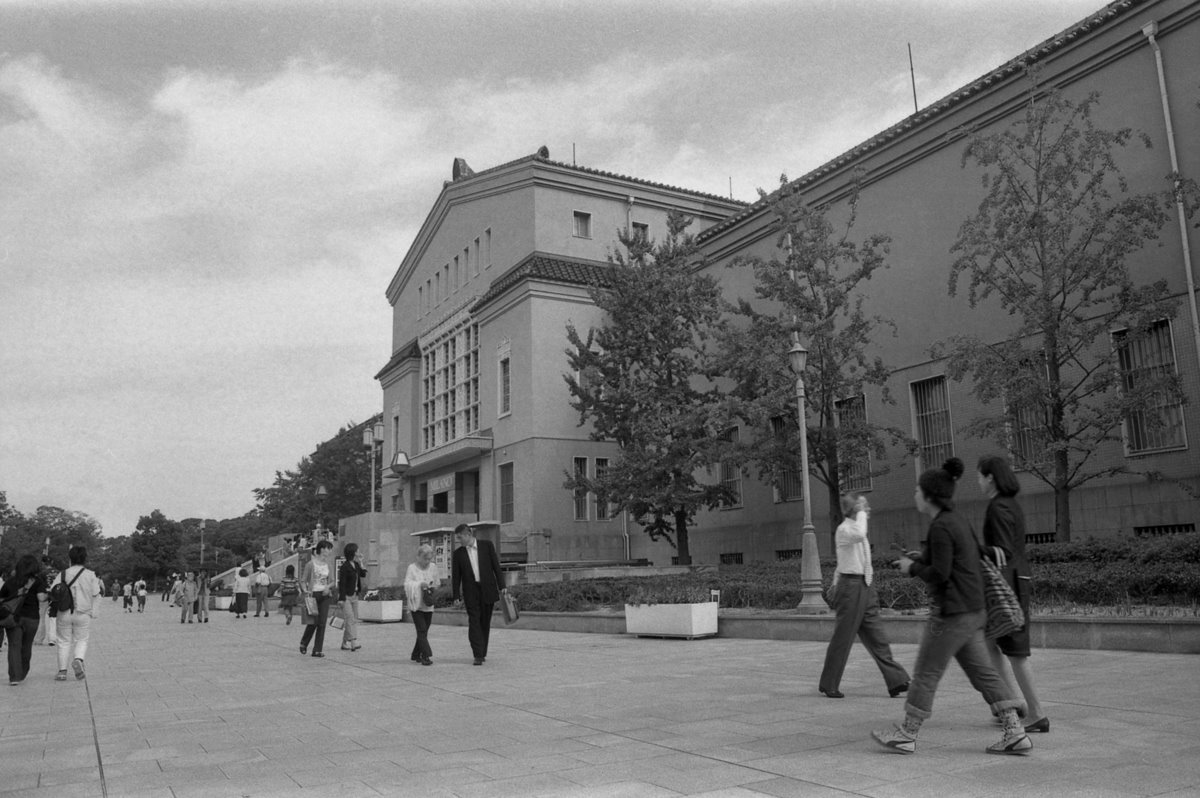
Locally knownOsaka Municipal Museum of Art (大阪市立美術館) in Tennoji Park houses Japan's classical art collection: 8,000+ pieces including…
 そらみみ / CC BY-SA 4.0
Spa World
Locally knownSpa World (スパワールド世界の大温泉) in Shinsekai is an 8-floor onsen (hot spring) complex themed around world bathing cultures — Eu…
 Ajay Suresh from New York, NY, USA / CC BY 2.0
Kushikatsu Deep Dive
Well knownKushikatsu (串カツ, 'skewer cutlet') goes beyond simple deep-fried food — it's Osaka working-class culture made edible. The…
More in Osaka
 Illustration — not a photograph
Daisen Kofun
Well knownDaisen Kofun (大仙古墳), also known as Emperor Nintoku's Tomb, is the world's largest tomb by area — a 486-meter keyhole-sha…
 Kounosu / CC BY-SA 3.0
Kishiwada Danjiri Matsuri
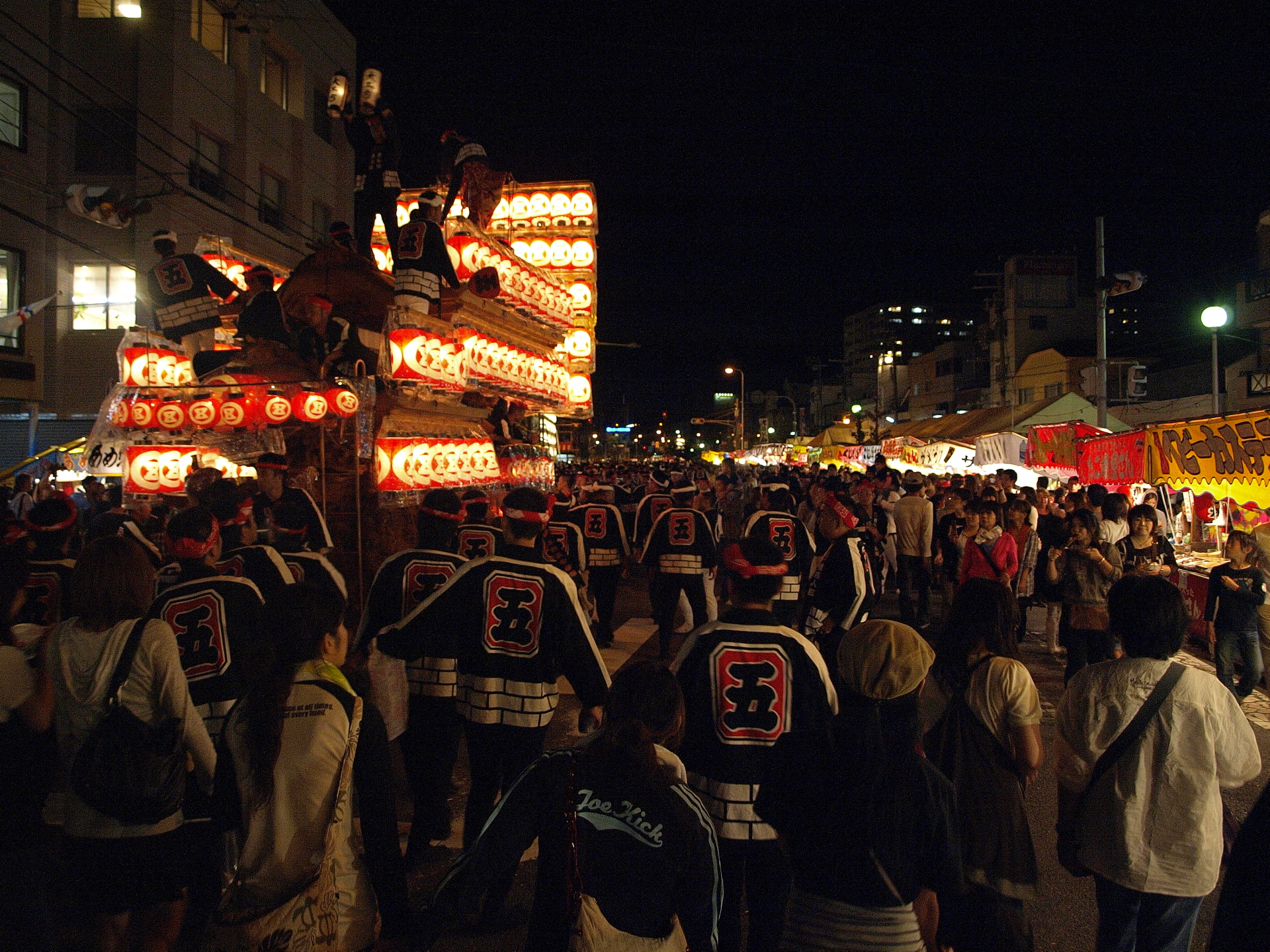
Little knownKishiwada Danjiri Matsuri (岸和田だんじり祭) is Osaka's most thrilling festival — teams of 100+ men pull 4-ton wooden floats (da…
 Camodr25 / CC BY-SA 4.0
Instant Ramen Museum
Locally knownCupnoodles Museum Osaka Ikeda (カップヌードルミュージアム 大阪池田) celebrates the invention of instant ramen by Momofuku Ando in 1958 an…