
Kishiwada Danjiri Matsuri
Researched and written by Hinato
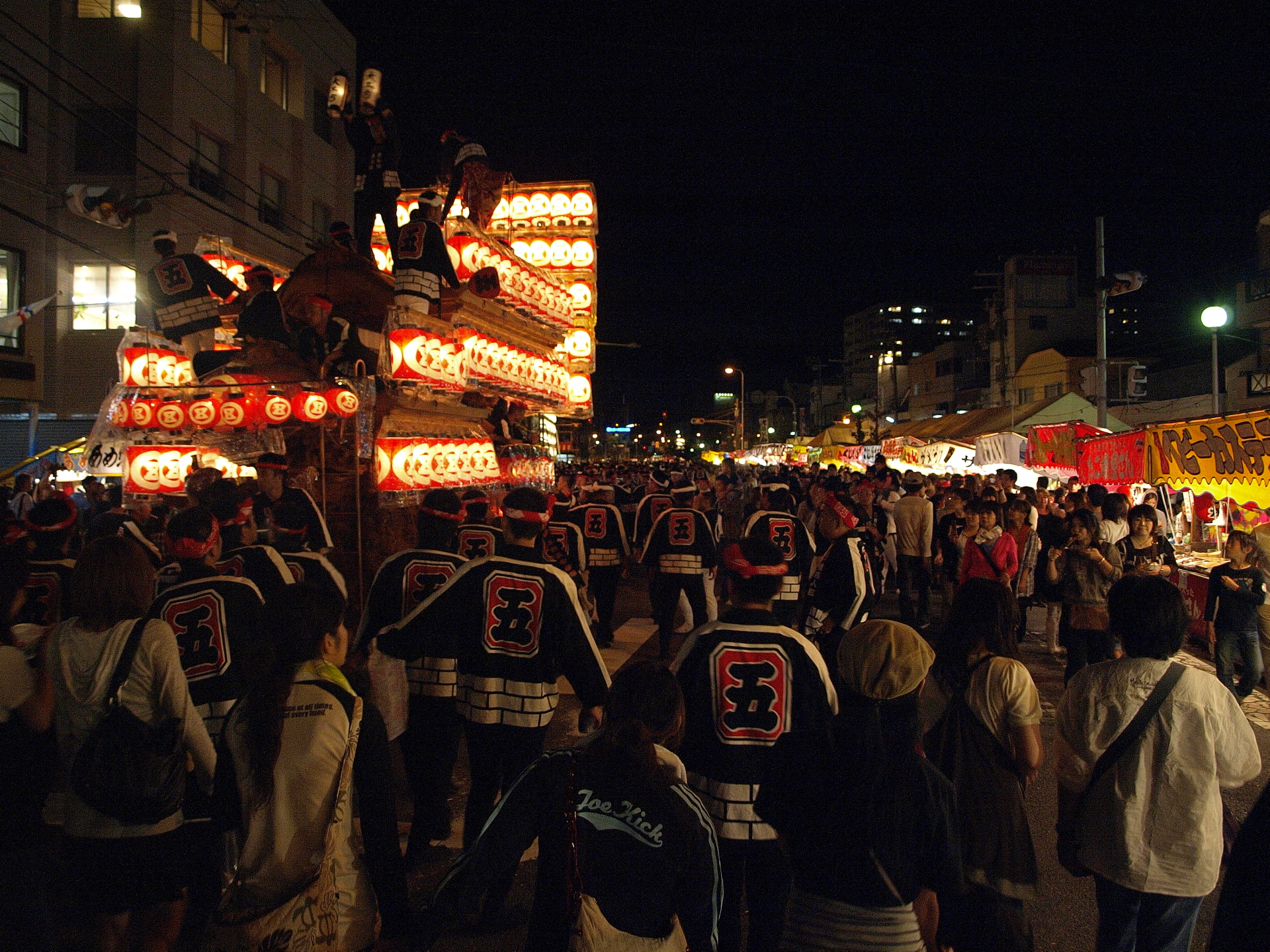
Photo: Kounosu / Wikimedia Commons (CC BY-SA 3.0) · original
Kishiwada Danjiri Matsuri has outlasted the version of Osaka it was originally built for, and it shows.
Kishiwada Danjiri Matsuri (岸和田だんじり祭) is Osaka's most thrilling festival — teams of 100+ men pull 4-ton wooden floats (danjiri, 地車) through narrow streets at running speed, executing 90° turns by lifting and swinging the floats' rear ends. The festival's danger (injuries common, occasional fatalities) and intensity (teams train year-round for September festival) create extreme spectator excitement.
The modern incarnation emphasizes speed, precision, and danger — young men leap onto moving danjiri to dance on the roofs while floats careen through turns. The festival represents Osaka's working-class machismo and neighborhood pride.
Visiting essentials
How long to allow
Full day for festival | Arrive at Kanjomae intersection by 8:00 AM for best position
Best season
September festival weekend only | Year-round: Kishiwada Castle and historic district viewable
Hours
Annual festival: September weekend | Festival runs 6:00 AM – 10:00 PM both days
Closed: Event held only during September festival weekend | Check annually for exact dates
Admission
Free to watch from streets | Paid seating: ¥5,000–10,000 (book months in advance)
How to reach it
Access notes
Beyond the guidebook
Nearby Spots
The closest hidden gems to Kishiwada Danjiri Matsuri, by straight-line distance.
 Illustration — not a photograph
Daisen Kofun
Well knownDaisen Kofun (大仙古墳), also known as Emperor Nintoku's Tomb, is the world's largest tomb by area — a 486-meter keyhole-sha…
 Illustration — not a photograph
Sakai Traditional Knife Workshop
Locally knownMaster Nakamura's hands are scarred from 47 years of knife-making — pale white lines across his knuckles from where blad…
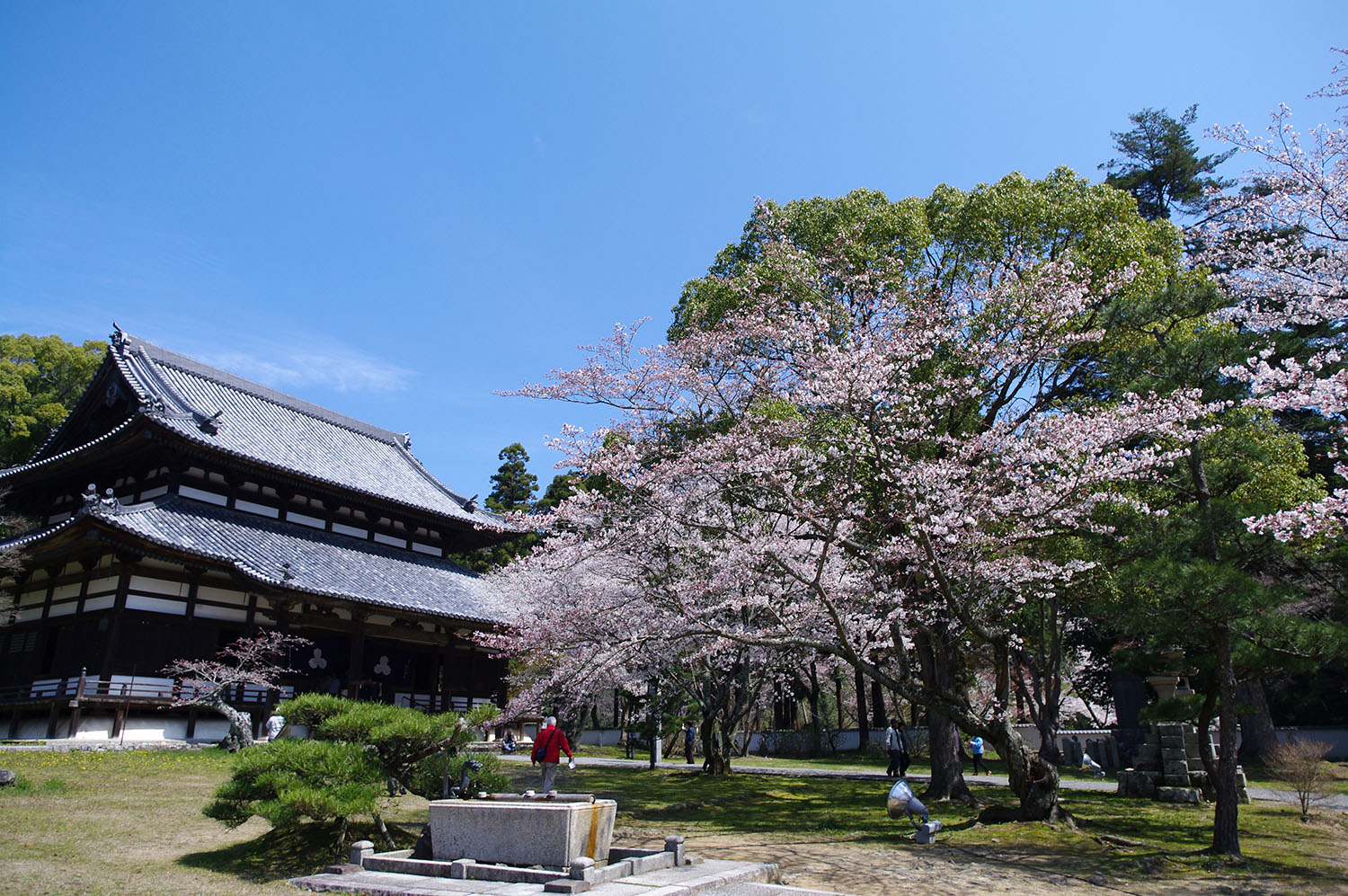 Kumamushi / CC BY-SA 3.0
Negoroji (Iwade)
Locally knownNegoroji was, at its height in the sixteenth century, a monastic complex of some two thousand buildings with an armed fo…
 Wei-Te Wong from Taipei City, Taiwan, Republic of China / CC BY-SA 2.0
Sumiyoshi Taisha
Locally knownSumiyoshi Taisha (住吉大社) is one of Japan's oldest Shinto shrines (founded 211 CE), predating Buddhist influence in Japan.…
Osaka Bay Night Cruise
Locally knownOsaka Bay evening cruises depart from Tempozan Harbor Village passing illuminated landmarks: Tempozan Ferris Wheel (worl…
 Tomokazu Kitjaima / CC BY-SA 3.0
Osaka Aquarium Kaiyukan
Well knownOsaka Aquarium Kaiyukan (海遊館) is one of the world's largest aquariums, featuring a massive 5,400-ton Pacific Ocean tank…
More in Osaka
 iloverjoa / CC BY 3.0
Tennoji Zoo
Little knownTennoji Zoo (天王寺動物園) opened in 1915 as Japan's third zoo, housing 1,000+ animals from 180+ species on 11 hectares. The z…
 lienyuan lee / CC BY 3.0
Shitennoji Temple
Well knownShitennoji (四天王寺) was founded in 593 CE by Prince Shotoku, making it one of Japan's oldest Buddhist temples and the firs…
 Illustration — not a photograph
Abeno Harukas
Locally knownAbeno Harukas (あべのハルカス) is Japan's tallest building at 300 meters (60 floors), opened in 2014. The top three floors (58F…