
Osaka Municipal Museum of Art
Researched and written by Hinato
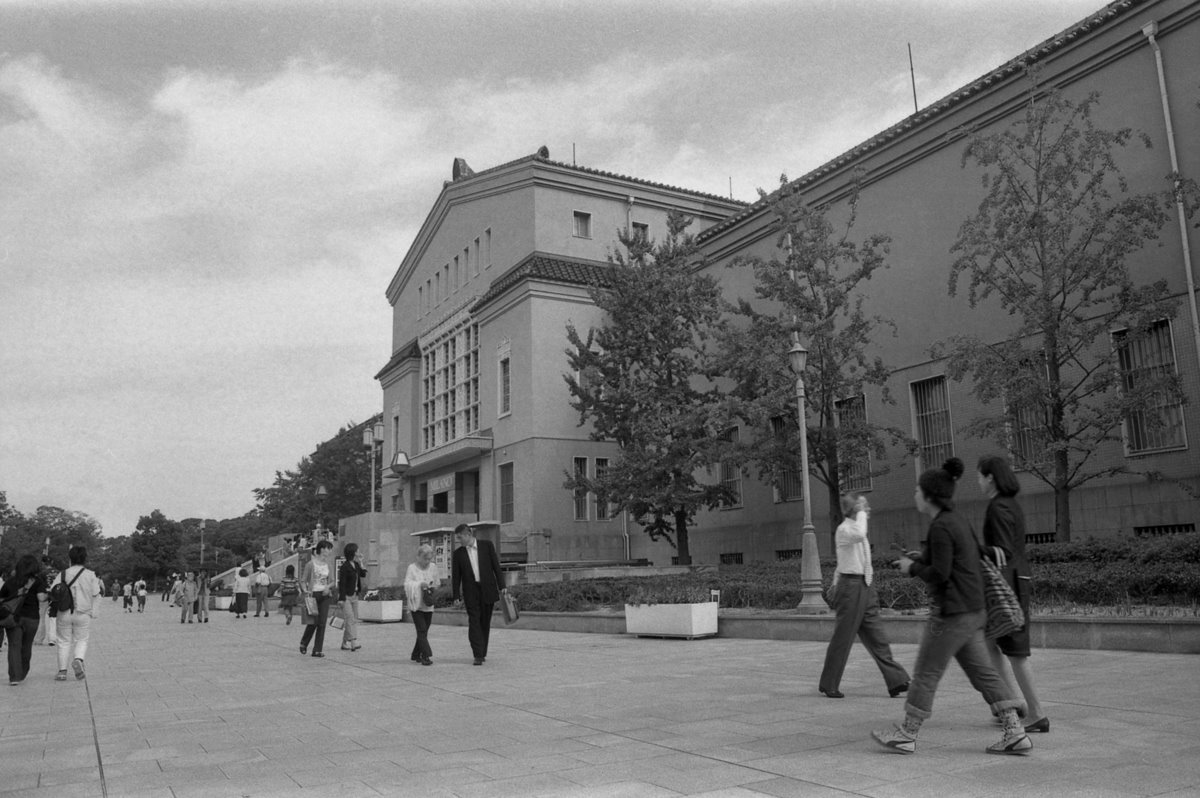
Photo: shikabane taro / Wikimedia Commons (CC BY 3.0) · original
Osaka Municipal Museum of Art is part of why Osaka rewards travelers who read a little before they show up.
Osaka Municipal Museum of Art (大阪市立美術館) in Tennoji Park houses Japan's classical art collection: 8,000+ pieces including Chinese ceramics (Song-dynasty celadon, Ming-era blue-and-white porcelain), Japanese paintings (Muromachi Buddhist scrolls, Edo-period screens), sculptures, and calligraphy. The museum's permanent collection rivals Kyoto and Tokyo museums but receives less tourist attention — meaning fewer crowds and more contemplative viewing.
The museum building (1936, neo-Renaissance style) is architecturally significant. The collection emphasizes pieces from wealthy Osaka merchant families (Abe collection of Chinese art is core) donated over decades. Special exhibitions (¥1,000–2,000 additional) feature international loans and thematic shows changing quarterly.
Visiting essentials
How long to allow
90–120 minutes
Best season
Year-round
Hours
9:30 AM – 5:00 PM (last entry 4:30 PM)
Closed: Mondays (Tuesday if Monday is public holiday) | New Year period
Admission
¥300 (permanent collection) | ¥1,000–2,000 (special exhibitions)
How to reach it
Getting there in detail
Historical notes & tips
Nearby Spots
The closest hidden gems to Osaka Municipal Museum of Art, by straight-line distance.
 iloverjoa / CC BY 3.0
Tennoji Zoo
Little knownTennoji Zoo (天王寺動物園) opened in 1915 as Japan's third zoo, housing 1,000+ animals from 180+ species on 11 hectares. The z…
 そらみみ / CC BY-SA 4.0
Spa World
Locally knownSpa World (スパワールド世界の大温泉) in Shinsekai is an 8-floor onsen (hot spring) complex themed around world bathing cultures — Eu…
 Ajay Suresh from New York, NY, USA / CC BY 2.0
Kushikatsu Deep Dive
Well knownKushikatsu (串カツ, 'skewer cutlet') goes beyond simple deep-fried food — it's Osaka working-class culture made edible. The…
 Illustration — not a photograph
Shinsekai & Tsutenkaku Tower
FamousShinsekai (新世界, 'New World') is Osaka's retro entertainment district built in 1912, designed to evoke Paris (northern se…
 lienyuan lee / CC BY 3.0
Shitennoji Temple
Well knownShitennoji (四天王寺) was founded in 593 CE by Prince Shotoku, making it one of Japan's oldest Buddhist temples and the firs…
 Illustration — not a photograph
Abeno Harukas
Locally knownAbeno Harukas (あべのハルカス) is Japan's tallest building at 300 meters (60 floors), opened in 2014. The top three floors (58F…
More in Osaka
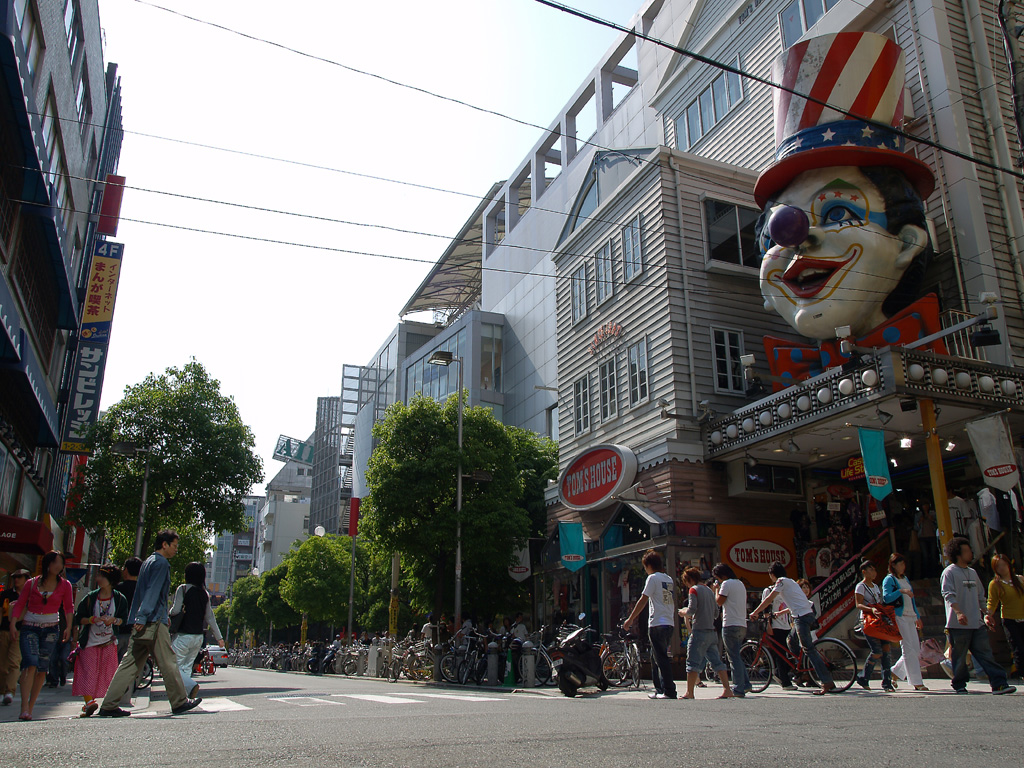 W236 at Japanese Wikipedia / CC BY-SA 3.0
America-Mura
Well knownAmerica-Mura (アメリカ村, 'America Village') is Osaka's youth fashion and subculture district, centered around Triangle Park…
 Choi2451 / CC BY-SA 3.0
Hozenji Yokocho
Locally knownHozenji Yokocho (法善寺横丁) is a narrow 80-meter stone-paved alley lined with traditional restaurants, bars, and the moss-co…
 kanesue / CC BY 3.0
Nakanoshima
Locally knownNakanoshima (中之島, 'island in the middle') is a 3km sandbar island between two rivers (Dojima and Tosabori) forming Osaka…