
Nabeshima Domain Ceramics Research Center
Researched and written by Hinato

What Nabeshima Domain Ceramics Research Center looked like originally and what it looks like now are two different stories — both worth knowing before you arrive.
Walk into the Saga Ceramics Research Center on a Thursday morning and you might find three white-haired men bent over a 280-year-old plate, arguing in technical Japanese about whether the underglaze was fired at 1,240°C or 1,260°C. One is a retired kiln master from Okawachiyama who spent forty years throwing Nabeshima reproductions. Another curates the ceramics collection at Kyushu National Museum. The third owns seventeen documented Nabeshima pieces and flies in from Osaka twice a year to cross-reference firing marks.
This is not a museum. It's a working research facility that maintains the world's only comprehensive technical database on Nabeshima porcelain — 6,247 pieces documented with clay analysis, glaze recipes reconstructed through spectrographic analysis, and firing logs that track every recorded kiln from 1628 to 1871. The center occupies two floors of an unremarkable municipal building in Arita. Visiting requires appointment, ceramics background, and specific research questions. Tourists looking for pretty plates will be politely redirected to the showrooms downtown.
What you get in exchange: access to former Nabeshima kiln masters who can read a foot ring like a text and explain why this particular comb-tooth pattern indicates the piece was fired in the Nabeshima family's private kiln between 1690–1710, not the official domain kiln ten years later. The staff includes five retired production potters whose combined 180 years at working kilns means they can identify technical shortcuts, reconstruction errors, and the specific hands of individual Edo-period throwers based on rim thickness variation measured in tenths of a millimeter.
The center's obscurity is itself part of what makes it valuable — because it isn't set up as a tourist attraction, the people who do make the effort to visit tend to be the ones who genuinely want the technical depth, and the researchers respond in kind, treating each appointment as a real exchange rather than a scripted tour. Its holdings exist because Nabeshima ware was historically restricted to the Nabeshima domain's own use and gifts to the shogunate, produced at a private kiln under conditions closer to a state secret than a commercial workshop, which is part of why the surviving pieces and records are rare enough to need a dedicated research body in the first place.
What to know before you go
When to go
Year-round by appointment | March for annual public lecture | Avoid Golden Week and August Obon when staff are on leave
Opening hours
By appointment only: weekdays 9:00 AM – 5:00 PM | Annual public lecture (mid-March Saturday): 10:00 AM – 3:00 PM | Not open for walk-in visits
Closed: Weekends and public holidays | Summer Obon (mid-August) and New Year (Dec 29–Jan 3) | Appointment required 2–4 weeks in advance
Time to allow
Research visit: 2–4 hours (depending on research depth) | Lecture attendance: 5 hours (10:00–15:00) | Allow travel time from Arita Station
Fee
Research visits: free | Annual March lecture: ¥2,000 | English interpretation at lecture: ¥5,000 additional (request 3 weeks ahead) | No commercial tours or group visits
Finding your way there
Access notes
Full directions & timing
Nearest Station
JR Arita Station (Matsuura Railway) — 15-min walk or 5-min taxi to Arita town center | From Hakata (Fukuoka): 90-min limited express to Arita
Travel Time
From Fukuoka (Hakata): 90-min limited express Midori or Huis Ten Bosch | From Nagasaki: 90-min Kamome limited express | Exact address provided upon appointment confirmation
How to Get There
Train: JR Matsuura Railway to Arita Station, then walk or taxi | Car: 60 min from Fukuoka via Nishi-Kyushu Expressway (free parking in Arita) | Rental car from Fukuoka recommended for combining with Okawachiyama kiln district (15-min drive from Arita)
Best Time to Visit
9:00–11:00 AM slots tend to get more senior researcher attention | Weekday mornings (Tuesday–Thursday) when research staff fully present | March lecture: attend to meet Japan's leading Nabeshima scholars
Crowd Avoidance Tips
Maximum 3–4 visitors at a time | Casual tourists are redirected to Arita Porcelain Park and downtown showrooms | Serious ceramics researchers and collectors prioritized for appointments | The center turns down far more requests than it accepts
Parking Information
Arita town center: free street parking | JR Arita Station parking: free | Exact facility address (and parking guidance) provided in appointment confirmation email
Beyond the guidebook
Book Your Stay Nearby
Find accommodation close to Nabeshima Domain Ceramics Research Center on these trusted booking platforms:
Nearby Spots
The closest hidden gems to Nabeshima Domain Ceramics Research Center, by straight-line distance.
 そらみみ / CC BY-SA 4.0
Arita Porcelain
Little knownArita is the birthplace of Japanese porcelain — in 1616, the Korean potter Yi Sam-pyeong discovered white clay suitable…
そらみみ / CC BY-SA 4.0Arita Porcelain Fair
Little knownThe Arita Ceramic Fair, held every year from April 29 to May 5 (Golden Week), is the largest porcelain sale event in Jap…
 そらみみ (Soramimi) / CC BY-SA 4.0
Arita Porcelain Park
Little knownArita Porcelain Park recreates a Zwinger Palace-style baroque building (the model for Meissen porcelain's original home…
 Nesnad / CC BY 4.0
Hasami Porcelain
Little knownHasami Town, adjacent to Arita but in Nagasaki Prefecture, has produced porcelain for 400 years using the same clay sour…
Okawachiyama
Little knownOkawachiyama is a narrow valley 10km from Imari City that was deliberately sealed from the outside world in the 17th cen…
 Olegushka / CC BY-SA 4.0
Imari Port
Little knownImari Port, on the western coast of Saga Prefecture, was the shipping point for all Arita porcelain exported to Europe t…
More in Saga
 そらみみ / CC BY-SA 4.0
Yoshinogari Historical Park
Well knownYoshinogari is the most significant archaeological site in Japan for understanding the Yayoi period (300 BC–300 AD) — th…
 TsuruSho7 / CC BY 4.0
Hamanoura Rice Terraces
Little knownThe Hamanoura rice terraces, on the western coast of Kyushu facing the Genkai Sea, are ranked among Japan's 100 most bea…
 STA3816 / CC BY-SA 3.0
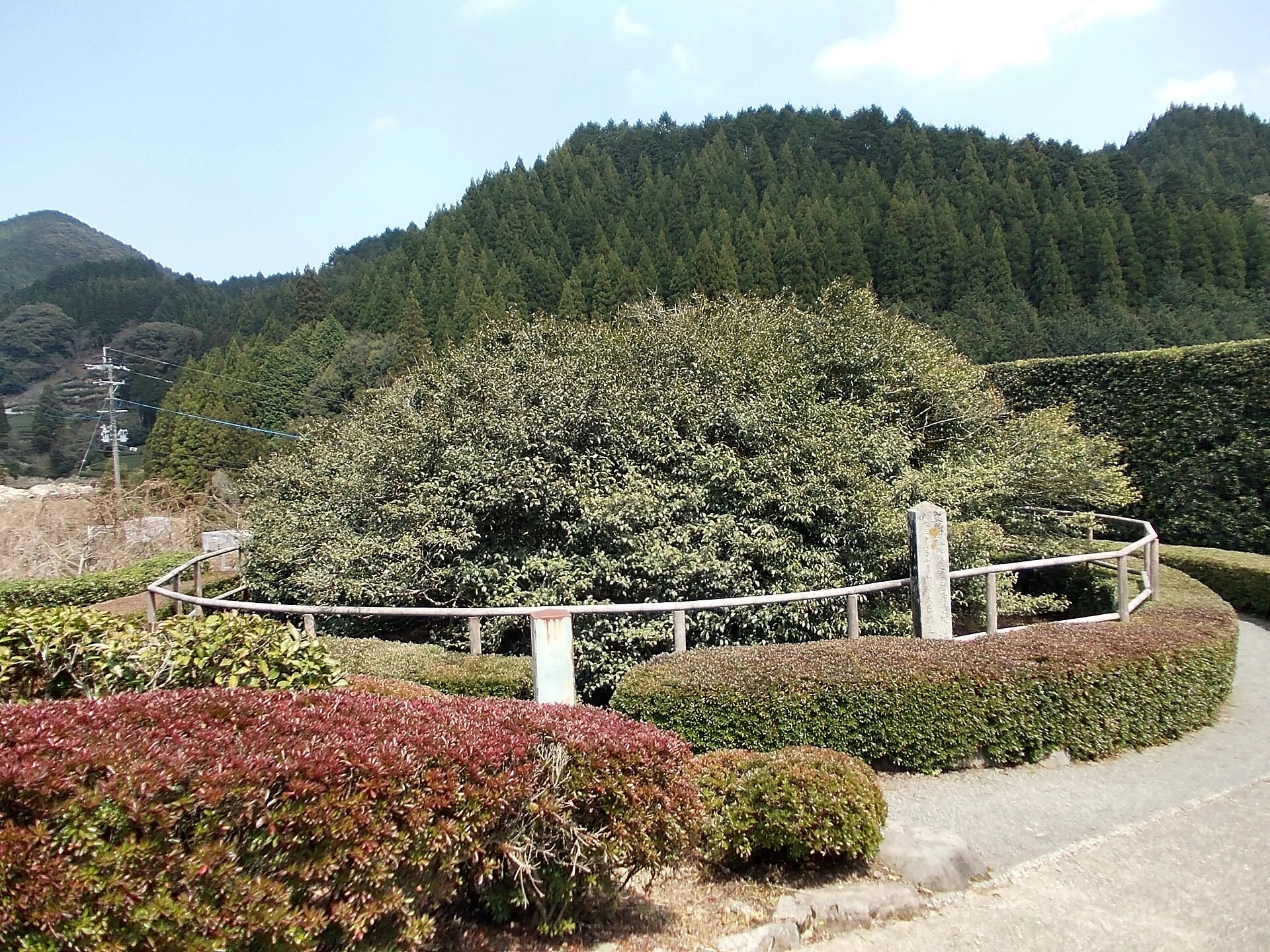
Ureshino Tea
Little knownUreshino-cha is the collective name for teas grown in the mineral-rich hills around Ureshino Onsen — a tradition establi…