
Hamanoura Rice Terraces
Researched and written by Hinato

Photo: TsuruSho7 / Wikimedia Commons (CC BY 4.0) · original
Saga has plenty of scenery; Hamanoura Rice Terraces is the kind that's worth planning a whole day around.
The Hamanoura rice terraces, on the western coast of Kyushu facing the Genkai Sea, are ranked among Japan's 100 most beautiful terraced rice fields — a recognition of both their scale (over 300 individual terraces climbing the hillside) and their seasonal perfection. In mid-April through early May, the paddies are flooded for transplanting; the sun setting over the Genkai Sea reflects in hundreds of individual water mirrors simultaneously, creating a visual effect of cascading light that photography websites describe as 'the staircase to the sun.'
Visiting essentials
Best season
April 15–May 5 when terraces are flooded for water-mirror sunset effect | Clear sky required for sunset reflection
How long to allow
1–2 hours (sunset viewing)
Hours
Open year-round (outdoor viewpoint)
Closed: Open year-round
Entry fee
Free
Finding your way there
Directions
What to bring
Nearby Spots
The closest hidden gems to Hamanoura Rice Terraces, by straight-line distance.
 nesnad / CC BY 3.0
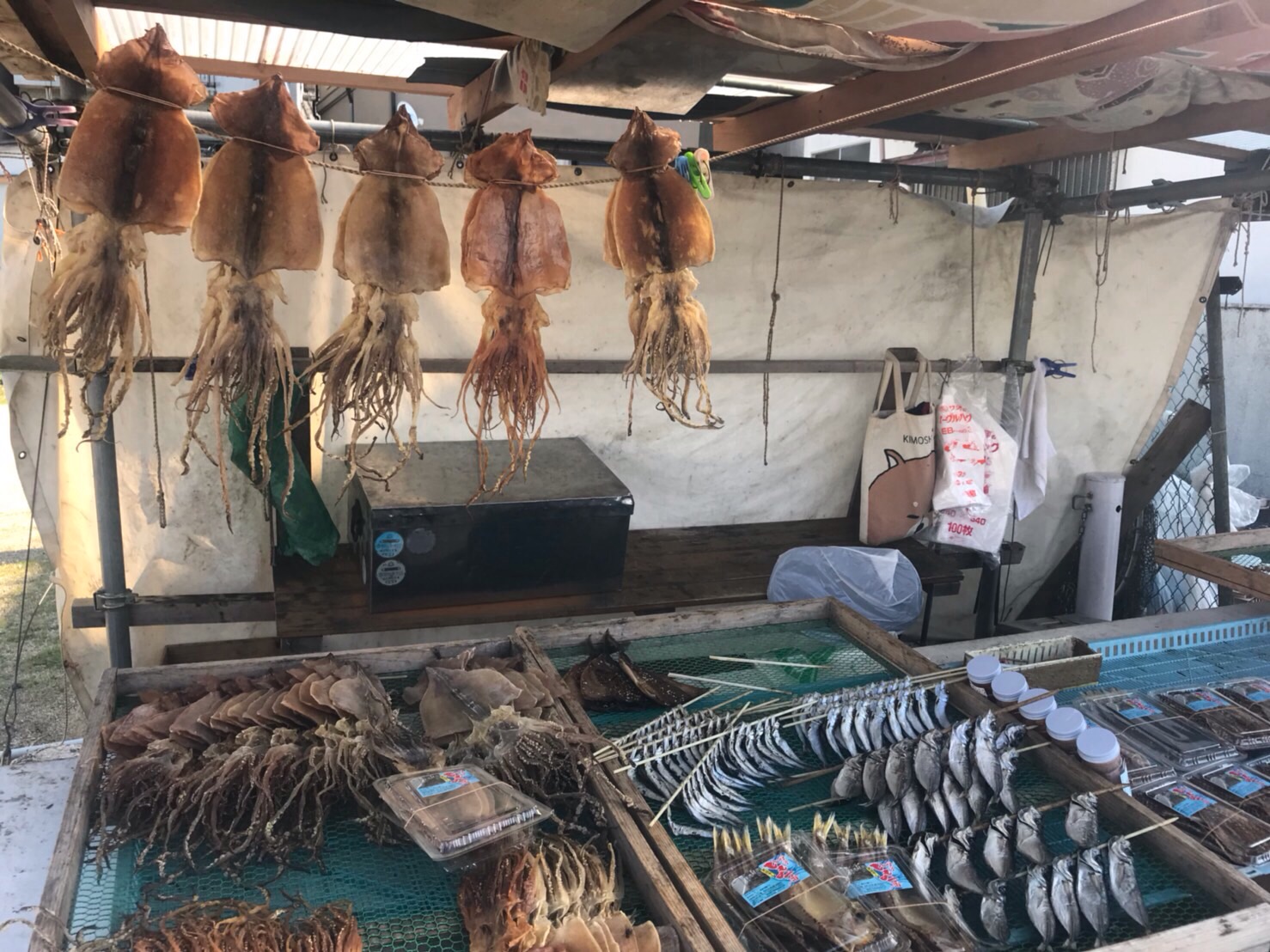
Yobuko Morning Market
Little knownYobuko is a tiny fishing port at the northern tip of the Higashimatsuura Peninsula, accessible only by car from Karatsu,…
Higashimatsuura Peninsula Cycling Route
Little knownThe Higashimatsuura Peninsula, north of Karatsu, is a 40km circuit of dramatic coastal scenery accessible by bicycle — r…
 veroyama / CC BY-SA 2.0
Niji-no-Matsubara
Little knownNiji-no-Matsubara is a 5km arc of coastline planted with approximately 1 million black pine trees — one of Japan's 'thre…
Nijinomatsubara Seaside Cycling
Little knownThe Niji-no-Matsubara pine grove fronts a 5km bicycle lane alongside the beach, rated by Cycling magazine as one of Japa…
 そらみみ / CC BY-SA 4.0
Karatsu Castle
Little knownKaratsu Castle (1608) stands on a pine-covered promontory directly above the mouth of the Matsuura River, with three sid…
 Pekachu / CC BY-SA 4.0
Hikiyama Exhibition Hall
Little knownThe Hikiyama Exhibition Hall stores all 14 Karatsu Kunchi festival floats in climate-controlled cases when not in use du…
More in Saga
Mifuneyama Autumn Maple Forest Walk
Little knownThe maple forest on the slopes below Mifuneyama's granite cliff face contains 4,000 Japanese maple trees (momiji) that t…
Sefuri-san Mountain
Little knownSefurisan (1,077m), on the border between Saga and Fukuoka prefectures, is the highest peak in northern Kyushu and carri…
Ureshino Onsen
Little knownUreshino Onsen is called 'bijin no yu' (beautiful woman's water) — the sodium bicarbonate-rich water has a slippery, sil…