
Daisen-ji Temple
Researched and written by Hinato

Daisen-ji Temple sits in Tottori the way most sacred sites in Japan do: unhurried, and easy to rush past if you don't know to slow down.
Daisen-ji Temple, established in 718 AD, served as the spiritual gateway to Mt. Daisen's sacred peak for over a millennium. At its height, the temple complex housed 3,000 monks and 100+ sub-temples, functioning as one of Japan's great centers of mountain Buddhism (Shugendo). Most buildings were destroyed in an 1854 fire, but the surviving structures — the Hondo (main hall), Amida-do (Amida Hall), and the massive Nio-mon gate — retain their spiritual gravitas and architectural power.
The approach to the main temple passes through a cedar forest so ancient and dense that even midday sun barely penetrates the canopy. Stone lanterns covered in moss line the path, and the air carries a cool, earthy scent. The main hall enshrines a secret Jizo Bosatsu statue never displayed to the public, yet the presence of this hidden deity creates a palpable atmosphere of mystery and reverence.
What to know before you visit
Opening hours
Temple grounds: 8:00 AM – 5:00 PM (dawn access from 6:00 AM for morning sutras)
Closed: Open year-round
When to go
Late October (yellow ginkgo leaves) | Winter (Dec–Mar, snow-covered cedar forest) | Year-round for morning sutra atmosphere
Admission fee
Temple grounds: Free | Treasure Hall (Homotsukan): ¥400 | Parking: ¥500/day
How long to allow
60-90 minutes (temple + cedar forest walk + treasure hall)
How to reach it
Getting there in detail
Beyond the guidebook
Nearby Spots
The closest hidden gems to Daisen-ji Temple, by straight-line distance.
 掬茶 / CC BY-SA 4.0
Mt. Daisen
Little knownMt. Daisen (1,729m) rises in near-perfect symmetry above the western Tottori plains, earning the nickname 'Mount Fuji of…
Daisen Milk & White Baracca
Little knownThe Daisen mountain foothills are home to several dairy farms that produce some of Japan's finest milk, cream, and soft-…
 Reggaeman / CC BY-SA 3.0
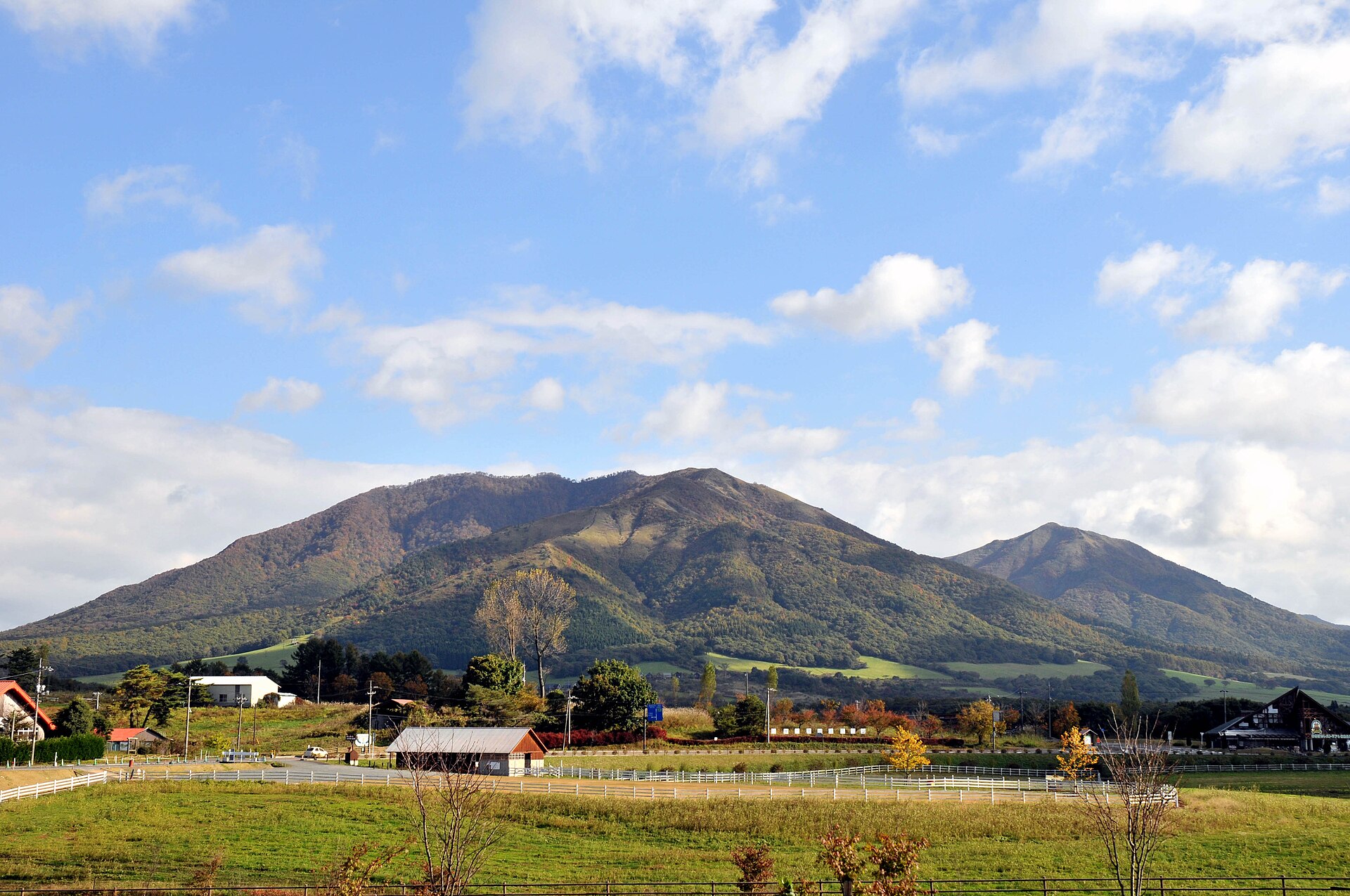
Ogamiyama Shrine Okunomiya
Locally knownThe approach to the mountain shrine of Ogamiyama is seven hundred metres of natural stone laid as paving — the longest s…
 Reggaeman / CC BY-SA 3.0
Hiruzen Highlands
Little knownHiruzen is a plateau at 500 to 600 metres under three peaks in Okayama's far north, and it is where roughly a fifth of e…
Yonago Gaina Festival
Little knownThe Yonago Gaina Festival, held every July, is western Japan's answer to the massive summer festivals of Tokyo and Osaka…
Yonago Castle Ruins
Little knownYonago Castle once stood as one of the most strategically important fortifications in western Japan, commanding views ov…
More in Tottori
 KASEI / CC BY-SA 4.0
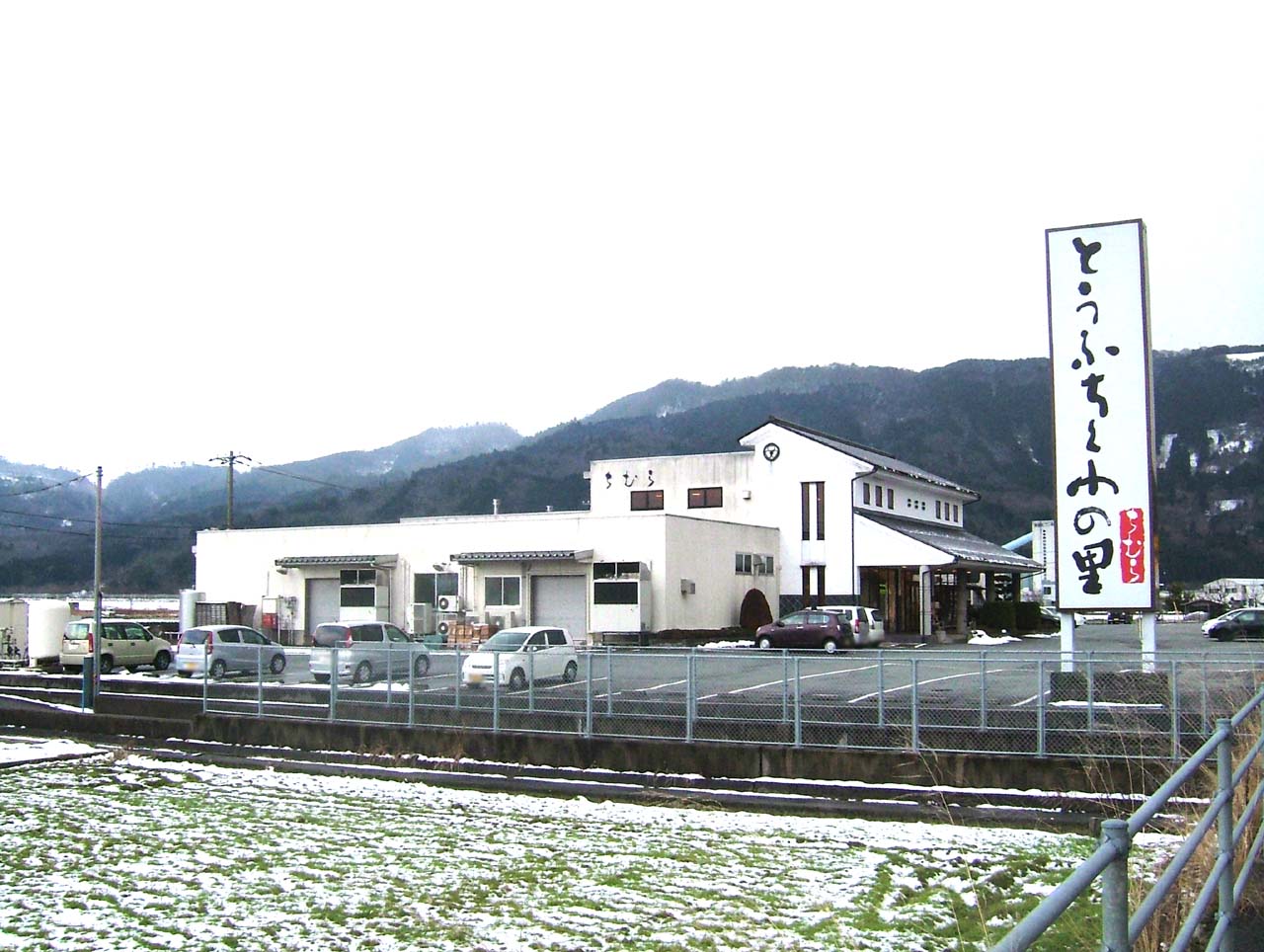
Tofu Chikuwa
Little knownChikuwa everywhere else in Japan is fish paste moulded round a stick and grilled. Tottori's is seven parts firm tofu to…
Karoichi
Little knownKaro is Tottori city's fishing port, two minutes from the sand dunes, and Karoichi is the market building beside it — a…
 663highland / CC BY 2.5
Enchoen
Little knownTottori has a sister-province relationship with Hebei, and in 1995 it built the largest authentic Chinese garden in Japa…