
Nara Park
Researched and written by Hinato

Photo: Andrew Currie / Wikimedia Commons (CC BY-SA 3.0) · original
Nara has plenty of scenery; Nara Park is the kind that's worth planning a whole day around.
Nara Park (奈良公園) is a 660-hectare park where over 1,200 wild sika deer roam freely among visitors, temples, and open meadows. The deer have been considered sacred messengers of Kasuga Taisha shrine since 768 AD and are designated a National Natural Treasure. They approach visitors for shika-senbei (鹿せんべい, deer crackers sold at ¥200 per pack) and bow politely when requesting food — a learned behavior passed through generations.
The park encompasses Todaiji Temple, Kasuga Taisha, Kofukuji Temple, and the Nara National Museum within its boundaries, creating Japan's most concentrated cluster of UNESCO World Heritage sites. The deer have free range across all areas, creating surreal encounters: deer lounging on temple steps, grazing beside ancient pagodas, and confidently approaching tourists. The deer population peaks at 1,400 in spring after fawning season. While generally gentle, deer can nip or headbutt if food is withheld — feeding etiquette requires commitment once crackers are purchased. The park's blend of nature, wildlife, and millennium-old architecture creates an atmosphere unlike anywhere else in Japan.
Our angle on Nara Park
Nobody else is going here
Everyone within a mile of Nara Park is going to Nara Park. Here are 4 places within walking or one bus ride of it that almost nobody writes about — straight-line distances from our own catalogue, not travel times.
- Kakinoha-zushiLocally known~0.0 km away · Nara
Kakinoha-zushi (柿の葉寿司) is Nara's signature pressed sushi: vinegared rice topped with mackerel, salmon, or sea bream, wra…
- Narazuke PicklesLocally known~0.0 km away · Nara
Narazuke (奈良漬) are vegetables pickled in sake kasu (酒粕, sake lees — the fermented rice solids left after sake brewing),…
- Nara SakeLocally known~0.0 km away · Nara
Nara is the birthplace of sake brewing's key innovations — monks at Shoryakuji Temple (菩提山正暦寺) invented the bodaimoto me…
- Nara Sumi Ink & Fude BrushesLocally known~0.0 km away · Nara
Nara produces 90% of Japan's traditional sumi ink (墨, solid ink sticks) and is a major center for fude (筆, calligraphy b…
Visiting essentials
Best season
Year-round (spring for cherry blossoms, autumn for maple foliage, June for fawns)
How long to allow
2-4 hours (park and deer feeding) | Full day if visiting all temples
Hours
Park: 24/7 (always open) | Deer crackers sold: 8:00 AM – 5:00 PM
Closed: No closures (park always open)
Entry fee
Free (deer crackers ¥200 per pack, temple admissions separate)
Getting there
Getting there in detail
Access in depth
Nearest Station
Kintetsu Nara Station (Kintetsu Nara Line) - 5 min walk | JR Nara Station (JR Yamatoji Line) - 20 min walk
Travel Time
From Kyoto: 45 min via Kintetsu Express | From Osaka: 50 min via Kintetsu Express | From Tokyo: 3 hours via Shinkansen to Kyoto + Kintetsu
How to Get There
Train: Take Kintetsu Nara Line from Kyoto to Kintetsu Nara Station (most convenient, 45 min, ¥680). Or JR Yamatoji Rapid from Osaka/Kyoto to JR Nara Station (50 min from Osaka). Bus: Direct buses from Kyoto Station and Osaka (Namba) to Nara Park area. Taxi: 20 min from JR Nara Station to main park area (¥1,500-2,000).
Best Time to Visit
Early morning (7:00-9:00 AM) when deer are most active and hungry, or late afternoon (4:00-6:00 PM). Weekday mornings quieter than weekends. June for newborn fawns.
Crowd Avoidance Tips
Weekdays significantly less crowded than weekends. Avoid spring (cherry blossom season) and autumn (foliage season) weekends when crowds triple. Early morning (before 9:00 AM) best for photography without tour groups. Deer are gentlest early morning before being overwhelmed by feeders.
Parking Information
County Office Parking: ¥1,000/day (500 spaces). Todaiji parking lot: ¥1,000/day. Limited spaces fill early on weekends. Public transport strongly recommended.
Beyond the guidebook
Book Your Stay Nearby
Find accommodation close to Nara Park on these trusted booking platforms:
Nearby Spots
The closest hidden gems to Nara Park, by straight-line distance.
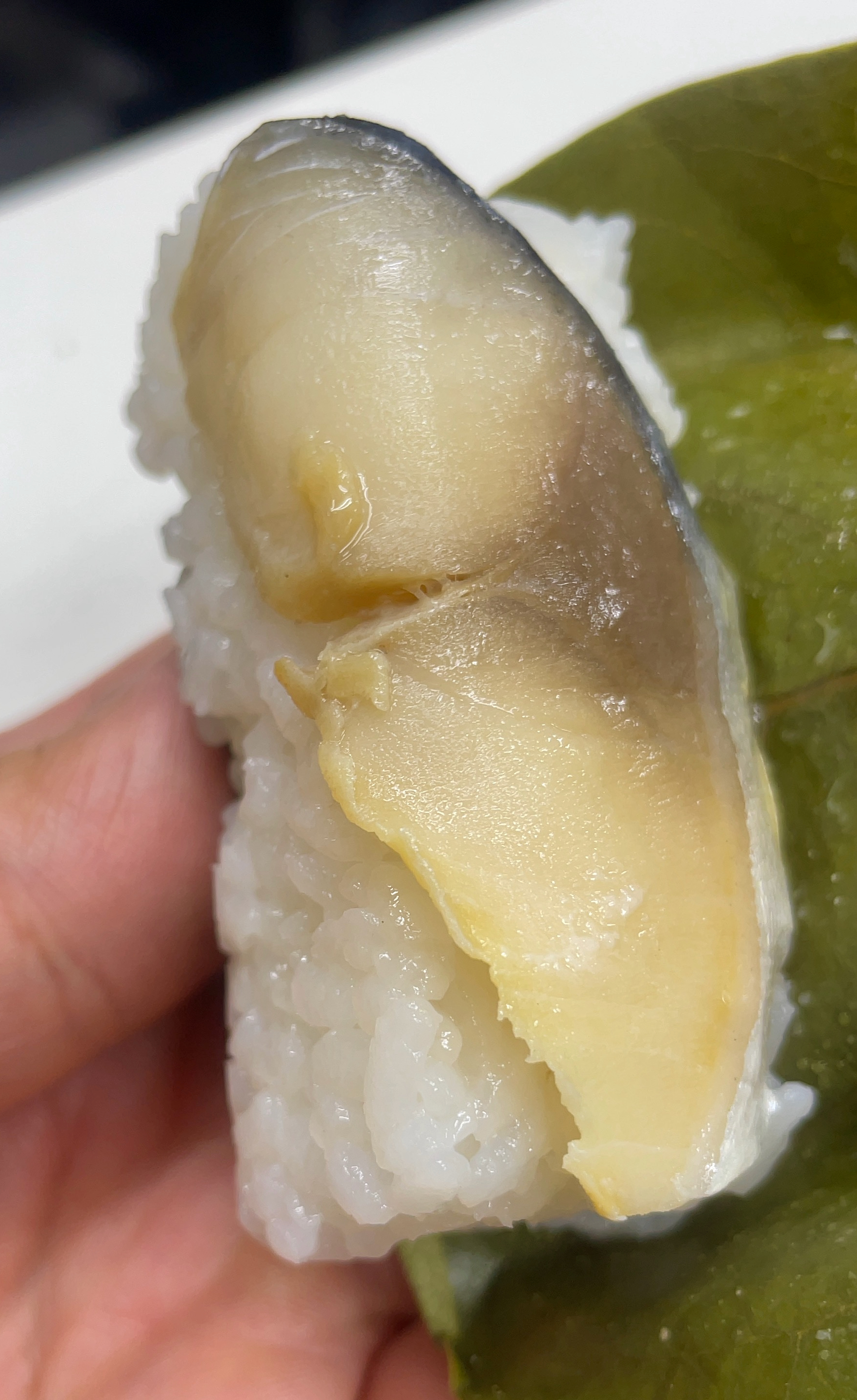 Kyu3a / CC BY-SA 4.0
Kakinoha-zushi
Locally knownKakinoha-zushi (柿の葉寿司) is Nara's signature pressed sushi: vinegared rice topped with mackerel, salmon, or sea bream, wra…
 daniel julià lundgren from barcelona, catalonia / CC BY-SA 2.0
Narazuke Pickles
Locally knownNarazuke (奈良漬) are vegetables pickled in sake kasu (酒粕, sake lees — the fermented rice solids left after sake brewing),…
Nara Sake
Locally knownNara is the birthplace of sake brewing's key innovations — monks at Shoryakuji Temple (菩提山正暦寺) invented the bodaimoto me…
 Illustration — not a photograph
Nara Sumi Ink & Fude Brushes
Locally knownNara produces 90% of Japan's traditional sumi ink (墨, solid ink sticks) and is a major center for fude (筆, calligraphy b…
 Illustration — not a photograph
Day Trip to Nara
Locally knownNara, Japan's capital from 710–794 CE, is from Osaka by train and offers one of Japan's best day trips. The city's main…
 Roman SUZUKI / CC BY 3.0
Heijo Palace Site
Well knownHeijo Palace (平城宮跡, Heijo-kyo) was the imperial palace during Nara's time as Japan's capital (710–784 AD), occupying 120…
More in Nara
 Illustration — not a photograph
Asuka Village
Little knownWhen you cycle through Asuka's rice paddies, granite boulders carved with geometric channels and stone slabs weighing 77…
 z tanuki / CC BY 3.0
Horyuji Temple
Well knownHoryuji (法隆寺) is a UNESCO World Heritage temple containing the world's oldest surviving wooden structures — the Main Hal…
 くろふね / CC BY 3.0
Yakushiji Temple
Well knownYakushiji (薬師寺) is a UNESCO World Heritage temple founded in 680 AD, famous for its twin pagodas flanking the Main Hall…