
Tsuyama Castle Ruins
Researched and written by Hinato

Photo: 津山市立図書館 Public Library of Tsuyama / Wikimedia Commons (CC BY 2.0) · original
A visit to Tsuyama Castle Ruins is easy to underplan — bring more time, and less certainty about what you'll find, than you'd expect.
Tsuyama Castle (津山城, Tsuyama-jō), also known as Kakuzan Castle, was once one of Japan's three greatest hilltop castles alongside Himeji and Matsuyama, renowned for its massive stone walls and complex multi-tiered defenses.
Despite the loss of wooden buildings, the castle ruins, now Kakuzan Park (鶴山公園), remain spectacular due to the intact stone walls that rise in dramatic tiers up the hillside, and approximately 1,000 cherry trees that bloom across the grounds each spring (late March–early April). The site is designated one of Japan's Top 100 Cherry Blossom Viewing Spots (日本さくら名所100選), and during peak bloom, the stone walls framed by pink cherry blossoms create breathtaking views. A reconstructed turret (備中櫓, Bicchu Yagura) was completed in 2005 using traditional techniques, offering interior exhibits and panoramic views of Tsuyama city. The ruins provide insight into Edo-period castle architecture and defensive strategy while serving as a beloved seasonal gathering place for hanami (cherry blossom viewing).
Visiting essentials
Best season
Late March–early April for 1,000 cherry trees and night illumination; November for autumn foliage against white turret walls
How long to allow
60 minutes for castle ruins circuit and reconstructed Bicchu Yagura turret
Hours
8:40 AM – 7:00 PM (April–September). 8:40 AM – 5:00 PM (October–March). Cherry blossom season (late March–early April): 7:30 AM – 10:00 PM with night illumination.
Closed: Open year-round
Entry fee
¥300. ¥400 during cherry blossom season (late March–early April).
Access route
Getting there in detail
What to bring
Nearby Spots
The closest hidden gems to Tsuyama Castle Ruins, by straight-line distance.
Tsuyama Horumon Udon
Little knownTsuyama has eaten beef offal since the Edo period, when the domain was permitted to keep producing yosaku medicinal beef…
 Phronimoi / CC BY-SA 3.0
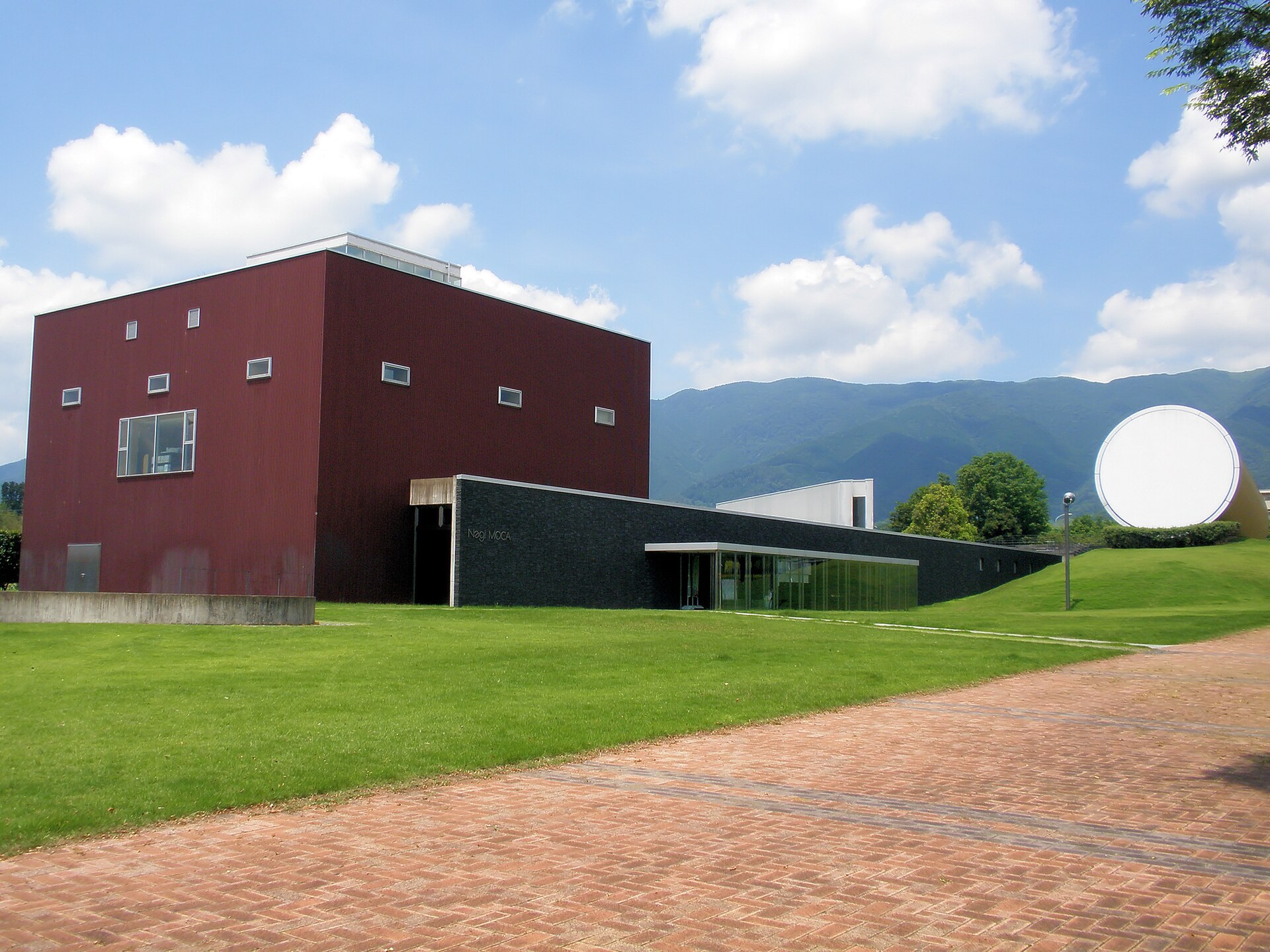
Nagi Museum of Contemporary Art
Little knownIsozaki Arata designed this museum in 1994 around three permanent works rather than around a collection, which is close…
Katsuyama Preservation District
Locally knownKatsuyama was a post town on the Izumo highway and became Okayama's first designated townscape preservation district in…
 Aimaimyi / CC BY-SA 3.0
Yubara Onsen Sunayu
Little knownSunayu is a set of open-air baths on the bed of the Asahi river, directly under the 73-metre wall of the Yubara dam, whe…
Itaibara Village
Locally knownItaibara is a small settlement in a fold of the mountains three kilometres north-east of Chizu, reached through a tunnel…
 663highland / CC BY 2.5
Ishitani Residence
Locally knownChizu was a post town on the Chugoku highway, the route the Tottori lords took to Edo, and the Ishitani were its wealthi…
More in Okayama
 Reggaeman / CC BY-SA 3.0
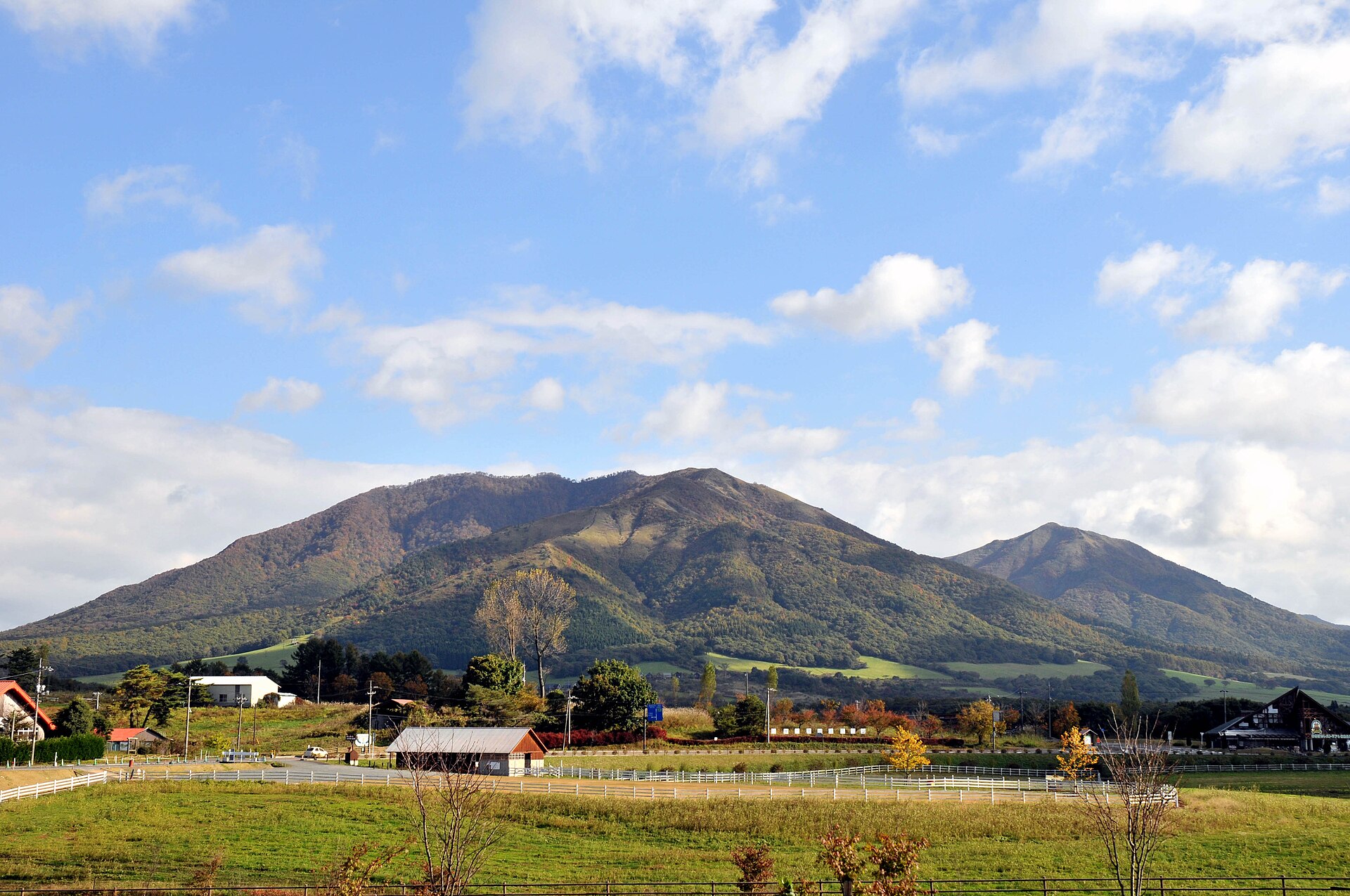
Hiruzen Highlands
Little knownHiruzen is a plateau at 500 to 600 metres under three peaks in Okayama's far north, and it is where roughly a fifth of e…
Kinojo
Little knownKinojo sits on a 397-metre ridge above the Kibi plain and is an ancient mountain fortress of a type built in western Jap…
 hajime / CC BY 3.0
Bitchu Kokubunji
Little knownThe five-storey pagoda at Bitchu Kokubunji is the only one in Okayama Prefecture and the fixed point of the Kibiji lands…