
Tsumago-juku
Researched and written by Hinato

Nagano keeps its history in places like Tsumago-juku rather than in museums about it.
Tsumago was a post station on the Nakasendo, the mountain road that linked Kyoto and Tokyo during the Edo period. When the railroad bypassed the Kiso Valley in the 1910s, Tsumago died economically, which is why it survived architecturally — no money to modernize, nothing to tear down and replace. In the 1960s, residents made a collective decision: no power lines, no modern signage, no cars in the central district, no selling out to developers. The result is a town that looks nearly identical to how it appeared 200 years ago.
Wooden buildings with dark lattice facades line a stone-paved street that curves gently uphill. Water channels run alongside the road, fed by mountain springs. Paper lanterns hang from eaves. The preservation is so thorough that film crews use Tsumago as a standing set for period dramas. Walking through at dusk, when the day-trippers have left and the lanterns are lit, the illusion is complete. You could be in 1830.
Several old inns still operate as minshuku, offering tatami rooms and home-cooked meals. You sleep on futon laid over tatami, wake to miso soup and grilled fish, spend the evening soaking in a cypress bath while rain hits the tile roof. The overnight experience is what makes Tsumago memorable — day visitors see the architecture, overnight guests live inside it for 12 hours and understand why preservation mattered to the residents.
Plan your visit
Hours
Town streets open 24/7 (no gates or entry times) | Tsumago Honjin (magistrate's residence): 9:00 AM – 5:00 PM (¥300 entry) | Tourist office/luggage forwarding: 8:00 AM – 5:00 PM | Minshuku inns open year-round (check-in 3:00 PM, checkout 10:00 AM)
Closed: Tsumago is open year-round | Honjin closed December 29 – January 3 | Luggage forwarding service operates April–November only
Time to allow
30 min (stroll through) | 3 hours (town + Honjin + lunch) | Overnight (full experience including evening lanterns and morning silence) | Full day with Tsumago–Magome trail hike (~3 hrs one-way)
Admission
Town entry: free | Tsumago Honjin: ¥300 | Minshuku lodging: ¥8,000–12,000/night with meals | Luggage forwarding Tsumago–Magome: ¥600/bag
Best time to visit
Autumn (late Oct–early Nov) for peak maple foliage | Spring (May) for fresh green and comfortable hiking | Winter (Jan–Feb) for snow-covered roofs and near-zero crowds
Finding your way there
Getting there in detail
Full directions & timing
Nearest Station
Nagiso Station (JR Chuo Line) — 10 min bus to Tsumago-juku (¥170, ~5 buses/day) | Nakatsugawa Station (JR Chuo Line) — closer to Magome-juku for the trail approach
Travel Time
From Nagoya Station: ~50 min (JR Chuo Line Limited Express to Nagiso) | From Matsumoto Station: ~60 min (JR Chuo Line to Nagiso) | From Tokyo Shinjuku: ~2.5 hours (JR Chuo Azusa to Nagiso)
How to Get There
Bus: From Nagiso Station, the community bus runs to Tsumago (~10 min, ¥170, ~5 departures/day — check schedule at station). Taxis available at Nagiso Station (¥1,200–1,500). Car: From Nagoya approximately 90 minutes via National Route 19 (Kiso Highway). Parking available at Tsumago roadside lot (free, 5-min walk to center). Cars prohibited in the town center. Hike from Magome: The 8km Nakasendo trail from Magome-juku to Tsumago takes 3 hours one-way — the traditional approach for serious travelers.
Best Time to Visit
Arrive before 9 AM or after 5 PM. Tour groups dominate 10 AM–4 PM. The town after 6 PM — when lanterns light and visitors thin out — is the most atmospheric time for overnight guests.
Crowd Avoidance Tips
Autumn weekends (late Oct–early Nov) are the busiest period with 5,000+ visitors/day and limited parking. Midweek visits and winter months offer the town largely to yourself. The narrow main street (300m) feels crowded when tour buses arrive — time your walk to miss the midday rush.
Parking Information
Free public parking lot outside the central preservation zone (5-min walk to town center). Cars are prohibited on the main historic street. Lot fills quickly on autumn weekends — arrive before 9 AM or park and walk from Nagiso Station.
What locals know
Book Your Stay Nearby
Find accommodation close to Tsumago-juku on these trusted booking platforms:
Nearby Spots
The closest hidden gems to Tsumago-juku, by straight-line distance.
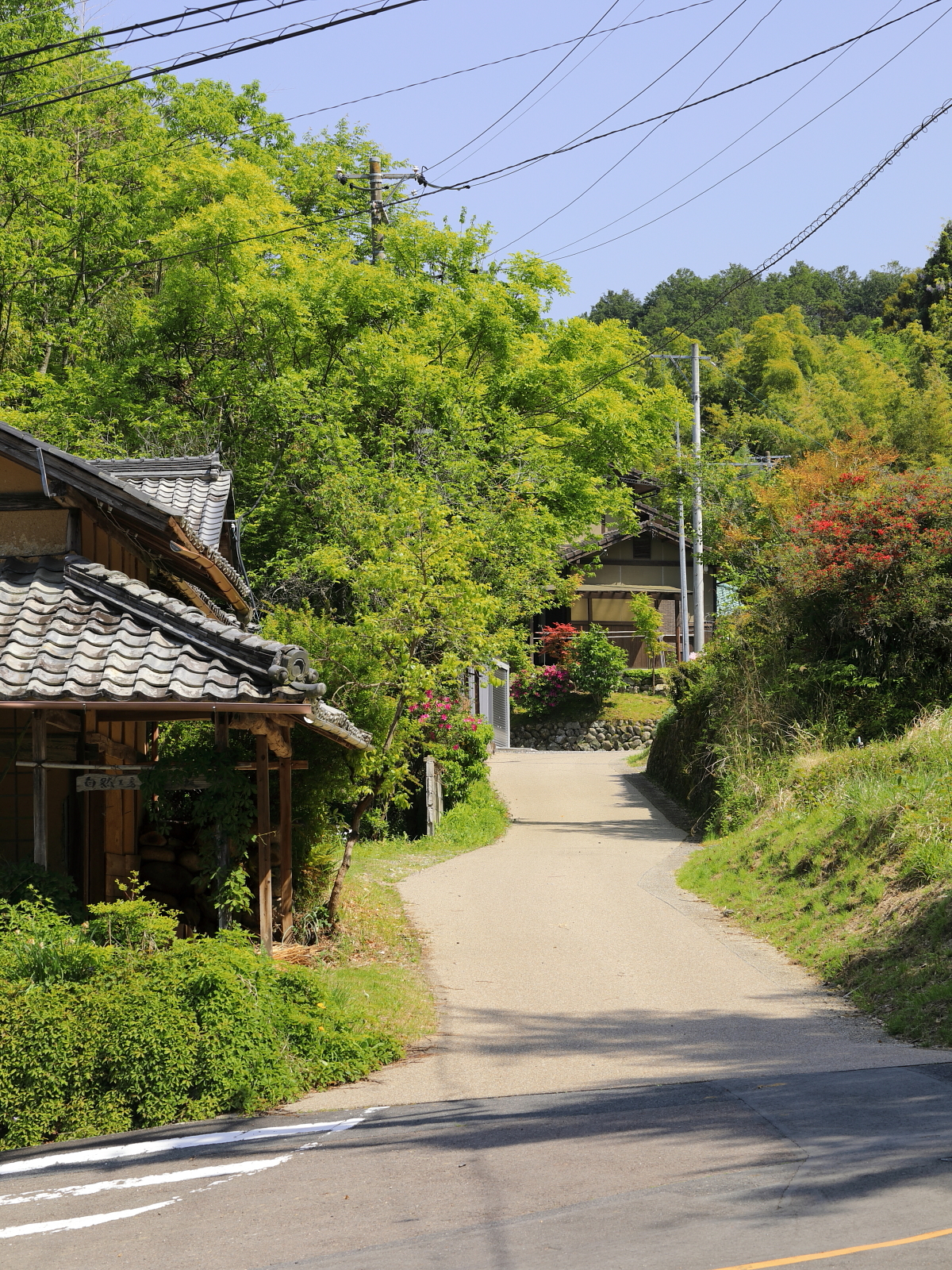 Tomio344456 / CC BY-SA 4.0
Magome to Tsumago Hike
Little knownThe Magome-Tsumago hike follows a 7.8km preserved section of the Nakasendo (中山道) — the Edo-period mountain route connect…
 z tanuki / CC BY 3.0
Magome-juku
Little knownMagome-juku (馬籠宿) is another Nakasendo post town, built on a steep hillside with dramatic views of the Kiso Valley and M…
 Illustration — not a photograph
Nakatsugawa Kurikinton
Little knownThe kurikinton of Nakatsugawa is not the glossy sweet-potato paste served at New Year elsewhere in Japan. It is chestnut…
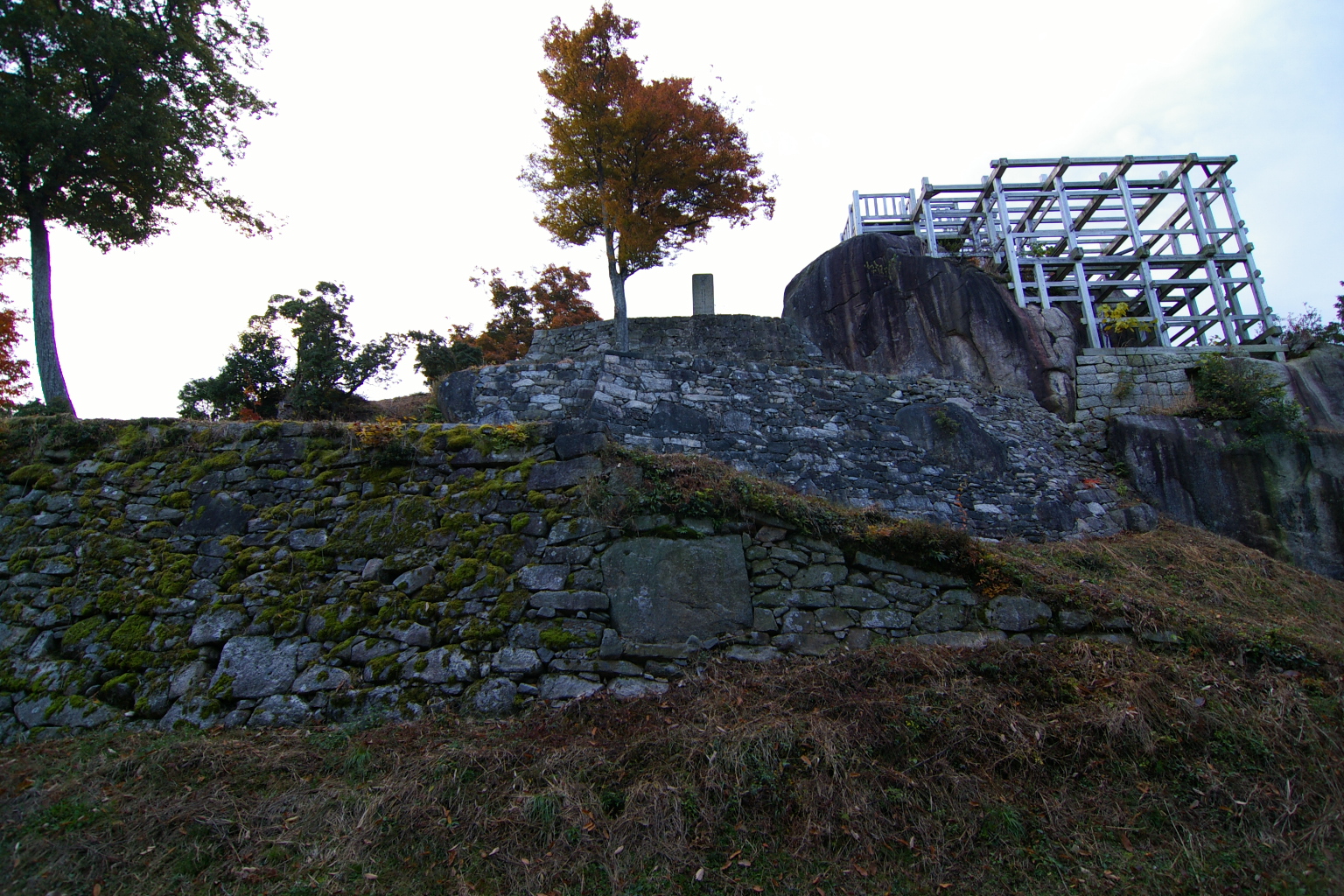 torao t / CC BY 3.0
Naegi Castle Ruins
Little knownNaegi was built on a granite outcrop above the Kiso river, and rather than clear the boulders the builders stacked their…
 Bariston / CC BY-SA 4.0
Tsukechi Gorge
Little knownThe Tsukechi river runs off the Kiso mountains over a granite bed, and where it cuts through the gorge the water is a gr…
Enakyo Gorge Cruise
Little knownEnakyo is the reservoir of the Oi dam, completed in 1924 as the first large concrete dam in Japan, which flooded a stret…
More in Nagano
Nagano Wine Country
Little knownNagano Prefecture has emerged as one of Japan's premier wine regions, with its high elevation (600–900m), volcanic soil,…
 663highland / CC BY-SA 4.0
Nakamachi Street
Well knownNakamachi (中町通り) is Matsumoto's former merchant district, lined with traditional kura storehouses built in the late 1800…
 Illustration — not a photograph
Matsumoto City Museum of Art
Well knownMatsumoto City Museum of Art (松本市美術館) is dedicated primarily to Yayoi Kusama, the avant-garde artist known for her polka…