
Tobe Pottery
Researched and written by Hinato

Tobe Pottery has outlasted the version of Ehime it was originally built for, and it shows.
Tobe-yaki is Ehime's signature ceramic style, characterized by thick white porcelain hand-painted with indigo-blue botanical designs. The pottery tradition began in 1777 when the local daimyo ordered kilns built in Tobe Town to produce everyday tableware. Today, over 100 pottery workshops and galleries cluster in Tobe, producing everything from traditional bowls to contemporary design pieces.
Visitors can tour workshops, watch artisans painting intricate designs, and participate in pottery-making classes where you hand-paint your own piece (shipped after firing).
Visiting essentials
How long to allow
60–90 minutes for hall visit and shopping. Add 60–90 minutes for pottery painting experience. Allow time to walk Tobe's main pottery alley and visit 3–4 studios.
Best season
Year-round. No seasonal crowds — Tobe is a working town rather than a tourist destination.
Hours
Drop-in painting classes: 9:30 AM – 4:00 PM.
Closed: Closed Mondays (or Tuesday if Monday is a public holiday). Closed December 29–January 3.
Admission
Traditional Industry Hall: ¥300 adults. Pottery painting experience: ¥1,500–3,000 (includes bisque piece, glazing, and firing). Domestic shipping ¥1,500, international ¥3,000+.
Reaching the site
Directions
Historical notes & tips
Nearby Spots
The closest hidden gems to Tobe Pottery, by straight-line distance.
 Maarten Heerlien from Voorschoten, The Netherlands / CC BY 2.0
Ishite-ji Temple
Locally knownIshite-ji is Temple #51 of the 88-temple Shikoku Pilgrimage, a large Buddhist complex featuring a towering three-story p…
Nanrakuen Garden
Locally knownNanrakuen is a traditional Japanese landscape garden built in 1688 for the lord of Matsuyama Domain, featuring seasonal…
 Miyuki Meinaka / CC BY-SA 4.0
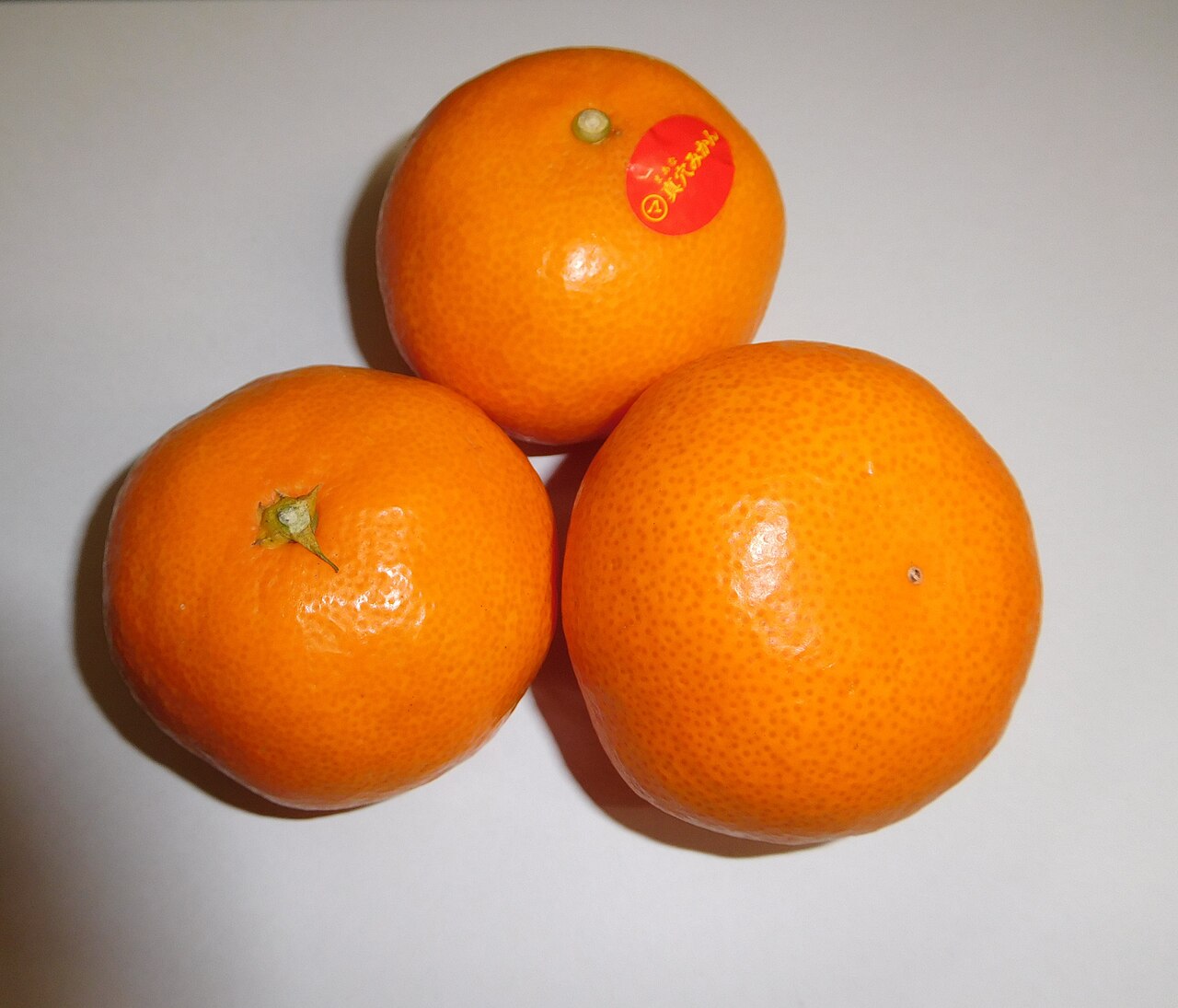
Ehime Mikan
Locally knownEhime Prefecture produces 20% of Japan's mikan (mandarin oranges), making citrus the region's defining agricultural prod…
 Daichan / CC BY-SA 3.0
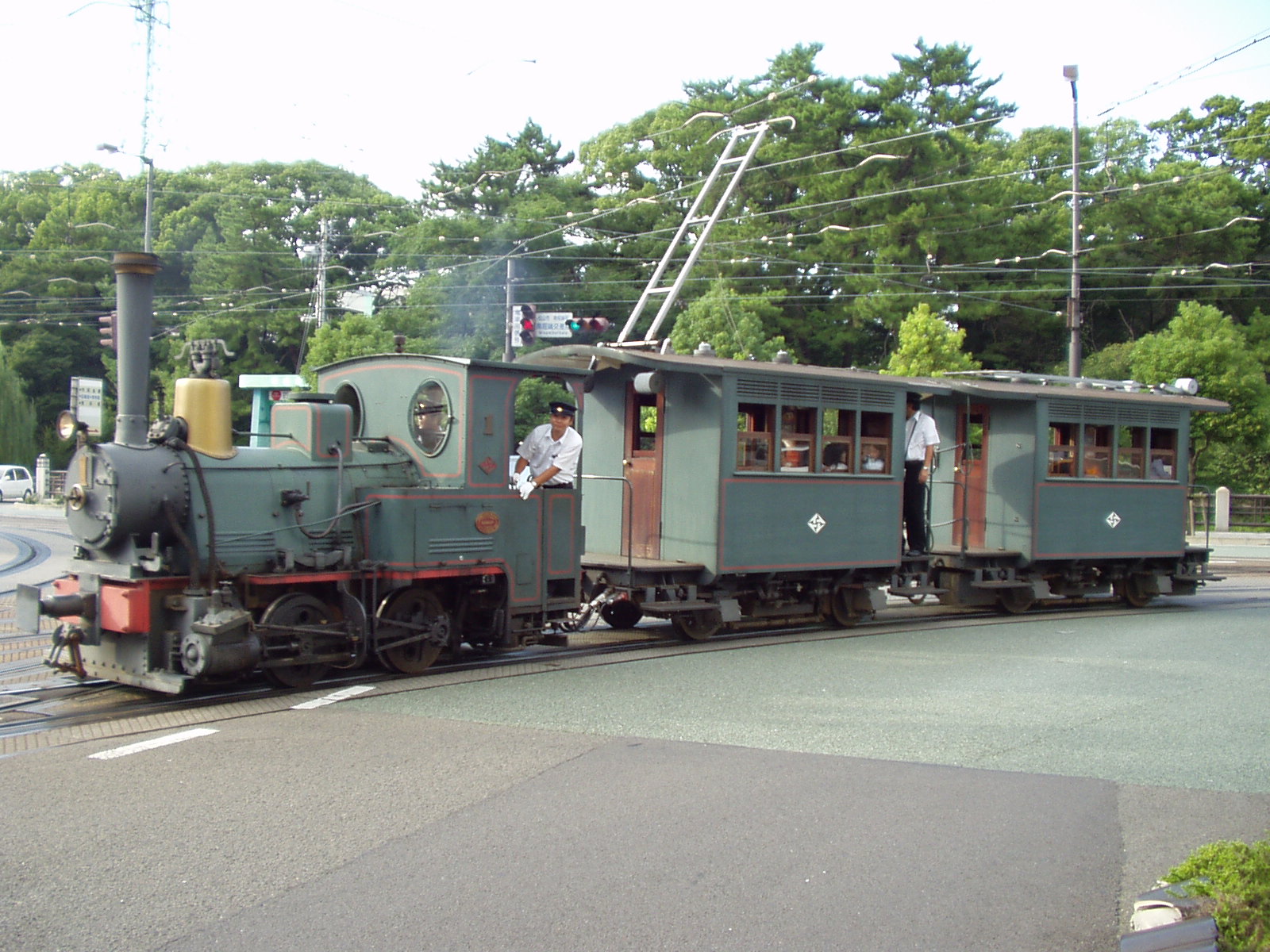
Botchan Ressha
Little knownThe Botchan Ressha is a restored vintage steam locomotive (actually diesel-powered replica) operating as a tourist tram…
 Fred Cherrygarden / CC BY-SA 4.0
Taimeshi
Locally knownTaimeshi (鯛めし, 'sea bream rice') is Ehime's signature dish, existing in two completely different regional styles: Matsuy…
 円周率3パーセント / CC BY-SA 4.0
Jakoten
Locally knownJakoten (じゃこ天) is Ehime's signature fish cake made from small fish (jako — tiny sardines or anchovies) ground whole with…
More in Ehime
Ozu Castle Town
Little knownOzu is a well-preserved castle town along the Hijikawa River, featuring Edo-period merchant houses, samurai residences,…
 Asturio Cantabrio / CC BY-SA 4.0
Uchiko Town
Little knownUchiko's merchants made fortunes in the 18th and 19th centuries by harvesting waxy berries from haze trees, crushing the…
 そらみみ / CC BY-SA 4.0
Omishima Island
Locally knownOmishima is the largest island on the Shimanami Kaido cycling route, home to Oyamazumi Shrine which houses Japan's most…