
Sento Imperial Palace
Researched and written by Hinato

Kyoto has plenty of scenery; Sento Imperial Palace is the kind that's worth planning a whole day around.
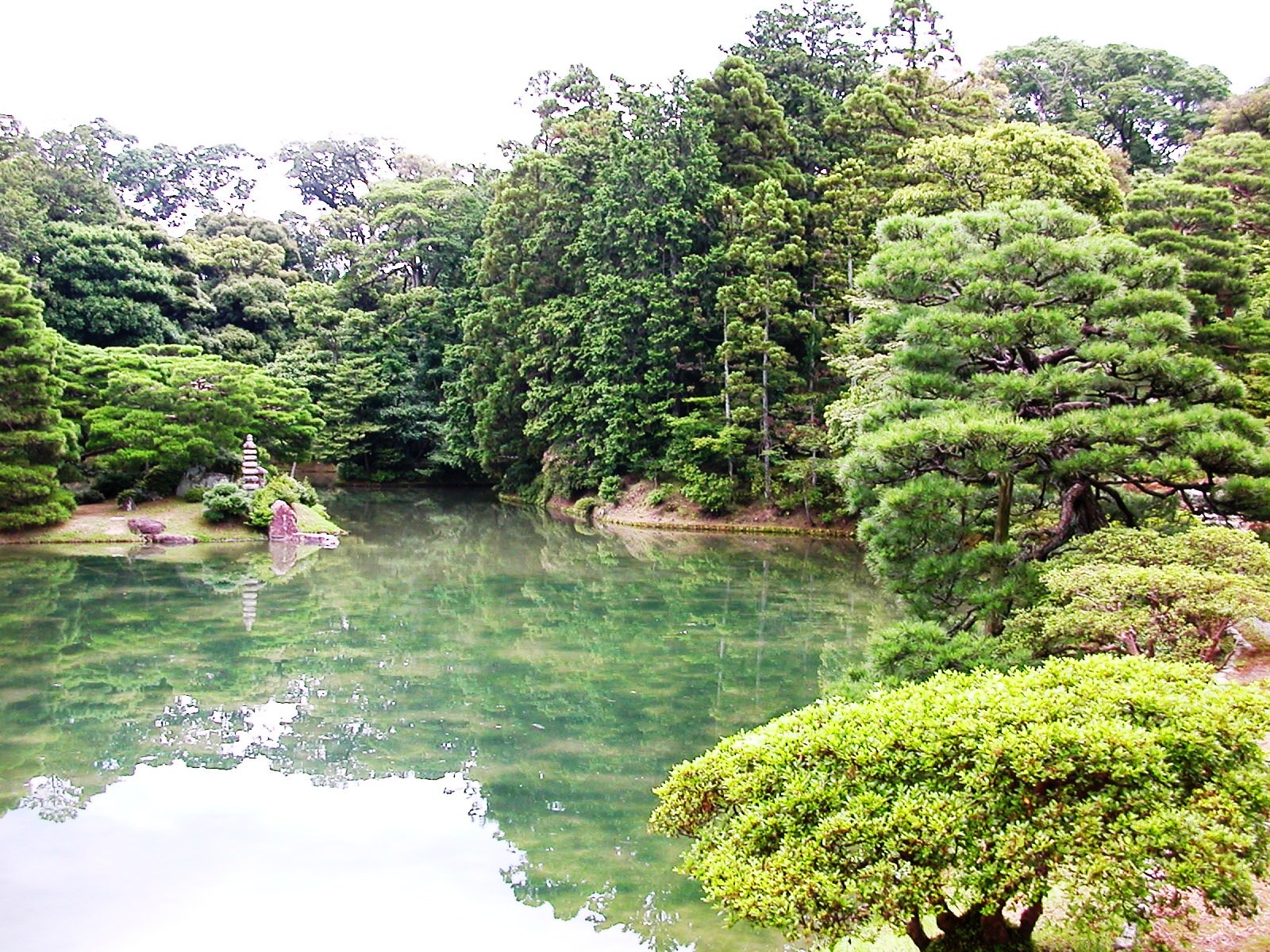
Sento Imperial Palace (仙洞御所) served as the residence for retired emperors from 1630 onward. The palace buildings no longer exist, but the expansive 20-acre stroll garden remains — one of Japan's greatest Edo-period gardens featuring large ponds, bridges, artificial islands, tea houses, and borrowed scenery. The garden demonstrates kaiyu-shiki (回遊式, 'circuit-style') design where the path reveals new compositions at each turn.
The garden was designed by renowned landscape architect Kobori Enshu and refined over centuries. Visits are by guided tour only (free, reservation required), maintaining the garden's contemplative atmosphere and limited impact.
Visiting essentials
Best season
Spring (April, cherry blossoms + pond reflections) | Autumn (November, maple foliage)
How long to allow
75 minutes (fixed guided tour)
Hours
Guided tours: 11:00 AM, 1:30 PM, 3:00 PM (75 minutes each)
Closed: Closed Sundays, Mondays, and national holidays
Entry fee
Free (reservation required via Imperial Household Agency)
Finding your way there
Directions
Beyond the guidebook
Nearby Spots
The closest hidden gems to Sento Imperial Palace, by straight-line distance.
Kyoto Zen Meditation
Locally knownYou sit on a round cushion facing a white wall six inches from your nose. Legs folded, back straight, hands in a mudra y…
 Takuya Ichihara / CC BY-SA 3.0
Kyoto Imperial Palace
Well knownKyoto Imperial Palace (京都御所) served as the emperor's residence from 794 to 1869 when the capital moved to Tokyo. The pal…
 Kento Ikeda / CC BY 2.0
Kyoto International Manga Museum
Locally knownThe Kyoto International Manga Museum (京都国際マンガミュージアム) occupies a renovated elementary school building and houses 300,000…
 lienyuan lee / CC BY 3.0
Nishijin Textile Center
Locally knownNishijin (西陣) is Kyoto's historic textile district where high-end kimono fabric has been woven for 1,200 years. The neig…
 アルトクール / CC BY-SA 4.0
Kyoto Traditional Sweets
Locally knownWagashi (和菓子, traditional Japanese sweets) reached its aesthetic and technical peak in Kyoto, where sweets-making became…
Kyoto Handicraft Center
Well knownKyoto Handicraft Center (京都ハンディクラフトセンター) is a seven-floor department store specializing in traditional Kyoto crafts: cer…
More in Kyoto
 くろふね / CC BY 3.0
Kifune Shrine
Locally knownKifune Shrine (貴船神社) sits in a forested mountain valley north of Kyoto, famous for its summer river dining platforms (川床…
 くろふね / CC BY 3.0
Kurama-dera Temple
Locally knownKurama-dera Temple (鞍馬寺) sits atop Mt. Kurama (570m) in northern Kyoto, accessible by cable car or a scenic 30-minute fo…
 ☆Tomoaki Ueda☆ / CC BY 3.0
Katsura Imperial Villa
Locally knownIn 1933, German architect Bruno Taut visited Katsura and wept. "The greatest work of Japanese architectural genius," he…