
Mt. Haruna & Lake Haruna
Researched and written by Hinato
Gunma · Takasaki
36.4733°N, 138.8669°E
Mt. Haruna & Lake Haruna is one of the reasons Gunma keeps coming up whenever the conversation turns to Japan's landscapes.
Mt. Haruna (榛名山, 1,449m) is a dormant volcano with a crater lake (Lake Haruna, 榛名湖) at 1,100m elevation, surrounded by volcanic peaks (Mt. Haruna-Fuji, 1,390m, and Mt. Souma, 1,411m). The lake is a perfect circle (4.5km circumference), reflecting the surrounding mountains, and is popular for boating, fishing, and lakeside cycling. The area offers hiking trails, a ropeway to Mt. Haruna-Fuji's summit (views over the Kanto Plain and, on clear days, Mt. Fuji), and autumn foliage (late October-November) that turns the crater into a bowl of reds and golds.
The lake's Haruna Shrine (榛名神社) sits 3km downhill in a forested gorge, accessed via a 700-meter stone path through towering cedars and moss-covered rocks. The shrine's main hall is built against a massive rock face (御姿岩, Misugata-iwa), and the setting is powerfully atmospheric — ancient trees, waterfalls, and stone lanterns create a mystical forest shrine rarely seen outside Kyoto's mountains. The shrine is dedicated to fire and water deities, reflecting the volcano's elemental power.
Plan your visit
Time to allow
Lake + ropeway: 3–4 hours | With Haruna Shrine (3km away by car): full day | Shrine alone: 60–90 minutes
Hours
Lake area: open 24 hrs | Boat/bicycle rental: 9:00 AM – 5:00 PM
Closed: Ropeway: December–February (winter maintenance) | Lake and shrine: open year-round | Bus service: seasonal, check schedule
Best time to visit
Late October–November (autumn colors in volcanic crater) | July–August (lake activities and hiking) | January–February for snow scenery (ropeway closed)
Entry fee
Lake access: free | Haruna Ropeway: ¥840 round-trip | Rowboat: ¥600/30 min | Swan boat: ¥800/30 min | Bicycle: ¥500/hr | Fishing permit: ¥500 | Shrine: free
Getting there
Directions
Beyond the guidebook
Nearby Spots
The closest hidden gems to Mt. Haruna & Lake Haruna, by straight-line distance.
 Tomo / CC BY 2.0
Ikaho Onsen Stone Steps
Little knownIkaho Onsen (伊香保温泉) is a hillside hot spring resort centered on 365 stone steps (石段街, ishidan-gai) lined with ryokan, so…
 yt_siden / CC BY-SA 2.0
Tamaruya
Little knownMizusawa udon is counted among Japan's three great udon alongside Sanuki and Inaniwa, and it developed to feed pilgrims…
Mt. Iwabitsu
Little knownMt. Iwabitsu is 802 metres of broken rock rising straight out of the Agatsuma valley, with a sheer south face that makes…
Nagai Shokudo
Little knownNagai Shokudo sits on Route 17 north of Shibukawa, in a stretch of road where there is essentially nothing else, and it…
Shango Tonyamachi Honten
Little knownTakasaki calls itself a pasta town, and the reason is partly that Gunma grows a lot of wheat and partly that Shango got…
Harashimaya Sohonke
Little knownYakimanju is the food Gunma people miss when they move away, and almost no guidebook aimed at foreign visitors mentions…
More in Gunma
Aisai no Oka
Little knownTsumagoi grows more summer and autumn cabbage than anywhere else in Japan — roughly 150 million heads a year, on fields…
 Filler / CC BY-SA 3.0
Kawaba Denen Plaza
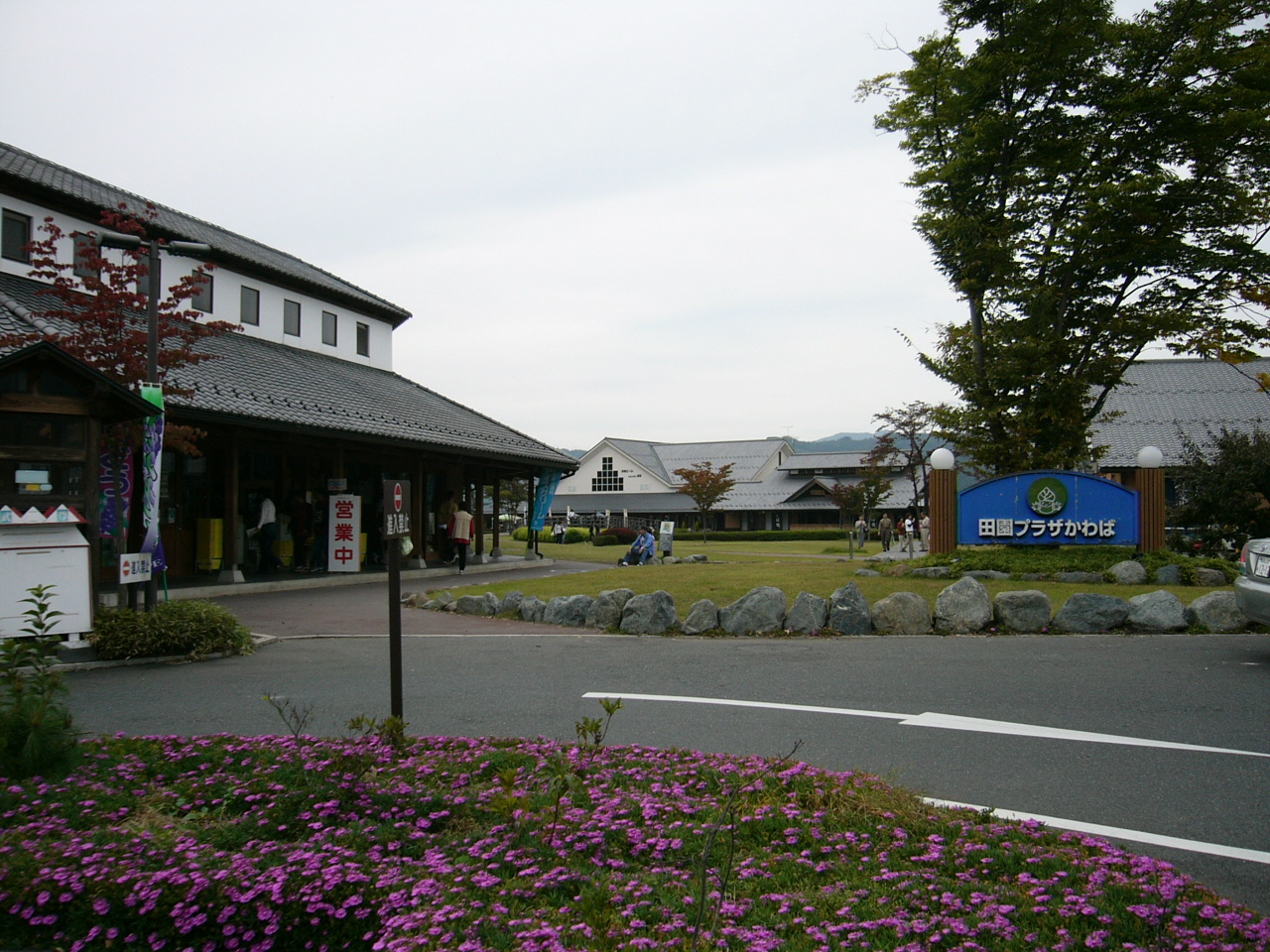
Little knownMichi-no-eki are roadside stations — a network of highway rest stops with toilets, a farm shop and usually a canteen. Ka…
 Y.Kowashi / CC BY 3.0
Fujido Cave
Locally knownUeno is the least populated municipality in Gunma, deep in the mountains on the Saitama border, and Fujido is the reason…