
Wakayama Ramen
Researched and written by Hinato

Regional food in Wakayama says as much about the place as its temples or its scenery, and Wakayama Ramen is where that shows.
Wakayama ramen (和歌山ラーメン, also called chuka soba in local dialect) is a distinct regional ramen style featuring rich tonkotsu-shoyu broth (pork bone and soy sauce), thin straight noodles, and unique toppings including kamaboko fish cake, sliced pork chashu, and narutomaki. The broth is milky from long-simmered pork bones but balanced with soy sauce's umami depth, creating a flavor profile distinct from both Kyushu's heavier tonkotsu and Tokyo's lighter shoyu ramen.
The signature practice: hayazushi (早寿司, quick sushi) — small mackerel sushi pieces served on the counter for customers to eat freely, with the shop tallying consumed pieces at checkout. This tradition reflects Wakayama's fishing culture (mackerel caught locally) and creates a casual, trust-based dining atmosphere. The ramen scene divides into two main styles: creamy white broth (tonkotsu-dominant) and darker soy sauce broth (shoyu-forward). Most shops open late morning through midnight, catering to blue-collar workers and late-night diners. The bowl is typically smaller than Tokyo ramen, designed for quick consumption, with an emphasis on broth richness over elaborate toppings.
The style's development is closely tied to Wakayama City's history as a castle town and regional trading hub, where dock workers, market vendors, and travelers passing through needed fast, filling meals available at almost any hour — a demand that shaped the compact bowls, quick service, and long operating hours still characteristic of the genre today. Many of the city's oldest ramen shops cluster within walking distance of the old market district and train station, occupying small storefronts that have changed little over the decades, with counters seating a handful of customers and menus limited to a few core variations on the tonkotsu-shoyu formula. The hayazushi tradition that accompanies the ramen reflects the same practical, no-frills sensibility — rather than a separate appetizer course requiring extra preparation, it lets customers self-serve mackerel sushi while waiting for their noodles, minimizing kitchen labor during rush periods. Because the dish remains primarily a local institution rather than a tourist spectacle, visiting a Wakayama ramen shop offers a comparatively unfiltered look at regional food culture — no elaborate presentation, no English signage in most locations, just a fast, satisfying bowl served the way it has been for generations of local diners.
Plan your visit
Hours
Marukyo: varies (family-run, call ahead)
Closed: Ide Shoten: irregular closures (check before visiting) | Marui: generally open daily
Time to allow
15–20 minutes per bowl (fast-casual dining); 2–3 hours for multi-shop ramen crawl comparison
What it costs
No entry fee; ramen ¥650–900 per bowl; hayazushi (mackerel sushi) ¥150–200 per piece
Best season
Year-round; the rich tonkotsu-shoyu broth is especially satisfying in autumn and winter
Getting there
Access notes
Beyond the guidebook
Book Your Stay Nearby
Find accommodation close to Wakayama Ramen on these trusted booking platforms:
Nearby Spots
The closest hidden gems to Wakayama Ramen, by straight-line distance.
 Yoshio Kohara / CC BY 3.0
Wakayama Castle
Little knownWakayama Castle (和歌山城) is a hilltop fortress built in 1585 by Toyotomi Hideyoshi's brother, later ruled by the powerful…
 663highland / CC BY 2.5
Kimii-dera Temple
Little knownKimii-dera (紀三井寺, 'Temple of Three Wells of Kii Province') is a hilltop temple complex founded in 770 AD, famous for its…
 Illustration — not a photograph
Wakayama Mikan & Umeboshi
Little knownWakayama Prefecture is Japan's largest producer of mikan oranges (温州みかん, unshu mikan) and umeboshi pickled plums (梅干し),…
Tomogashima
Little knownTomogashima is a group of uninhabited islands in the strait between Wakayama and Awaji, and from the 1890s the army fort…
 Kumamushi / CC BY-SA 3.0
Negoroji (Iwade)
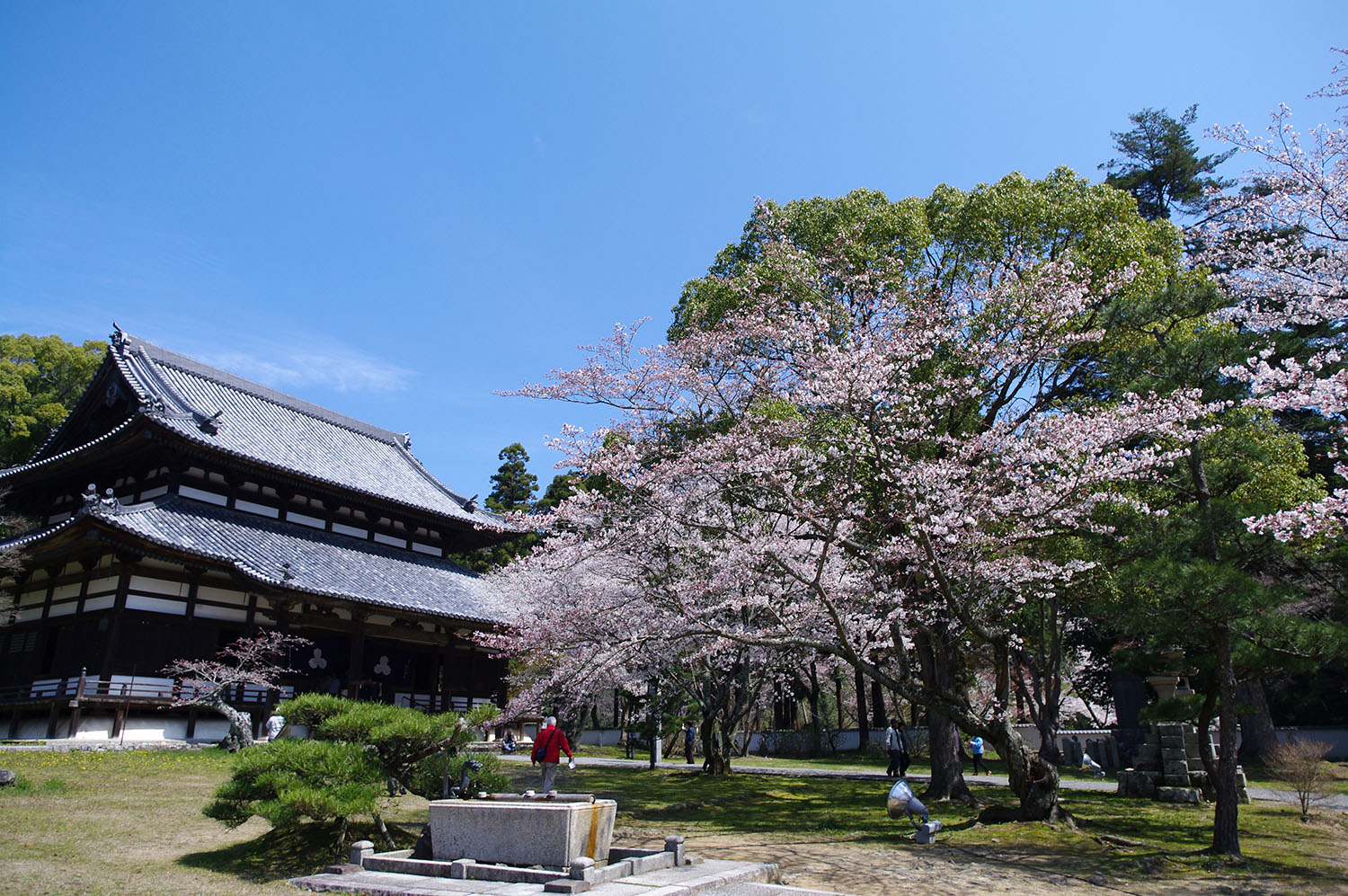
Locally knownNegoroji was, at its height in the sixteenth century, a monastic complex of some two thousand buildings with an armed fo…
 Raita Futo from Tokyo, Japan / CC BY 2.0
Oishi Kogen
Little knownOishi Kogen is a plateau at about 870 metres straddling Kimino and Aridagawa, and what grows on it is susuki — Japanese…
More in Wakayama
 Illustration — not a photograph
Kamikura Shrine
Well knownKamikura is where, in the Kumano tradition, the gods first came down to earth — before Hayatama, before Hongu, before an…
 Nekosuki / CC BY-SA 4.0
Kumano Hayatama Taisha
Well knownThe third of the Kumano grand shrines, at the mouth of the Kumano river in Shingu, and the most compact — vermilion hall…
 さかおり / CC BY-SA 4.0
Dorokyo Gorge
Little knownDorokyo is a gorge on the Kitayama river where it forms the boundary between Wakayama, Nara and Mie — thirty-odd kilomet…