
Shuri Castle
Researched and written by Hinato

Photo: 663highland / Wikimedia Commons (CC BY 2.5) · original
Okinawa keeps its history in places like Shuri Castle rather than in museums about it.
Shuri Castle was the royal palace of the Ryukyu Kingdom (1429–1879), a sophisticated maritime trading nation that maintained diplomatic and economic ties with China, Japan, Korea, and Southeast Asia. The castle's architecture reflects this hybrid identity — Chinese palace design (vermillion pillars, tiled roofs) combined with Japanese defensive elements (stone walls, strategic positioning) and indigenous Ryukyuan decorative motifs (dragon carvings, sacred symbols).
The main palace burned completely in a 2019 fire but is currently under reconstruction (scheduled completion 2026). The site remains open, showing the reconstruction process and the survived outer structures, gates, and stone foundations.
Our angle on Shuri Castle
Nobody else is going here
Everyone within a mile of Shuri Castle is going to Shuri Castle. Here are 4 places within walking or one bus ride of it that almost nobody writes about — straight-line distances from our own catalogue, not travel times.
- Awamori Distillery TourLocally known~0.2 km away · Okinawa
Awamori (泡盛) is Okinawa's indigenous distilled spirit (25–43% alcohol), predating Japanese shochu by 500 years. It's dis…
- Kinjocho Stone PathLocally known~0.3 km away · Okinawa
The Madama-michi was the road the Ryukyu kings took south out of Shuri Castle, laid in the early sixteenth century with…
- Tsuboya Yachimun StreetLocally known~2.9 km away · Okinawa
In 1682 the Ryukyu kingdom consolidated its scattered kilns into one district in Naha, and Tsuboya has been making potte…
- Kokusai DoriLocally known~3.0 km away · Okinawa
Kokusai Dori (国際通り, 'International Street') is Naha's 1.6km main shopping and entertainment strip, running from Palette…
Plan your visit
Hours
8:00 AM – 7:00 PM (July–September) | 8:00 AM – 6:00 PM (October–June) | Last entry 30 min before closing
Closed: July 1st and December 26th (annual maintenance days)
Time to allow
1.5–2.5 hours
Admission
¥400 adults (reduced during main hall reconstruction) | ¥300 high school students | ¥160 elementary/middle school | Free for children under 6
Best time to visit
Year-round | Spring (March–April) for cherry blossoms | Autumn (October–November) for comfortable temperatures
Finding your way there
Access notes
Full directions & timing
Nearest Station
Shuri Station (Okinawa Monorail/Yui Rail) — 15 min walk or 5 min taxi
Travel Time
From Naha Airport: ~30 min (monorail to Shuri Station + walk) | From Narita Airport: fly to Naha (~2.5 hrs) + ~30 min
How to Get There
Monorail: Okinawa Monorail (Yui Rail) from Naha Airport or Kokusai Dori area to Shuri Station (¥260–340), then 15-min walk uphill or 5-min taxi (¥700). Bus: Multiple city buses serve Shuri area — Routes 1, 3, 14, 46 stop near the castle entrance (¥230 from Naha downtown). Taxi: From Naha Airport approximately ¥1,500–2,000 (20 min). From Kokusai Dori approximately ¥1,000 (10 min).
Best Time to Visit
Early morning 8:00–9:30 AM before tour groups arrive. Weekday mornings are significantly quieter than weekends.
Crowd Avoidance Tips
Tour buses typically arrive between 10 AM–2 PM. Arrive at opening (8 AM) for the quietest experience. Shureimon Gate is most crowded midday — photograph it early morning or late afternoon. The reconstruction viewing platforms are uncrowded as most visitors focus on exterior areas.
Parking Information
Shuri Castle Park parking lot (¥200/30 min, ¥100 each additional 30 min). Limited spaces, fills during peak seasons. Monorail is strongly recommended — Shuri Station is convenient and parking is expensive.
Historical notes & tips
Book Your Stay Nearby
Find accommodation close to Shuri Castle on these trusted booking platforms:
Nearby Spots
The closest hidden gems to Shuri Castle, by straight-line distance.
 xiquinhosilva / CC BY 2.0
Tamaudun Mausoleum
Well knownTamaudun (玉陵) is the mausoleum of the Ryukyu Kingdom's royal family (Sho Dynasty), built in 1501 and containing the rema…
 ayustety from Tokyo, Japan / CC BY-SA 2.0
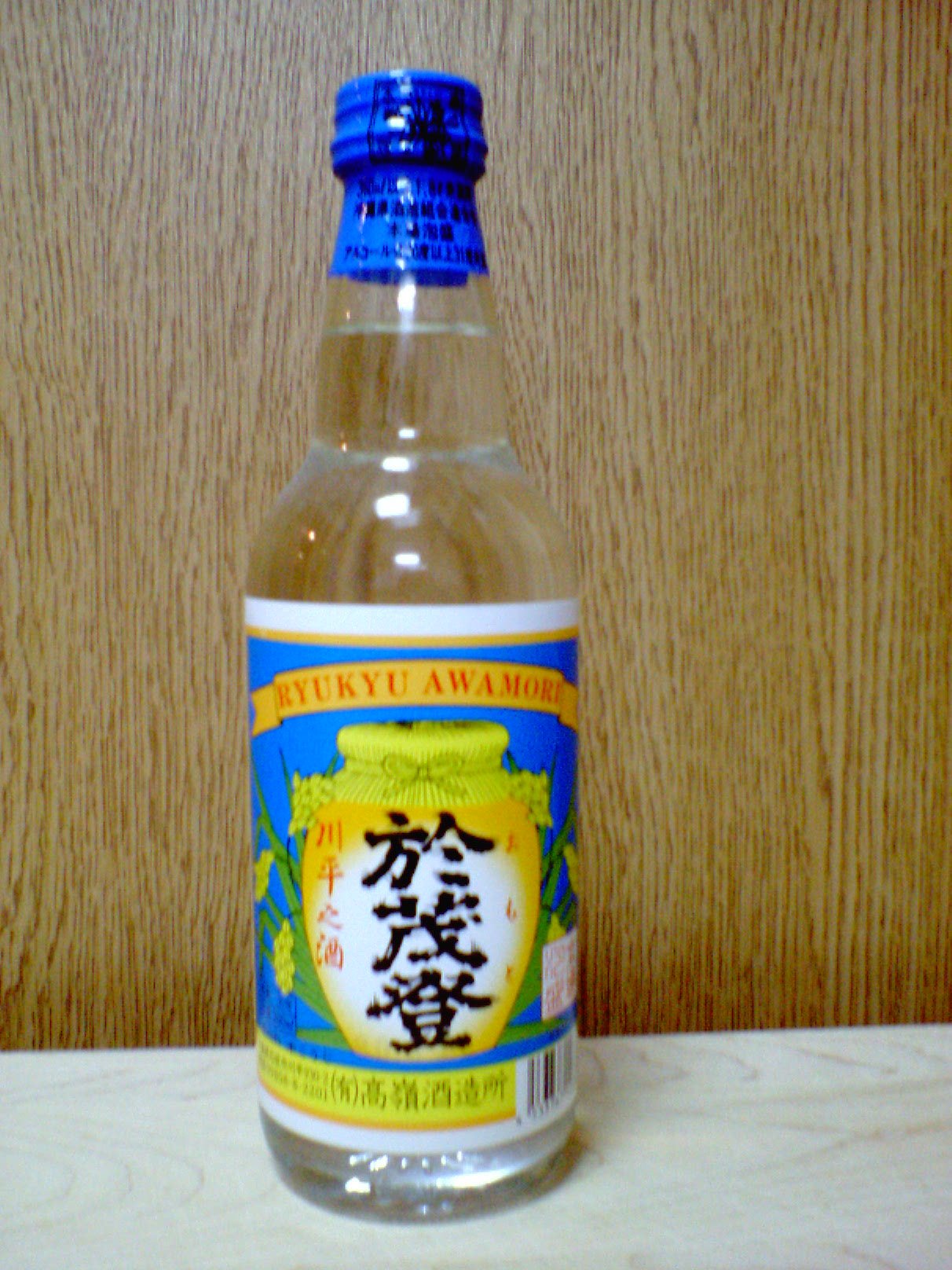
Awamori Distillery Tour
Locally knownAwamori (泡盛) is Okinawa's indigenous distilled spirit (25–43% alcohol), predating Japanese shochu by 500 years. It's dis…
Kinjocho Stone Path
Locally knownThe Madama-michi was the road the Ryukyu kings took south out of Shuri Castle, laid in the early sixteenth century with…
Tsuboya Yachimun Street
Locally knownIn 1682 the Ryukyu kingdom consolidated its scattered kilns into one district in Naha, and Tsuboya has been making potte…
 TurnOnTheNight / CC BY-SA 4.0
Kokusai Dori
Locally knownKokusai Dori (国際通り, 'International Street') is Naha's 1.6km main shopping and entertainment strip, running from Palette…
Daiichi Makishi Public Market
Locally knownThe market grew out of a black market in the rubble after 1945 and became the food hall of Naha — the ground floor is fi…
More in Okinawa
 Renate Hano / CC BY-SA 4.0
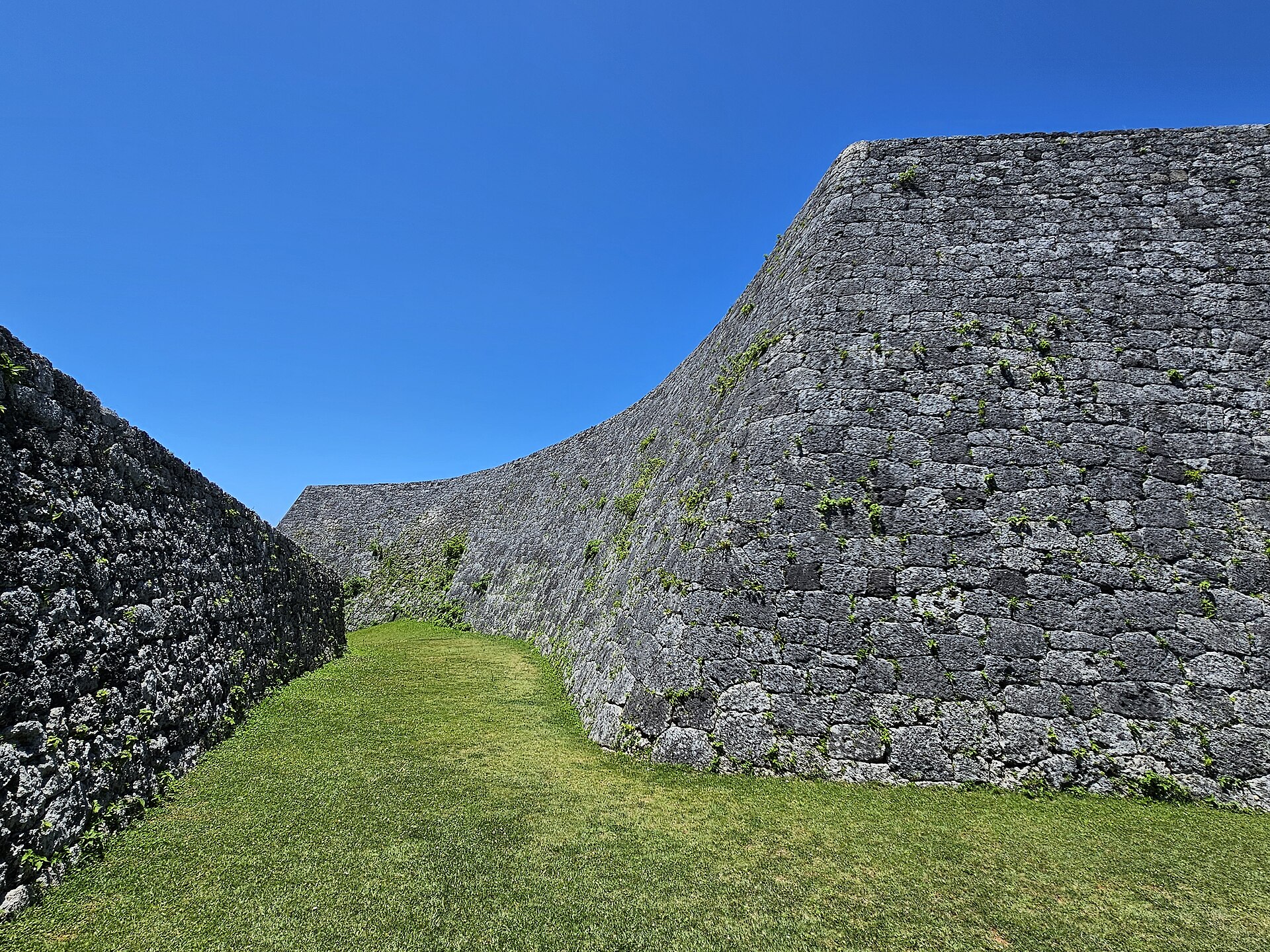
Zakimi Castle Ruins
Well knownZakimi is the smallest of the World Heritage gusuku and the one built by the man generally regarded as the best military…
Yachimun no Sato
Little knownOkinawan pottery is called yachimun and it was concentrated in Tsuboya in Naha until the 1970s, when smoke regulations i…
Sefa-utaki
Well knownSefa-utaki was the most important sacred site in the Ryukyu kingdom. The kingdom's religion was administered by women —…