
Ryuzugataki Falls
Researched and written by Hinato

A visit to Ryuzugataki Falls is easy to underplan — bring more time, and less certainty about what you'll find, than you'd expect.
Ryuzugataki is two waterfalls: the female fall at 30 metres and the male fall at 40, the larger of which is described as the finest in the Chugoku region. Together with the nearby Yaedaki they are on the national list of one hundred notable waterfalls.
The reason to make the walk is that you can get behind the male fall. A cave in the rock face behind the water holds a Kannon figure, the Taki Kannon, and you stand in it with the fall coming down in front of you — a form known in Japanese as urami no taki, a fall seen from behind. From the car park the path climbs on a gentle forest track and then a stepped section: about five minutes to the female fall and another ten to the male one. It is a short walk to something genuinely unusual, in a valley that sees almost nobody outside the August festival.
The forest walk leading in does a good deal of the work before the falls themselves come into view — moss-covered boulders, filtered light through cedar and maple canopy, and the sound of water building gradually as the trail climbs, so that the female fall's initial appearance feels like a pause rather than the destination. Continuing on to the male fall, the roar becomes noticeably louder well before the cave entrance appears, and the temperature drop inside the spray zone is immediate, a welcome shock in midsummer and a bracing one in cooler months. Standing behind a forty-metre waterfall, looking out through a curtain of falling water toward the sunlit valley beyond, is a rare enough vantage point in Japan that even visitors who have seen dozens of waterfalls elsewhere in the country tend to describe Ryuzugataki as something categorically different, less a view to photograph from a platform than a small, damp, thundering room you're briefly allowed to stand inside.
Visiting essentials
Best season
July–August for the cool valley and full flow | Late October–November for autumn colour
How long to allow
45–60 minutes
Hours
Open access | No lighting after dark
Closed: Open year-round | Paths hazardous in snow and ice
Entry fee
Free | Free parking
Making the trip
Getting there in detail
What to bring
Book Your Stay Nearby
Find accommodation close to Ryuzugataki Falls on these trusted booking platforms:
Nearby Spots
The closest hidden gems to Ryuzugataki Falls, by straight-line distance.
Sugaya Tatara Sannai
Little knownTatara is the Japanese smelting method that produced tamahagane, the steel used for swords — iron sand and charcoal fed…
 Tatsuya Sakai / CC BY-SA 3.0
Tachikue Gorge
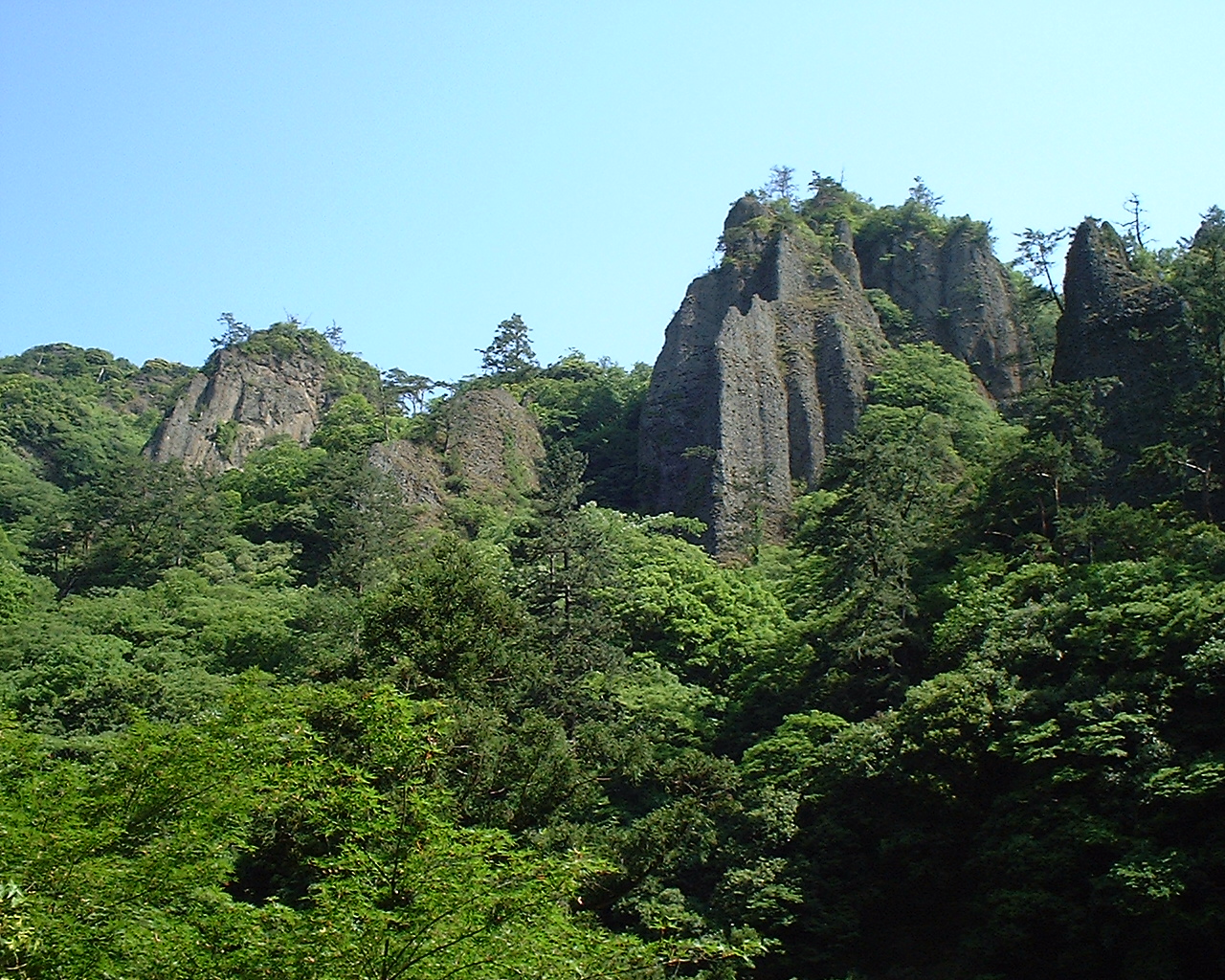
Little knownTwenty minutes from central Izumo, the Kando River runs between walls of columnar rock rising 100 to 200 metres — eroded…
 立志堂 / CC BY-SA 4.0
Sanbe Azukihara Buried Forest
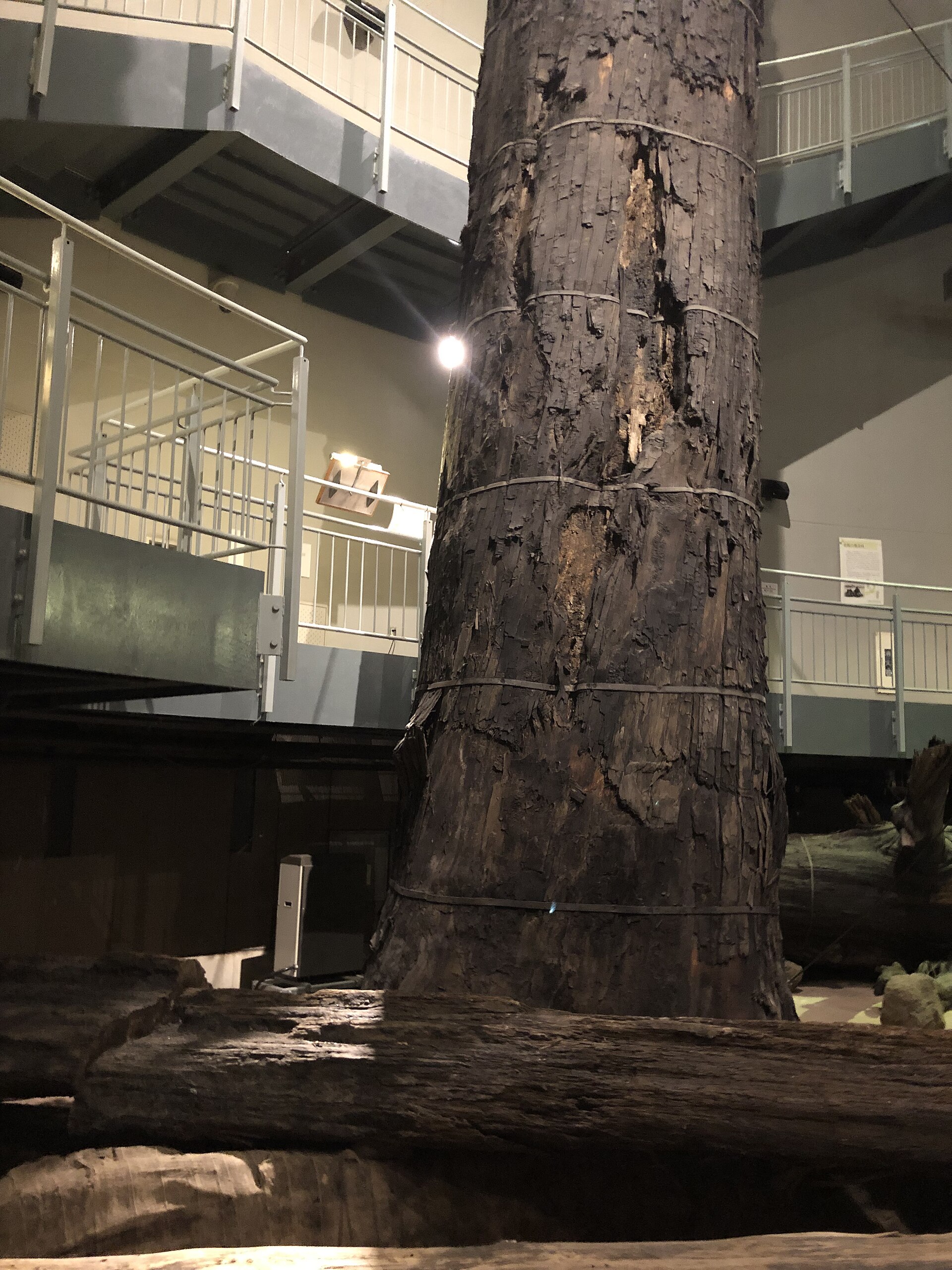
Little knownAbout four thousand years ago Mt. Sanbe erupted and buried the forest at its foot in volcanic debris — not flattening th…
 Nesnad / CC BY 4.0
Shussai Kiln
Little knownShussai Kiln was started in 1947 by five local men in their twenties, none of them trained potters, who decided to make…
Oni no Shitaburui
Locally knownThe name means the demon's tongue trembling, and it comes from a story in the Izumo Fudoki about a shark deity in love w…
Arakiya
Little knownThere are a dozen soba shops around Izumo Taisha and Arakiya is the oldest of them, founded in the Tenmei era of the 178…
More in Shimane
Kumano Taisha (Izumo)
Little knownShimane has two shrines that claim the rank of first shrine of Izumo province. Everyone knows the one at Izumo Taisha; t…
 contri from Yonezawa Yamagata, Japan / CC BY-SA 2.0
Yunotsu Onsen
Well knownYunotsu was the port that shipped silver out of Iwami Ginzan, and when the mine was inscribed by UNESCO the town went in…
 Suikotei / CC BY-SA 4.0
Iwami Tatamigaura
Locally knownIn 1872 the Hamada earthquake lifted a section of sea floor about a metre out of the water, and it has stayed there. The…