
Kumano Taisha (Izumo)
Researched and written by Hinato
Shimane · Matsue
35.3733°N, 133.0705°E
Shimane has no shortage of temples and shrines, but Kumano Taisha (Izumo) is the one worth setting aside real time for.
Shimane has two shrines that claim the rank of first shrine of Izumo province. Everyone knows the one at Izumo Taisha; the other is Kumano Taisha, up a river valley in Yakumo, and it holds a specific and unusual office — it is the shrine of the origin of fire, styled the place where fire was first kindled in Japan.
That is not just a title. In a separate building on the grounds, the Kirihidono, the shrine keeps the fire-making implements — a wooden hearth board and a drill — and uses them at the annual Sankasai rite. It also supplies them for the fire succession ceremony performed when a new chief priest takes office at Izumo Taisha, which means the head of Japan's most famous shrine has to come here to receive fire. The Kirihidono itself is unlike anything else: a thatched roof over walls faced in cypress bark, with a bamboo veranda running round it. The setting is a clear river and cedar; the visitor numbers are a fraction of Izumo's.
Kumano Taisha belongs to a small cluster of shrines around Matsue and the Yakumo valley collectively known as the Ou Rokusha, the six shrines of the old province, and visiting it alongside its neighbors gives a fuller sense of how Izumo's mythology and its ritual calendar fit together outside the single famous shrine most travelers see. The approach itself, following the Iu River upstream through terraced fields and cedar groves before the vermillion torii comes into view, has a slower, more contemplative rhythm than the crowded plaza in front of Izumo Taisha, and the relative quiet here is not incidental — many locals consider Kumano Taisha's comparative obscurity part of its dignity, a shrine content to hold real ritual authority without needing to advertise it. Autumn brings a gradual change in the valley's color that tends to arrive a week or two before the same shift reaches central Matsue, giving repeat visitors a way to catch the season slightly ahead of the crowds downstream.
Before you go
Opening hours
Grounds open during daylight hours
Closed: Open year-round
Admission
Free
Best time to visit
Year-round | Late October–November for colour in the valley
Time to allow
45–60 minutes
Access route
Getting there in detail
Visiting etiquette & tips
Book Your Stay Nearby
Find accommodation close to Kumano Taisha (Izumo) on these trusted booking platforms:
Nearby Spots
The closest hidden gems to Kumano Taisha (Izumo), by straight-line distance.
 by Monado / CC BY-SA 2.5
Kamosu Shrine
Locally knownEveryone goes to Izumo Taisha for the architecture. The oldest surviving example of that architecture is here instead, i…
 Hanabishi / CC BY-SA 3.0
Yaegaki Shrine
Little knownYaegaki enshrines Susanoo and Kushinada — the god who killed the eight-headed serpent Yamata-no-Orochi and the woman he…
Tamatsukuri Onsen
Little knownTamatsukuri Onsen (玉造温泉) is a 1,300-year-old hot spring resort famous for beautifying waters rich in sulfate and chlorid…
Gassantoda Castle
Locally knownGassantoda was the seat of the Amago, one of the great warlord houses of western Japan, and it is generally counted amon…
Matsue Wagashi Sweets
Little knownMatsue is ranked among Japan's top wagashi (和菓子, traditional Japanese sweets) cities, with per-capita wagashi consumptio…
 tanaka / CC BY-SA 4.0
Yuushien Garden
Little knownYuushien Garden (由志園) is a Japanese stroll garden on Daikonshima Island featuring 10,000+ peony flowers in a 40,000 m² l…
More in Shimane
 Bernard Gagnon / CC BY-SA 3.0
Adachi Museum of Art
FamousAdachi Museum of Art has been ranked the #1 Japanese garden in Japan by the Journal of Japanese Gardening for over 20 co…
 663highland / CC BY-SA 4.0
Iwami Ginzan
Little knownIwami Ginzan is the remains of Japan's biggest silver mine, which from 1526 to 1923 pulled enough silver out of these mo…
 boreal eye / CC BY 2.0
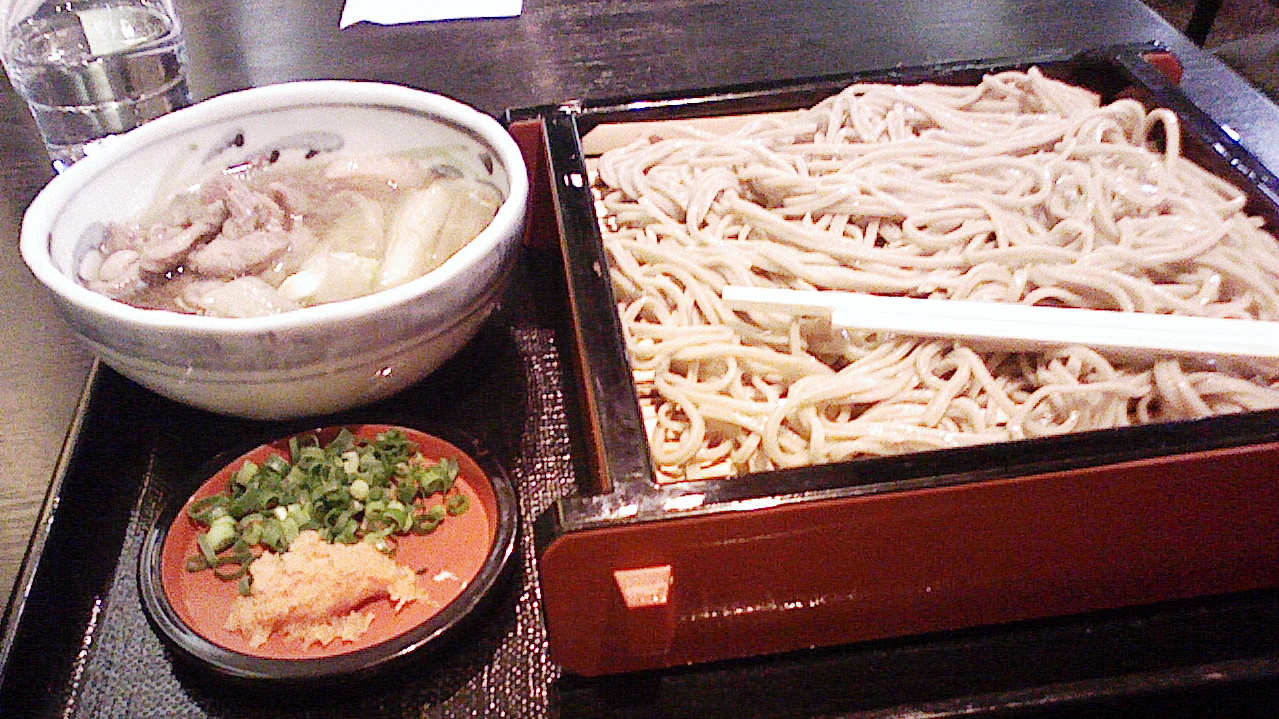
Izumo Soba
Little knownIzumo Soba (出雲そば) is Shimane's signature noodle dish, served in a unique warigo (割子) style: three small stacked lacquere…