
Nara Park Maple Viewing
Researched and written by Hinato

Nara's geography does a lot of the work at Nara Park Maple Viewing — the rest is knowing when to show up.
Nara Park transforms in autumn (mid-November to early December) when 2,000+ maple, ginkgo, and cherry trees turn vibrant red, orange, and yellow, creating a stunning backdrop for the 1,200 sacred deer. The combination of autumn foliage and deer is uniquely Nara — deer graze among fallen leaves, rest under golden ginkgo trees, and walk along paths framed by red maple canopies. The foliage rivals Kyoto's famous autumn scenery but with the added element of wildlife creating dynamic compositions.
Key foliage viewing spots within Nara Park include Wakakusayama hillside (elevated views with color-layered landscape), Ukimido Pavilion (maple reflections in pond with deer drinking at water's edge), the approach to Todaiji (maple-lined path with deer and Nandaimon Gate), and Kasuga Taisha shrine's approach (red maples contrasting with stone lanterns and vermillion shrine buildings). Unlike spring's brief cherry blossom season (1 week), autumn foliage lasts 3–4 weeks, offering a longer viewing window. The park's elevation variation creates staggered peak timing — higher areas peak mid-November, lower areas early December.
Our angle on Nara Park Maple Viewing
Nobody else is going here
Everyone within a mile of Nara Park Maple Viewing is going to Nara Park Maple Viewing. Here are 4 places within walking or one bus ride of it that almost nobody writes about — straight-line distances from our own catalogue, not travel times.
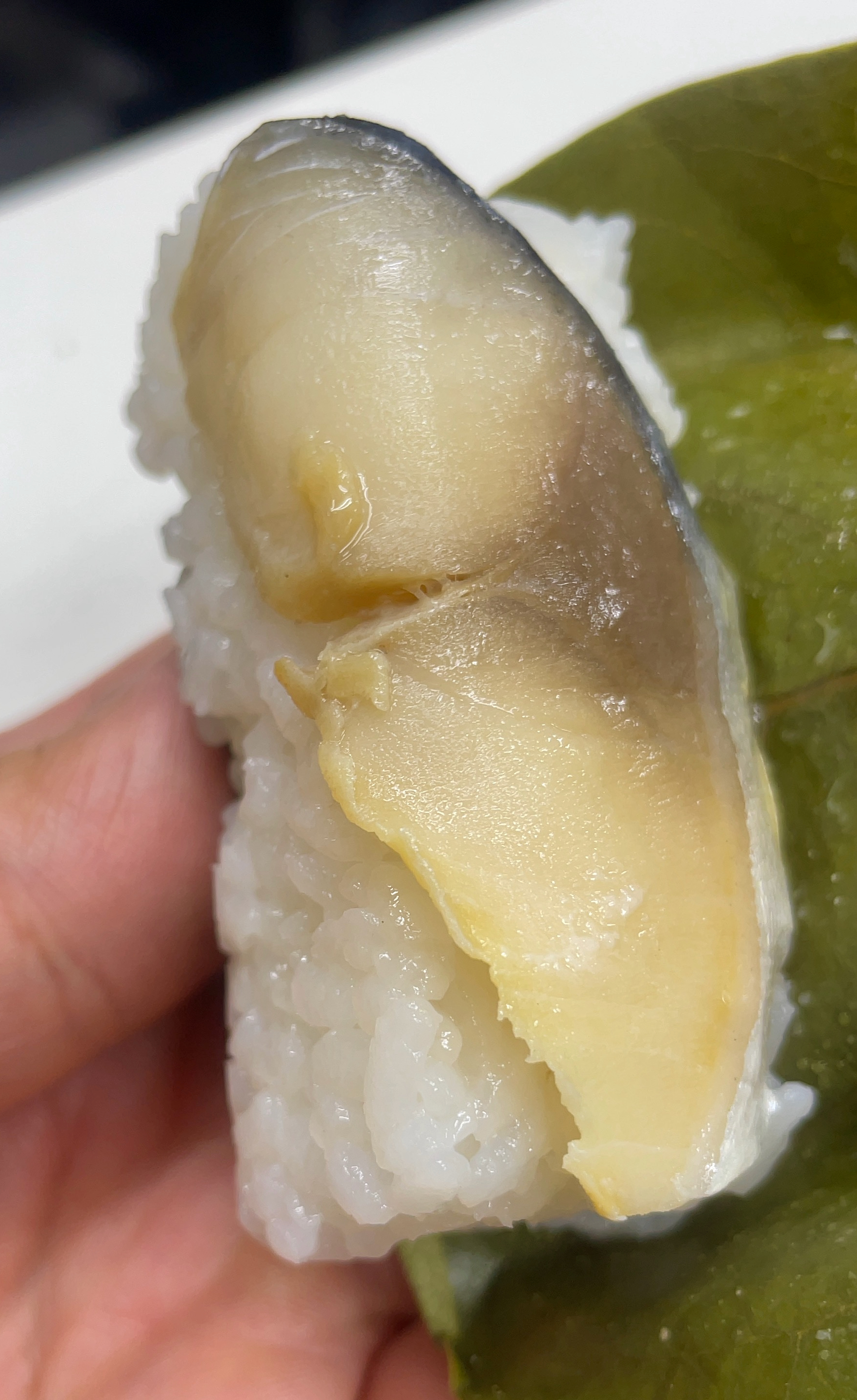
- Kakinoha-zushiLocally known~0.0 km away · Nara
Kakinoha-zushi (柿の葉寿司) is Nara's signature pressed sushi: vinegared rice topped with mackerel, salmon, or sea bream, wra…
- Narazuke PicklesLocally known~0.0 km away · Nara
Narazuke (奈良漬) are vegetables pickled in sake kasu (酒粕, sake lees — the fermented rice solids left after sake brewing),…
- Nara SakeLocally known~0.0 km away · Nara
Nara is the birthplace of sake brewing's key innovations — monks at Shoryakuji Temple (菩提山正暦寺) invented the bodaimoto me…
- Nara Sumi Ink & Fude BrushesLocally known~0.0 km away · Nara
Nara produces 90% of Japan's traditional sumi ink (墨, solid ink sticks) and is a major center for fude (筆, calligraphy b…
Visiting essentials
Best season
Mid-November to early December (peak autumn foliage) | October (early color + deer rut observation)
How long to allow
Half day (key foliage spots in Nara Park) | Full day with temple visits and multiple viewpoints
Hours
Park: open 24/7 (free) | Best photography light: 7:00–9:00 AM and 3:00–5:00 PM
Closed: Park open year-round
Entry fee
Park: free | Individual temple admissions separate (Todaiji ¥600, Kasuga Taisha ¥500)
Getting there
Access notes
What to bring
Nearby Spots
The closest hidden gems to Nara Park Maple Viewing, by straight-line distance.
 Kyu3a / CC BY-SA 4.0
Kakinoha-zushi
Locally knownKakinoha-zushi (柿の葉寿司) is Nara's signature pressed sushi: vinegared rice topped with mackerel, salmon, or sea bream, wra…
 daniel julià lundgren from barcelona, catalonia / CC BY-SA 2.0
Narazuke Pickles
Locally knownNarazuke (奈良漬) are vegetables pickled in sake kasu (酒粕, sake lees — the fermented rice solids left after sake brewing),…
Nara Sake
Locally knownNara is the birthplace of sake brewing's key innovations — monks at Shoryakuji Temple (菩提山正暦寺) invented the bodaimoto me…
 Illustration — not a photograph
Nara Sumi Ink & Fude Brushes
Locally knownNara produces 90% of Japan's traditional sumi ink (墨, solid ink sticks) and is a major center for fude (筆, calligraphy b…
 Illustration — not a photograph
Day Trip to Nara
Locally knownNara, Japan's capital from 710–794 CE, is from Osaka by train and offers one of Japan's best day trips. The city's main…
 Roman SUZUKI / CC BY 3.0
Heijo Palace Site
Well knownHeijo Palace (平城宮跡, Heijo-kyo) was the imperial palace during Nara's time as Japan's capital (710–784 AD), occupying 120…
More in Nara
 Benh LIEU SONG from Torcy, France / CC BY-SA 2.0
Ukimido Pavilion
Well knownUkimido (浮見堂, 'Floating Pavilion') is a hexagonal pavilion built on stilts over Sagi-ike Pond in Nara Park's southern ar…
 jetsun / CC BY-SA 3.0
Wakakusayama Hill
Locally knownWakakusayama (若草山, 'Young Grass Mountain') is a 342-meter grassy hill on Nara Park's eastern edge offering panoramic vie…
 Illustration — not a photograph
Gangoji Temple
Well knownGangoji (元興寺) is one of Nara's Seven Great Temples and Japan's oldest temple, originally founded in 588 AD in Asuka befo…