Home/Aomori/Hachinohe/Ichigoni Soup — Sea Urchin & Abalone Luxury

Ichigoni Soup — Sea Urchin & Abalone Luxury

Published: Jul 22, 2026
Updated: Jul 22, 2026
ichigonisoupsea urchinabaloneHachinoheluxuryseafood
Ichigoni Soup — Sea Urchin & Abalone Luxury
Ichigoni Soup — Sea Urchin & Abalone Luxury 2
Ichigoni Soup — Sea Urchin & Abalone Luxury 3

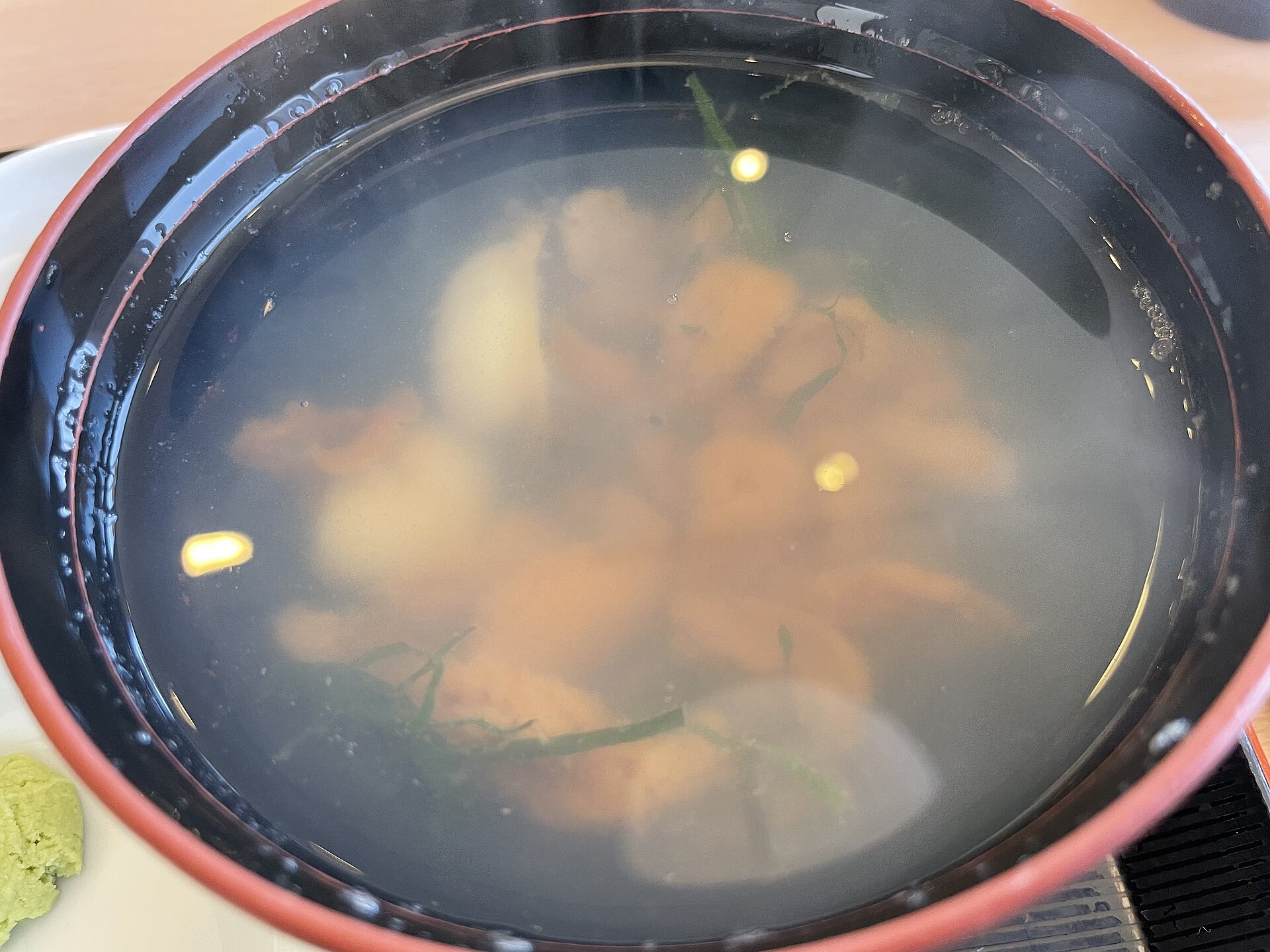
Ichigoni (いちご煮) is Aomori's most luxurious soup, combining sea urchin (uni) and abalone in a clear dashi broth, served in traditional lacquerware bowls. The name 'ichigoni' (strawberry stew) comes from the visual resemblance of golden uni pieces floating in clear broth to wild strawberries in morning dew. This poetic name reflects the dish's delicate beauty and high status — ichigoni is served at celebrations, New Year gatherings, and special occasions.

The soup's simplicity belies its difficulty: the broth must be perfectly clear (cloudiness is a failure), the uni must be fresh enough to hold shape without dissolving, and the abalone must be tender (not chewy). The combination of uni's creamy sweetness and abalone's oceanic minerality creates a flavor unique to Aomori's coastal cuisine. Sake is the traditional accompaniment, enhancing the umami richness.

Ichigoni is available year-round at high-end restaurants in Hachinohe (the dish's birthplace) and Aomori City, but summer (June-August) is peak season for both uni and abalone. Canned ichigoni is sold as a premium souvenir (¥2,000-3,000 per can), allowing visitors to bring home a taste of Aomori's ocean.

Essential Information

Opening Hours

Lunch: 11:30 AM – 2:00 PM | Dinner: 5:30 PM – 9:00 PM (varies by restaurant)

Closed: Varies by restaurant (many close 1-2 days per week; confirm when reserving)

Entrance Fee

¥2,500–4,500 per ichigoni set | Canned souvenir: ¥2,000–3,000

Best Season

June–August (peak fresh uni and abalone harvest)

Visit Duration

45-90 minutes per restaurant

Getting There

Access Information

Ichigoni served at upscale restaurants and ryokan in Hachinohe and Aomori City. Price: ¥2,500-4,500 per bowl (often part of kaiseki course). Recommended: Miuraya (みうら家, Hachinohe, ¥3,500 ichigoni set), Ajidokoro Kikuya (味処きく屋, Aomori City, ¥3,000). Canned ichigoni available at markets and airports (¥2,000-3,000, makes 2-3 servings). Best season: June-August (peak uni and abalone harvest).

Insider Guide

Premium
**Where to try:** Miuraya (みうら家) in Hachinohe is the most accessible high-quality ichigoni spot (10-min taxi from Hachinohe Station, ¥1,200). Order the 'ichigoni set' (¥3,500) which includes the soup, rice, pickles, and small sides. The uni is harvested from Tanesashi Coast (30 minutes north), and abalone from local divers. The soup arrives in a black lacquer bowl — lift it with both hands (traditional etiquette) and sip the broth first to appreciate the dashi clarity. Then eat the uni and abalone with chopsticks. Pair with cold sake (¥800-1,200 per glass). **Taste profile:** Ichigoni's flavor is subtle and refined — this is not a bold, salty soup. The dashi is lightly seasoned with soy sauce and salt, allowing the uni's sweetness and abalone's brininess to dominate. High-quality uni tastes creamy and sweet (not fishy), while fresh abalone has a tender texture and clean ocean flavor. If the soup tastes overly fishy or the abalone is chewy, the ingredients are subpar. **Canned version:** Canned ichigoni (いちご煮缶詰) is widely sold at Aomori souvenir shops and airports. Brands: Ajinohitotsu (味の加久の屋, premium, ¥3,000) and Hachinohe Kanmei (八戸缶詰, standard, ¥2,000). To prepare: heat gently (do not boil or the uni will disintegrate), dilute with a bit of hot water if too salty, serve in a small bowl. Quality is surprisingly good — the canning process preserves the uni and abalone well. Shelf life: 2-3 years. Perfect for at-home kaiseki or as a gift for food-loving friends. **Cultural context:** Ichigoni originated in Hachinohe's coastal villages where fishermen and divers consumed fresh uni and abalone as post-work sustenance. The soup's refinement developed during the Edo period when Hachinohe samurai adopted it for ceremonial meals. Today, it's Aomori's signature luxury dish, comparable to Hokkaido's ikura-uni donburi or Kyoto's kaiseki soups in prestige. **Seasonal notes:** Summer (June-August) is peak season for Aomori uni — the roe is fattened for spawning, creating maximum flavor. Abalone is available year-round but summer specimens are plumpest. Some restaurants serve ichigoni only in summer; others offer year-round using frozen uni (quality is lower but still respectable). If visiting in summer, prioritize fresh ichigoni over the canned version. **Sake pairing:** Aomori's sake (Joppari, Denshu, Hato Masamune) pairs beautifully with ichigoni. Order a dry junmai or junmai daiginjo (¥800-1,500 per 180ml flask). The sake's clean finish complements the soup without overwhelming the delicate uni flavor. Avoid sweet sake or heavily flavored varieties. **Etiquette:** Ichigoni is served in lacquerware bowls, often with lids. Remove the lid and place it face-up (inside facing up) to your left. Hold the bowl with both hands (left hand underneath, right hand supporting the rim). Sip the broth directly from the bowl (slurping is acceptable). Use chopsticks for the uni and abalone. Finish every drop — leaving soup is wasteful and disrespectful to the expensive ingredients. **Budget alternative:** If ¥3,500 for soup feels steep, buy canned ichigoni at a market (¥2,000) and eat it at your hotel (most hotels provide hot water and small bowls). The experience is 80% as good for 60% of the cost.

Book Your Stay Nearby

Find accommodation close to Ichigoni Soup — Sea Urchin & Abalone Luxury on these trusted booking platforms:

Nearby Spots

The closest hidden gems to Ichigoni Soup — Sea Urchin & Abalone Luxury, by straight-line distance.

Furukawa Market — Build-Your-Own Nokkedon
~0.8 km
Aomori· Hachinohe

Furukawa Market — Build-Your-Own Nokkedon

Furukawa Market (古川市場) in Hachinohe is a bustling covered market specializing in nokkedon (のっけ丼) — the interactive 'buil…

Furukawa Marketnokkedonseafood+4
Updated Jul 2026
Oirase Gorge — Pristine Stream & Moss-Covered Forest
Premium
~47 km
Premium content
Aomori· Towada

Oirase Gorge — Pristine Stream & Moss-Covered Forest

Oirase Gorge (奥入瀬渓流) runs 14 kilometers from Lake Towada's outlet through old-growth forest where moss coats every bould…

Oirasegorgestream+4
Updated Jul 2026
Lake Towada — Volcanic Caldera on Akita-Aomori Border
~52 km
Akita· Semboku

Lake Towada — Volcanic Caldera on Akita-Aomori Border

Lake Towada (十和田湖) is a double-caldera lake straddling the Akita-Aomori border, formed by volcanic eruptions 13,000 and…

Lake Towadacaldera lakeautumn foliage+3
Updated Jul 2026
Lake Towada — Caldera Lake & Maiden Statues
~52 km
Aomori· Towada

Lake Towada — Caldera Lake & Maiden Statues

Lake Towada (十和田湖) is a double-caldera lake straddling the Aomori-Akita border, formed by volcanic eruptions 200,000 yea…

Lake TowadacalderaOtome statue+3
Updated Jul 2026
Hakkoda Mountains — Snow Monsters & Ropeway
~54 km
Aomori· Aomori City

Hakkoda Mountains — Snow Monsters & Ropeway

The Hakkoda Mountains (八甲田山) form a volcanic range south of Aomori City, famous for extreme winter snowfall (up to 8 met…

Hakkodasnow monstersjuhyo+3
Updated Jul 2026
Jogakura Bridge — Autumn Gorge Viewpoint
~57 km
Aomori· Towada

Jogakura Bridge — Autumn Gorge Viewpoint

Jogakura Bridge (城ヶ倉大橋) is a 360-meter-long arch bridge spanning Jogakura Gorge at a height of 122 meters, making it Jap…

Jogakura Bridgegorgeautumn colors+3
Updated Jul 2026

More in Aomori