Home/Aomori/Goshogawara/Tachineputa Matsuri — 23-Meter Tall Float Festival

Tachineputa Matsuri — 23-Meter Tall Float Festival

Published: Jul 22, 2026
Updated: Jul 22, 2026
TachineputafestivalGoshogawaratall floatssummerparade
Tachineputa Matsuri — 23-Meter Tall Float Festival
Tachineputa Matsuri — 23-Meter Tall Float Festival 2
Tachineputa Matsuri — 23-Meter Tall Float Festival 3

Goshogawara Tachineputa Matsuri (立佞武多, held August 4-8) is Aomori's second great summer festival, featuring the world's tallest illuminated floats — 23 meters tall (equivalent to a 7-story building) and weighing up to 19 tons. Unlike Aomori's wide Nebuta floats, Tachineputa are vertical, depicting warriors, gods, and mythical scenes stacked in elaborate multi-tier compositions. The floats tower over spectators as they're pulled through narrow streets, scraping utility wires and requiring special street clearances.

The festival was revived in 1998 after a 80-year hiatus (it had died out in the 1920s due to cost and logistics). Three massive floats participate in the nightly parades, accompanied by taiko drummers, flute players, and thousands of dancers. The sight of a seven-story illuminated warrior floating down the street, surrounded by chanting crowds and drumbeats, is surreal and unforgettable.

The Tachineputa Museum (立佞武多の館) displays floats year-round in a purpose-built 5-story atrium, allowing visitors to see the towering constructions up-close and learn the revival history. The museum includes workshops where artisans construct next year's floats — a rare behind-the-scenes look at festival preparation.

Essential Information

Opening Hours

Festival parades: August 4–8, 7:00 PM – 9:00 PM | Tachineputa Museum: 9:00 AM – 7:00 PM (Apr–Sep) / 9:00 AM – 5:00 PM (Oct–Mar)

Closed: Museum: No regular closures | Festival: August 4–8 annually only

Entrance Fee

Free sidewalk viewing | Paid seating: ¥3,000 | Tachineputa Museum: ¥600

Best Season

August 4–8 (festival, 23-meter illuminated floats) | Year-round for museum

Visit Duration

2-3 hours (festival parade evening) | 1 hour (museum visit)

Getting There

Access Information

Goshogawara Tachineputa Matsuri: Goshogawara City, August 4-8 annually. Parade route: central streets around Goshogawara Station. Evening parades: 19:00-21:00. Free viewing from sidewalks. Paid seating: ¥3,000. Tachineputa Museum (立佞武多の館): 506-10 Omachi, Goshogawara, 5-min walk from Goshogawara Station. Entry: ¥600, 9:00-19:00 (April-Sept), 9:00-17:00 (Oct-March).

Insider Guide

Premium
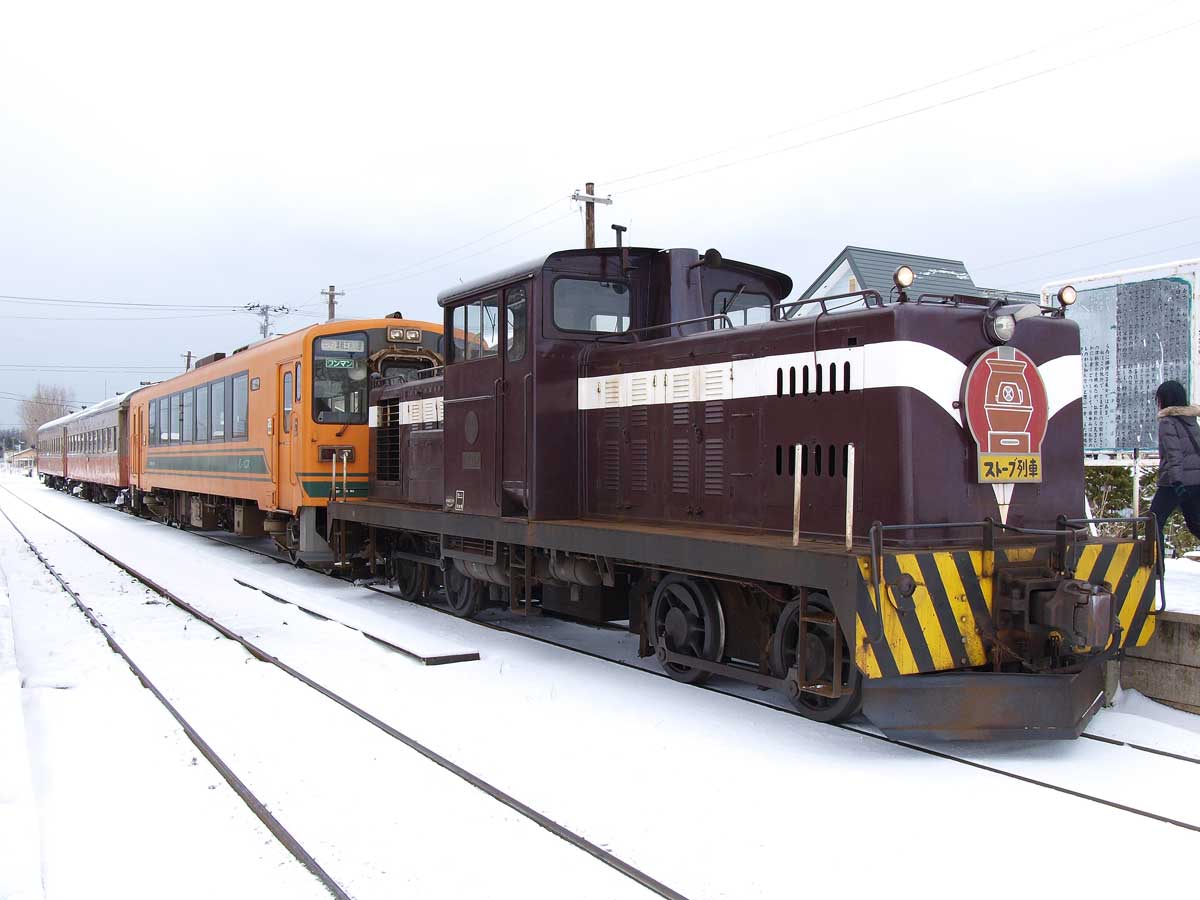
**Festival vs. Museum:** If you can't visit during the festival (August 4-8), the Tachineputa Museum is an excellent year-round alternative. The museum displays 3-4 full-size floats in a 5-story atrium — you can walk around them at each level, seeing details invisible from street level during the festival. Budget 1 hour for museum visit. The top floor offers a bird's-eye view looking down on the float tops. Museum has English signage and videos showing festival highlights. **Festival strategy:** The parade runs five nights (August 4-8). Crowds are smaller than Aomori Nebuta, making it easier to secure good viewing spots. Arrive 60+ minutes before parade start (19:00) for sidewalk positions near Goshogawara Station. The floats move slowly — you can follow alongside for several blocks. Bring water and prepare for crowds, but it's less intense than Aomori. **Photography:** Shooting 23-meter floats requires ultra-wide lenses (10-16mm) to capture the full height. Standard wide lenses (16-35mm) only capture mid-sections. Shoot from street level looking up for dramatic perspectives. The floats are brilliantly lit from within, making exposure tricky — underexpose slightly to avoid blown highlights. Use fast shutter speeds (1/125s+) to freeze motion despite low light. The museum allows tripods — bring one for detailed shots of float sections. **Float themes:** Tachineputa depict historical and mythical scenes — famous samurai battles (Kawanakajima, Battle of Yashima), gods (Fudo Myoo, Kannon), legendary creatures (dragons, phoenix). Each float has a narrative reading from bottom to top — ground level shows earthly scenes, middle shows mortal conflict, top shows divine or celestial realm. The artistry rivals the scale — intricate washi paper painting, sculpted facial expressions, armor details. **Cultural context:** Tachineputa was originally performed in the Meiji era (late 1800s-early 1900s) but ceased in the 1920s due to cost and difficulty navigating increasingly crowded streets (utility wires, buildings). In 1993, a design drawing of a historic float was discovered, inspiring revival efforts. The first modern Tachineputa appeared in 1998, and the festival has grown into a major event, now attracting 800,000+ visitors over five nights. The floats cost ¥30-50 million each to construct. **Museum workshop:** The museum's fourth floor includes construction workshops where artisans build next year's floats. Depending on timing (construction begins in winter), you may see artists painting washi paper panels, sculptors shaping forms, or electricians wiring lights. If artisans are present, they're usually happy to explain their work (Japanese only, but demonstrations are self-evident). This behind-the-scenes access is rare for Japanese festivals. **Goshogawara access:** Goshogawara is 45 minutes by train from Aomori City (JR Gono Line, ¥680). Many visitors day-trip from Aomori, attending Aomori Nebuta earlier dates (Aug 2-3) and Goshogawara Tachineputa later dates (Aug 5-6). Accommodation in Goshogawara is limited — staying in Aomori or Hirosaki is more practical. **Additional attraction:** Combine Tachineputa Museum with Tsugaru Railway Stove Train (冬期only, December-March) — a vintage train with coal stoves, running through snowy countryside. The train departs Goshogawara Station; attendants serve grilled squid cooked on the stove (¥500). Budget 2 hours for round-trip.

Book Your Stay Nearby

Find accommodation close to Tachineputa Matsuri — 23-Meter Tall Float Festival on these trusted booking platforms:

Nearby Spots

The closest hidden gems to Tachineputa Matsuri — 23-Meter Tall Float Festival, by straight-line distance.

Tsugaru Shamisen — Three-Stringed Soul Music
~0.6 km
Aomori· Hirosaki

Tsugaru Shamisen — Three-Stringed Soul Music

Tsugaru Shamisen (津軽三味線) is a percussive, emotionally raw style of shamisen (three-stringed Japanese lute) music origina…
Tsugaru Shamisenmusictraditional+3
Updated Jul 2026
Tsugaru-Iwaki Skyline — Mountain Scenic Drive
~20 km
Aomori· Hirosaki

Tsugaru-Iwaki Skyline — Mountain Scenic Drive

The Tsugaru-Iwaki Skyline (岩木山スカイライン) is a 9.8-kilometer toll road ascending Mt. Iwaki (岩木山, 1,625m), Aomori's most icon…

Mt. IwakiTsugaru-Iwaki Skylinemountain drive+3
Updated Jul 2026
Aomori Apples — Orchards, Picking & Apple Pie
~22 km
Aomori· Aomori City

Aomori Apples — Orchards, Picking & Apple Pie

Aomori Prefecture produces over 50% of Japan's apples, with vast orchards blanketing the countryside around Hirosaki and…

applesAomoriorchards+3
Updated Jul 2026
Hirosaki Castle — Cherry Blossom Paradise
~22 km
Aomori· Hirosaki

Hirosaki Castle — Cherry Blossom Paradise

Hirosaki Castle (弘前城) is one of only twelve original castle towers remaining in Japan, built in 1611 by the Tsugaru clan…

Hirosakicastlecherry blossoms+3
Updated Jul 2026
Sannai-Maruyama Site — 5,000-Year-Old Jomon Village
~23 km
Aomori· Aomori City

Sannai-Maruyama Site — 5,000-Year-Old Jomon Village

Sannai-Maruyama (三内丸山遺跡) is Japan's largest and most significant Jomon-period archaeological site, preserving a settleme…

Sannai-MaruyamaJomonarchaeology+3
Updated Jul 2026
Nebuta Matsuri — Giant Illuminated Float Festival
Premium
~25 km
Premium content
Aomori· Aomori City

Nebuta Matsuri — Giant Illuminated Float Festival

Aomori Nebuta Matsuri runs August 2–7 every year, parading massive paper floats through downtown streets after dark. Eac…

Nebutafestivalsummer+3
Updated Jul 2026

More in Aomori