
Shirakami-Sanchi
Researched and written by Hinato
Aomori
40.4896°N, 140.1476°E
Getting the most out of Shirakami-Sanchi is less about the destination than about timing the light right.
Shirakami-Sanchi (白神山地) is a 1,300-square-kilometer mountain range straddling Aomori and Akita prefectures, home to the largest remaining virgin beech forest in East Asia. Designated a UNESCO World Heritage Site in 1993, the forest has remained largely untouched by human activity for over 8,000 years, preserving an ecosystem that once covered much of northern Japan. The beech trees (Fagus crenata) grow densely, creating a cathedral-like canopy that filters sunlight into soft green light.
The forest is habitat for Asiatic black bears, serow (Japanese mountain goats), golden eagles, and over 500 plant species. The primeval nature is palpable — moss-covered trunks, rotting logs fostering new growth, and near-total silence except for birdsong and wind through leaves. The most accessible trail is the Anmon Falls Trail (暗門の滝), a 3-hour round-trip hike to three waterfalls deep in the beech forest, crossing suspension bridges over clear mountain streams.
Access is strictly controlled to protect the ecosystem. The core zone (1,697 hectares) is off-limits except for authorized researchers. The buffer zone allows limited hiking on designated trails. The forest's remoteness and preservation make it a pilgrimage for nature lovers seeking Japan's last wilderness.
What to know before you go
Access hours
Trail open April–November (closes December–March due to snow)
Closed: Closed December–March (heavy snow); trail may close after heavy rain
When to go
Late October (golden beech foliage) | May–June (fresh green leaves and wildflowers)
Fee
Free | Guided nature walk: ¥2,000–3,000
Time to allow
3-4 hours (Anmon Falls Trail, 6km round-trip)
Making the trip
Access notes
What to bring
Nearby Spots
The closest hidden gems to Shirakami-Sanchi, by straight-line distance.
 掬茶 / CC BY-SA 4.0
Juniko Aoike
Little knownJuniko is a scatter of thirty-three lakes and ponds in beech forest at the western edge of the Shirakami mountains, form…
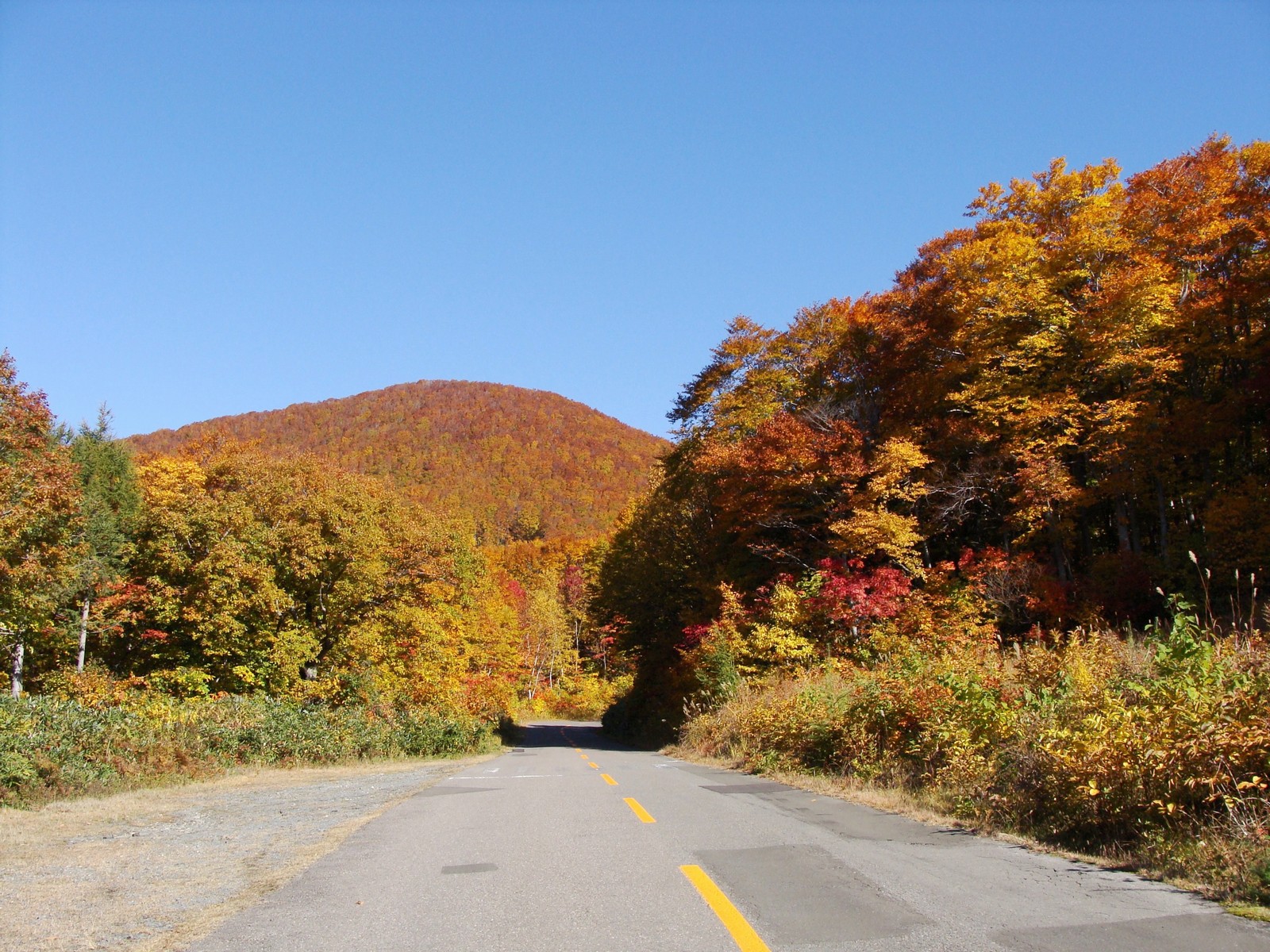 あおもりくま(aomorikuma) / CC BY-SA 3.0
Tsugaru-Iwaki Skyline
Little knownThe Tsugaru-Iwaki Skyline (岩木山スカイライン) is a 9.8-kilometer toll road ascending Mt. Iwaki (岩木山, 1,625m), Aomori's most icon…
 Illustration — not a photograph
Furofushi Onsen
Little knownThe outdoor bath at Furofushi is built on the rocks at Ogonzaki, on the western edge of Aomori, close enough to the Sea…
 掬茶 / CC BY-SA 4.0
Fujita Memorial Garden
Little knownFujita Kenichi was born in Hirosaki, went to Tokyo, became the first chairman of the Japan Chamber of Commerce and Indus…
 岩浪陸 / CC BY 3.0
Aomori Apples
Little knownAomori Prefecture produces over 50% of Japan's apples, with vast orchards blanketing the countryside around Hirosaki and…
 くろふね / CC BY 3.0
Hirosaki Castle
FamousHirosaki Castle (弘前城) is one of only twelve original castle towers remaining in Japan, built in 1611 by the Tsugaru clan…
More in Aomori
Stairway National Route 339
Little knownNational Route 339 runs up the Tsugaru peninsula to Cape Tappi, and for 388 metres of its length it is a flight of 362 c…
 Amiden / CC BY-SA 3.0
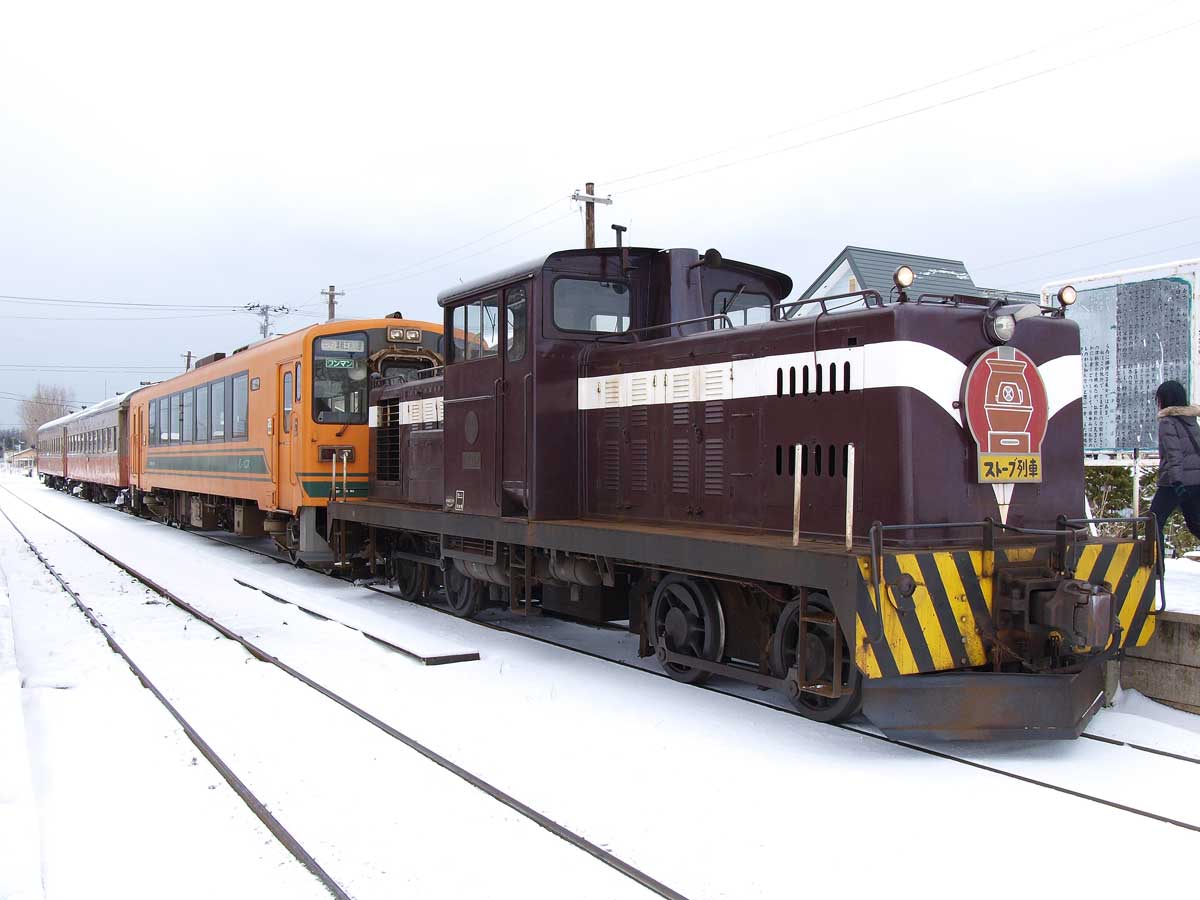
Tsugaru Railway Stove Train
Little knownThe Tsugaru Railway runs twenty kilometres north from Goshogawara across the flat snow country of the Tsugaru plain, and…
 Glenn Waters / CC BY 2.0
Inakadate Rice Paddy Art
Little knownIn 1993 the village of Inakadate, looking for something to do about a declining population, planted a small design in a…