
Seto Ceramics
Researched and written by Hinato
Aichi · Seto
35.2242°N, 137.0842°E
Seto Ceramics has outlasted the version of Aichi it was originally built for, and it shows.
Seto (瀬戸) has produced ceramics for over 1,000 years, and the Japanese word for ceramics (setomono, 瀬戸物, literally 'Seto things') derives from this city's dominance in pottery production. The town sits atop vast kaolin clay deposits that produce high-quality porcelain, and Seto's kilns have supplied Japan with tea ceremony utensils, tableware, tiles, and industrial ceramics for centuries. The hillside neighborhoods still operate dozens of active kilns, and ceramic workshops line the streets.
The Seto Ceramic & Glass Art Center (瀬戸蔵ミュージアム) displays the city's ceramic history from ancient Sue-ware (5th century) to modern art ceramics. The museum includes a recreated 1970s shopping street showing how ceramics permeated daily life — every shop sells Seto pottery. Visitors can tour the Akaretsu-kan (Brick Building), a preserved 1929 factory that produced ceramic electrical insulators, and participate in pottery-making workshops (wheel-throwing or hand-building, ¥1,500–3,000).
Visiting essentials
How long to allow
2–3 hours
Best season
Year-round | Mid-September (Seto Pottery Festival, Japan's largest ceramics market)
Hours
Pottery workshops daily (reservation recommended)
Closed: Ceramic & Glass Art Center: closed January 1
Admission
¥520 (Ceramic & Glass Art Center) | Pottery workshops ¥1,500–3,000
Access route
Access notes
Beyond the guidebook
Nearby Spots
The closest hidden gems to Seto Ceramics, by straight-line distance.
Ghibli Park
Well knownGhibli Park (ジブリパーク) brings Studio Ghibli's animated worlds to life across five distinct areas within Nagakute's Expo 20…
 Illustration — not a photograph
Toyota Automobile Museum
Little knownThe Toyota Automobile Museum (トヨタ博物館) in Toyota City houses 140 vehicles spanning automotive history from the 1890s to m…
 Yuya Tamai from Gifu, Japan / CC BY 2.0
Mosaic Tile Museum Tajimi
Little knownKasahara in Tajimi makes more mosaic tile than anywhere else in Japan, and in 2016 the town gave itself a museum for it.…
 松乃翠 / CC BY-SA 4.0
Tokugawa Art Museum
Locally knownThe Tokugawa Art Museum (徳川美術館) houses the private collection of the Owari Tokugawa family — one of the three main branc…
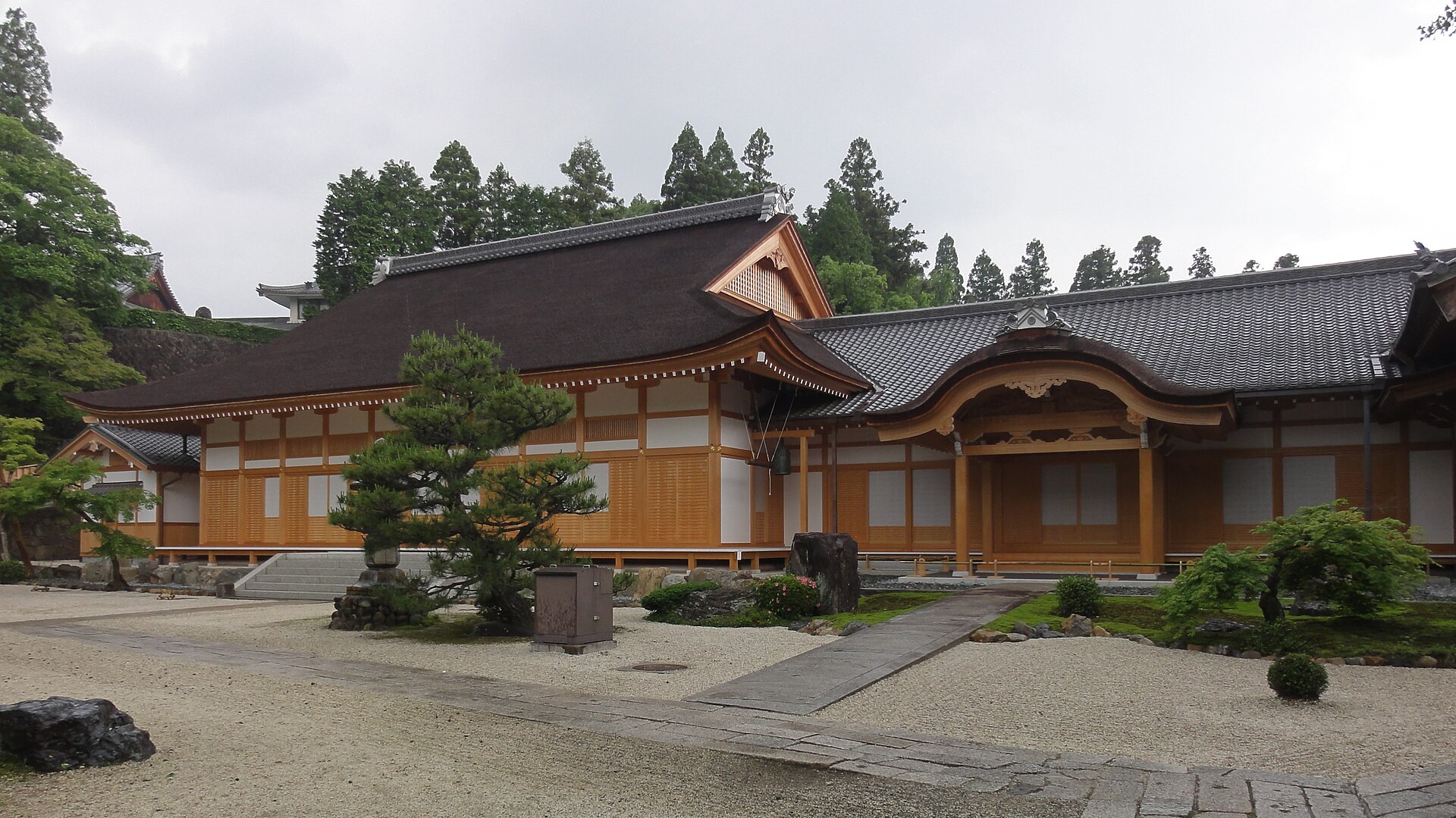 アラツク / CC BY-SA 4.0
Eihoji
Locally knownEihoji was founded in 1313 by Muso Soseki, the monk who designed the gardens at Tenryuji and Saihoji in Kyoto, and it ho…
 z tanuki / CC BY 3.0
Sakae District
Locally knownSakae (栄, 'prosperity') is Nagoya's downtown entertainment and shopping district, centered on the iconic Nagoya TV Tower…
More in Aichi
 そらみみ / CC BY-SA 4.0
Nagoya City Science Museum
Locally knownNagoya City Science Museum (名古屋市科学館) houses the world's largest planetarium dome — a 35-meter diameter sphere that domin…
 bryan... from Taipei, Taiwan / CC BY-SA 2.0
Tebasaki Wings
Locally knownTebasaki (手羽先, chicken wings) is Nagoya's definitive drinking snack — deep-fried wings coated in sweet-spicy sauce and s…
 663highland / CC BY-SA 4.0
Noritake Garden
Locally knownNoritake Garden (ノリタケの森, Noritake-no-Mori, 'Noritake Forest') occupies the original factory site where Noritake china an…