
Oya History Museum
Researched and written by Hinato

Photo: Hiroshi Nakai / Wikimedia Commons (CC BY 2.0) · original
A quick walk through Oya History Museum tells you less than a slow one — the details are where the history actually lives.
The Oya History Museum is built into a former underground stone quarry where Oya Stone — a light, porous volcanic tuff unique to this region — was mined from 1919 to 1986. The quarry excavated 30 meters underground, creating vast cathedral-like chambers with 20-meter-high ceilings, geometric columns, and sheer stone walls. The space is cold (10°C year-round), silent, and surreal — industrial archaeology rendered as unintentional art.
Oya Stone was widely used in Meiji and Taisho-era architecture (including Frank Lloyd Wright's Imperial Hotel in Tokyo) because it is lightweight, easy to carve, and fire-resistant. The quarry operated for 67 years, extracting over 1 million tons of stone using hand tools, then dynamite, then modern machinery. Today, the chambers host art installations, concerts, and film shoots (scenes from 'Rurouni Kenshin' were filmed here). Walking through the quarry is disorienting — the scale, darkness, and silence create an atmosphere closer to a cathedral or tomb than a museum.
The columns left standing throughout the main chamber were not decorative choices but structural necessities, spaced out during decades of excavation to keep the ceiling from collapsing under the weight of the rock above, and their regular, grid-like arrangement is part of why the space so easily reads as architecture rather than as an accidental industrial cavity. Generations of quarrymen worked this rock face by hand for the first several decades of the operation, cutting large rectangular blocks with saws and chisels before machinery took over the heaviest labor in the postwar period, and the tool marks visible on some of the older wall sections are a direct record of that earlier, slower method of extraction.
Above ground, the wider Oya district still shows the stone's influence on everyday buildings — warehouses, garden walls, and shopfronts built from the same light-colored tuff dot the surrounding neighborhood, giving the town a visual continuity that most visitors only notice after they have already spent time underground and start recognizing the material everywhere they look. The constant year-round underground temperature, a byproduct of the quarry's depth and the insulating properties of the surrounding rock, is also what has made the space so adaptable for later uses beyond mining — the same conditions that once required workers to dress for a permanent chill now make the chamber a stable, controlled environment for the art installations, concerts, and film productions that keep the site active decades after the last block of stone was cut here.
What to know before you go
When to go
Year-round indoor attraction; summer visit is a refreshing cool escape from heat | Winter: peaceful with minimal visitors
Opening hours
9:00 AM – 5:00 PM (April–November) | 9:30 AM – 4:30 PM (December–March) | Last entry 30 minutes before closing
Closed: Closed Mondays (or following Tuesday if Monday is holiday)
Time to allow
60 minutes for quarry museum | Combined with Oya Kannon Temple and stone-town walk: 2 hours
Fee
¥800 adults; ¥400 children | Oya Kannon Temple (nearby cliff-carved temple): free | Note: underground is 10°C year-round — bring a jacket
Finding your way there
Directions
Beyond the guidebook
Book Your Stay Nearby
Find accommodation close to Oya History Museum on these trusted booking platforms:
Nearby Spots
The closest hidden gems to Oya History Museum, by straight-line distance.
 tak1701d / CC BY-SA 3.0
Oya-ji Temple
Little knownOya stone is the soft volcanic tuff that Utsunomiya is built out of, and Oya-ji is where it was first carved. The temple…
 Illustration — not a photograph
Utsunomiya Gyoza
Little knownUtsunomiya is Japan's self-proclaimed gyoza capital, with over 200 gyoza specialty restaurants and the highest per-capit…
Wakayama Farm Bamboo Grove
Little knownEverybody photographs the bamboo at Arashiyama in Kyoto, shoulder to shoulder on a path a few metres wide. The largest b…
Tochigi Kurazukuri
Little knownTochigi City was a prosperous merchant town during the Edo and Meiji periods, serving as a distribution hub for goods tr…
 Miyuki Meinaka / CC BY-SA 4.0
Iwashita New Ginger Museum
Little knownIwashita Shokuhin makes shin-shoga, a pale pink pickled young ginger sold in a distinctive jar across Japan, and in 2015…
SL Moka
Little knownThe Moka Railway is a 42-kilometre single-track line running east from Shimodate through rice country to Motegi, and at…
More in Tochigi
Shinkyo Bridge
Locally knownShinkyo is a vermilion-lacquered wooden bridge that arcs over the Daiya River at the entrance to Nikko's shrine district…
 Joli Rumi / CC BY-SA 4.0
Lake Chuzenji & Kegon Falls
FamousLake Chuzenji sits at 1,269 meters in a volcanic caldera formed 20,000 years ago when Mount Nantai erupted and lava damm…
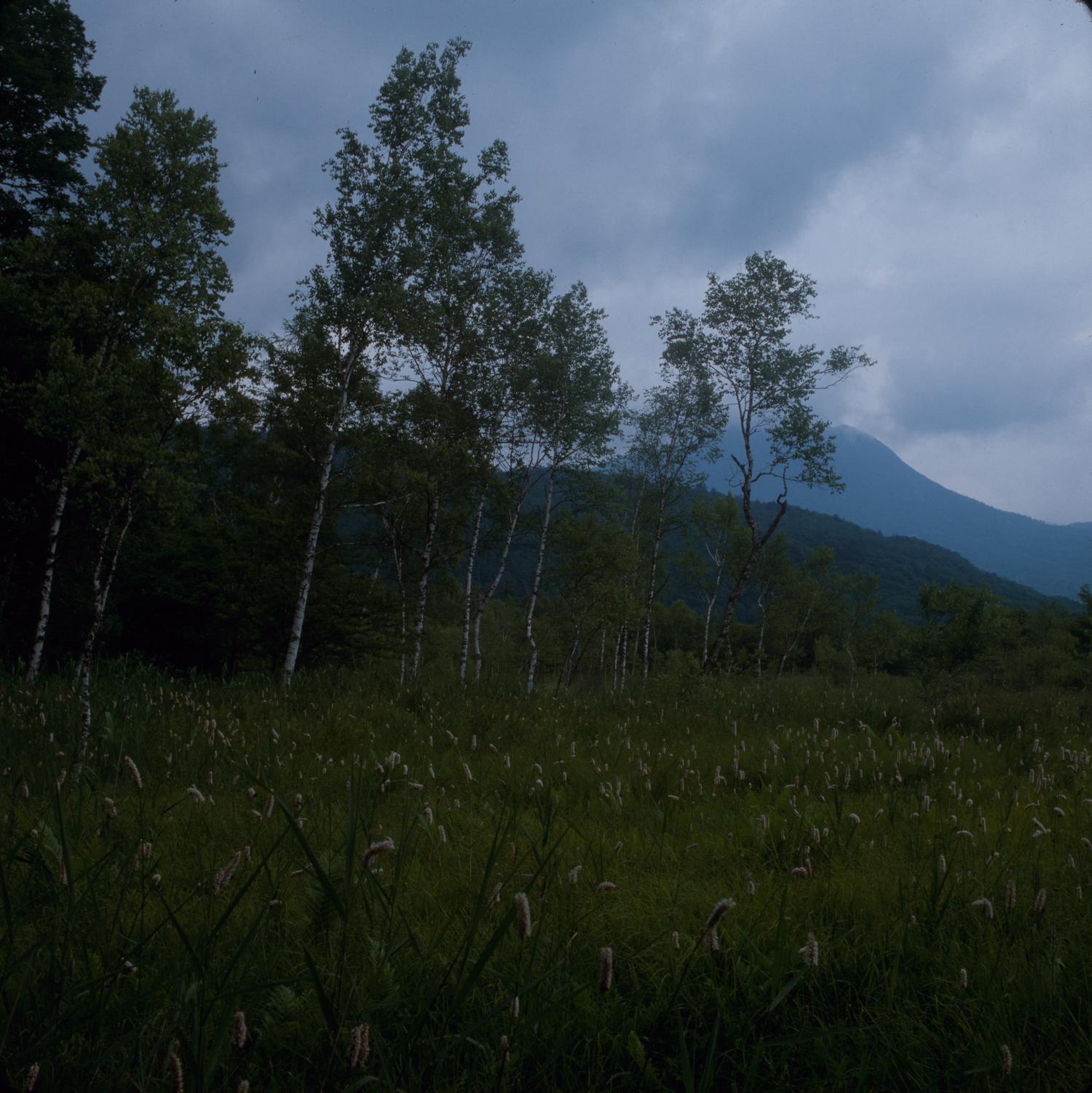 Carlquist, Sherwin John, 1930-2021 / CC BY 4.0
Senjogahara Marshland
Locally knownSenjogahara is a 400-hectare highland wetland at 1,400 meters elevation, formed when volcanic lava flows blocked drainag…