
Onomichi Ramen
Researched and written by Hinato

Photo: ノボホショコロトソ / Wikimedia Commons (CC BY 4.0) · original
Regional food in Hiroshima says as much about the place as its temples or its scenery, and Onomichi Ramen is where that shows.
Onomichi ramen (尾道ラーメン) is a distinctive local ramen style characterized by soy sauce-based broth (shoyu), flat noodles, floating pork back fat (背脂, seabura), and simple toppings — typically chashu pork, menma bamboo shoots, and green onions. The broth combines chicken stock and small dried fish (niboshi,煮干し) or anchovies, creating a clear, light-brown soup with umami depth and subtle seafood undertones. The defining feature is the layer of pork back fat floating on the surface — small white chunks that melt slowly, adding richness and insulating the broth to keep it hot.
Onomichi ramen's origins trace to the 1940s–1950s when port workers needed hearty, affordable meals, and ramen stalls used inexpensive fish-based broths enhanced with pork fat for calories and warmth. Modern Onomichi ramen retains this working-class simplicity — no excessive toppings, no complex flavor layering, just a balanced, comforting bowl emphasizing soy sauce and pork umami with a hint of the sea. The flat noodles (similar to udon width but thinner) have a firm, chewy texture that pairs with the light broth without overwhelming it. Onomichi's ramen culture centers on small, family-run shops — often just 8–10 counter seats — where multi-generational owners prepare bowls using decades-old recipes, creating an authentic, unpretentious dining experience.
The style's reliance on small dried fish for the broth base, rather than the pork bones that dominate ramen further south in Kyushu, reflects Onomichi's identity as a fishing and shipping port rather than an inland or industrial city — niboshi were simply what was cheap and abundant on the docks, and cooks built a broth around what was already close at hand rather than importing a technique from elsewhere. That practical origin is part of why Onomichi ramen has stayed comparatively unchanged even as ramen styles elsewhere in Japan have grown more elaborate, with shops competing on ever-richer tonkotsu broths or elaborate toppings; the back-fat garnish adds richness cheaply without requiring the hours of bone-boiling more famous styles demand. Because most shops are genuinely small, family businesses rather than chains, recipes tend to vary in small, specific ways from one counter to the next — slightly different fish ratios, slightly different fat rendering — and longtime residents often have a strong, quietly held opinion about which shop gets the balance right.
Plan your visit
Hours
11:00 AM – 6:30 PM (Tsutafuji/朱華園) | 11:00 AM – 8:00 PM (Kukai) | 11:00 AM – 7:00 PM (Azuma) | Lunch peak: 12:00–1:30 PM (expect queues)
Closed: Tsutafuji: Closed Thursdays | Most shops close one weekday (varies by restaurant)
Time to allow
30-45 minutes (ramen meal)
What it costs
¥650–800 per bowl
Best season
Year-round
Finding the spot
Access notes
Beyond the guidebook
Book Your Stay Nearby
Find accommodation close to Onomichi Ramen on these trusted booking platforms:
Nearby Spots
The closest hidden gems to Onomichi Ramen, by straight-line distance.
 nhayashida / CC BY 2.0
Shimanami Kaido (Onomichi side)
Little knownThe Shimanami Kaido (しまなみ海道), completed in 1999, runs 70 kilometers from Onomichi to Imabari, linking six islands with e…
 shikabane taro / CC BY 3.0
Onomichi Temple Walk
Well knownOnomichi (尾道) is a hillside port city where 25 historic Buddhist temples cascade down the slopes overlooking the Seto In…
 そらみみ / CC BY-SA 4.0
Innoshima Suigunjo
Little knownThe Murakami were not pirates in the sense the English word implies. They controlled the passages of the central Inland…
 Naokijp / CC BY-SA 4.0
Myoo-in
Locally knownMyoo-in has two National Treasures on one small hillside: a main hall rebuilt at the end of the Kamakura period and a fi…
 Fabimaru / CC BY-SA 4.0
Kosanji Temple
Little knownKosanji was built by an industrialist who took Buddhist orders after his mother's death and spent thirty years and a for…
 AMANO Jun-ichi / CC BY 3.0
Tomonoura Port
Little knownTomonoura (鞆の浦) is a historic fishing port on Hiroshima's southeastern coast, renowned as the inspiration for Hayao Miya…
More in Hiroshima
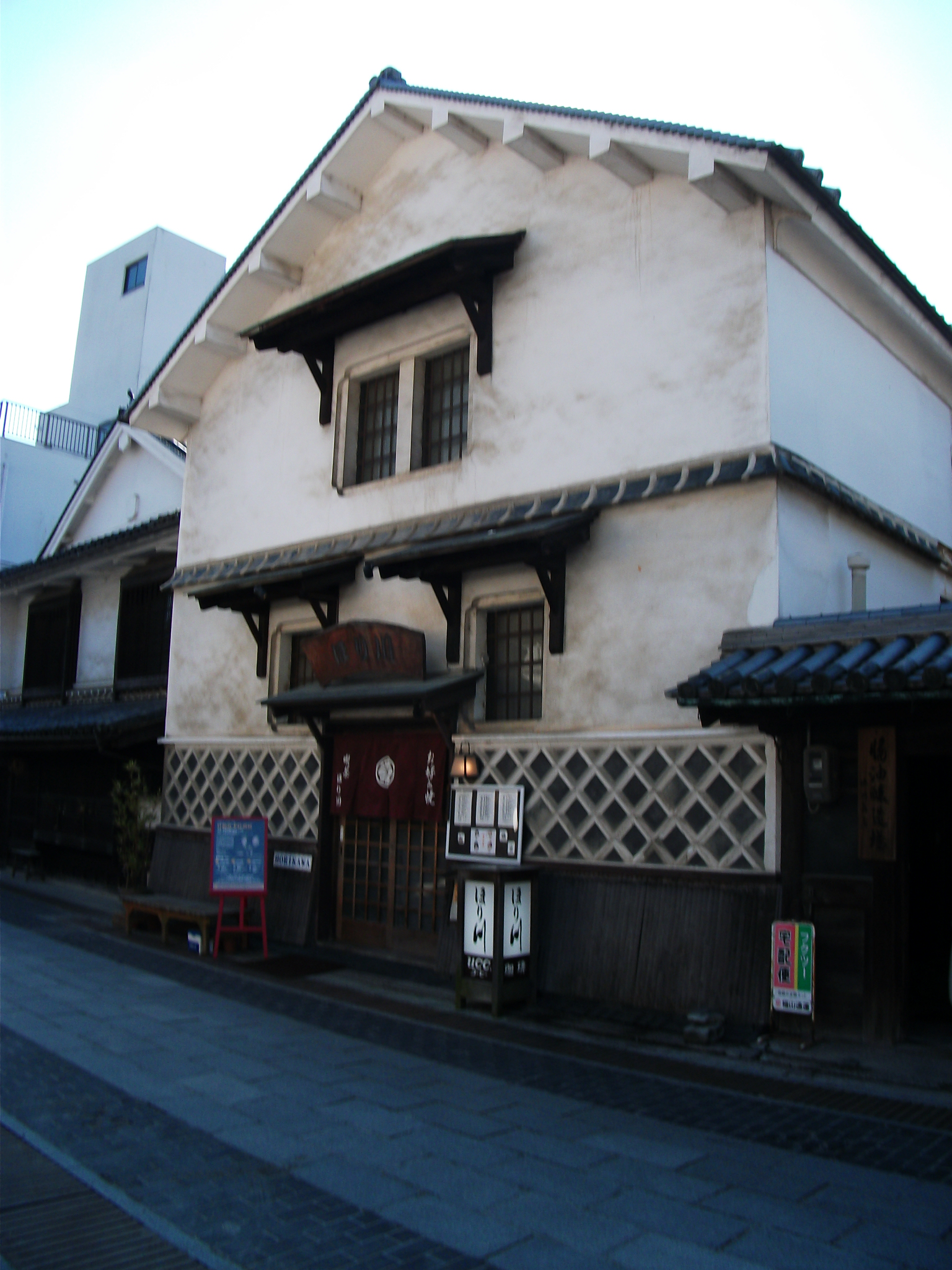 妖精書士 / CC BY-SA 3.0
Takehara Preservation District
Locally knownTakehara made its money from salt and sake. The Seto Inland Sea coast here was laid out as evaporation flats in the seve…
Okunoshima
Little knownOkunoshima is a 4.3-kilometre island in the Seto Inland Sea with around seven hundred wild rabbits on it and a very dark…
 Kzaral / CC BY 2.0
Mitarai
Locally knownBefore engines, ships waited for the tide. Mitarai sits on Osakishimojima where the currents are gentler than on the sur…